

Understand the interest
Use the actual ownership documents as the starting point.
Olympic Valley · CA · Estate Planning
A resort condo can connect several households, travel schedules, and financial plans. Create California estate instructions that address the property you own and the decisions your family will inherit.
California legal services · Office in Truckee, California
Part-time ownership makes it easy to treat a mountain property as something separate from the rest of your finances. It still needs an owner who can act, someone who can manage it during incapacity, and a clear transfer plan at death. The Andrews Law Firm can review the California side while you coordinate any out-of-state needs with appropriate counsel.
California legal guidance tailored to your needs
Use the actual ownership documents as the starting point.
Connect the inheritance to the cost of ownership.
Keep California property advice aligned with other counsel.
A resort purchase may involve an entire unit, a shared ownership arrangement, or another interest defined by documents. Bring the deed and purchase paperwork rather than relying on the description used in a listing. Record who owns the interest, how it is titled, and whether a trust or entity is already involved. Those details determine which estate instructions can affect it. An agreement about family use is useful, but it does not automatically change ownership or establish authority to sign documents for another owner.

HOA documents can matter to someone who later manages or receives the condo. Identify dues, assessments, insurance responsibilities, and any provisions affecting transfers or use. Do not assume a beneficiary can simply continue every arrangement you made. Ask which obligations need review alongside a change in title. An estate plan does not override the association’s governing documents, nor does a property manager become your successor trustee by handling reservations. Keep these relationships clear so relatives know which decisions belong to which person.
If your primary home is outside California, your chosen agent or trustee may be elsewhere too. Consider availability, access to records, and the ability to communicate with the association and advisers. A durable power of attorney, advance health care directive, revocable living trust, and pour-over will serve different functions. Discuss where each fits rather than asking one document to do everything. Any documents for another state should be coordinated with counsel authorized there. The goal is consistent authority across the relevant arrangements, not duplicate instructions that conflict.
Decide whether the interest should be sold, retained, or considered with other assets in dividing your estate. If several people will share it, discuss expenses, scheduling, decision rules, and a way to leave the arrangement. A beneficiary may love visiting without wanting responsibility for assessments or maintenance. Explain that difference now. Trust funding and beneficiary arrangements then need to support the chosen result. Review the plan after a purchase, refinancing, ownership change, or family event rather than assuming the original signing covers every later transaction.
A relative may want continued holiday access without wanting to own a share or pay assessments. Another may want ownership but expect a sale soon afterward. Discuss those different goals before selecting the recipients or promising that the condo will always remain available. Ask how the plan would respond if a beneficiary declines, moves away, or cannot fund expenses. Bring any association or co-ownership documents that affect the available choices. The resulting instructions should describe a supported arrangement, with appropriate authority and follow-through, rather than rely on everyone maintaining the same preferences. That distinction helps the estate plan reflect the family’s real decisions instead of treating affection for the resort as consent to all future obligations.
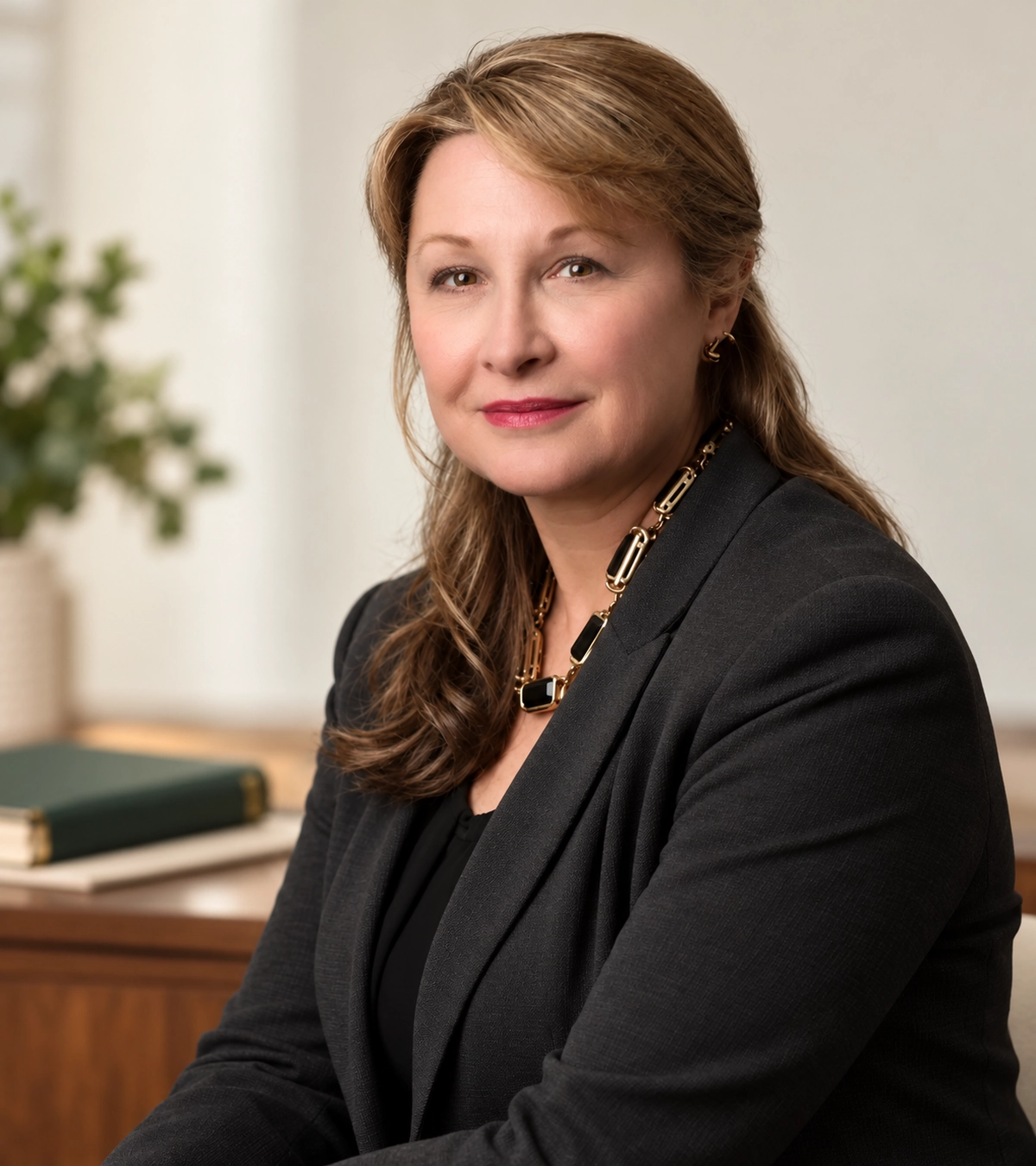 California estate planning counsel
Meet your attorney · The Andrews Law Firm, P.C.
The right plan should still make sense when your family is back at its primary home.
Elaine Andrews reviews California estate-planning matters from the Truckee office. Explain the type of resort interest and where you ordinarily live.
Ask which ownership and document questions should be resolved first.
Talk with ElainePrepare the decisions that need attention
Placer County property records and association documents describe different parts of the same purchase; review both.
Gather the deed, HOA materials, existing estate documents, and a summary of who uses and pays for the condo.
Include any transfer, rental, or management agreements you signed.
Discuss your estate planCall (530) 550-8736 to talk about your California legal needs.
Planning documents
Instructions for assets properly held by the trustee.
Addresses omitted assets; probate may still be required.
Authority for financial matters within its scope.
Medical wishes and a chosen health care decision maker.
California rules that apply in Placer County
The relevant county is Placer County. Confirm the procedure that fits the documents and assets.
Read the full estate planning guideIdentify the property and applicable venue.
Later amendments and ownership changes may matter.
Use the actual ownership documents as the starting point.
This testimonial or endorsement does not constitute a guarantee, warranty, or prediction regarding the outcome of your legal matter.
Frequently asked questions
Our Truckee office
10270 Donner Pass Road
Truckee, CA 96161
Contact the Truckee office about consultation arrangements and whether the firm can assist with your matter.
Request a consultationBring your questions, your documents and the decisions you want help with. The first consultation is free.
This page provides general information, not legal advice. Contacting us does not create an attorney-client relationship.


