

Personal estate planning counsel in Northern California
A quiet conference room prepared for a consultation

Free initial consultation · Truckee, California

A free first meeting with a Certified Specialist.

Talk through your family, your property and your documents with Elaine Andrews before you decide anything. The first consultation is free, and you leave knowing what comes next.

With
Elaine AndrewsCertified Specialist, Estate Planning, Trust & Probate Law
Where
10270 Donner Pass RoadTruckee, CA 96161
Office hours
Monday–Friday9 AM–6 PM
Cost
FreeInitial consultation

What the consultation is for

The free initial consultation is a working conversation, not a sales call. Elaine Andrews listens to what prompted you to get in touch, reads the documents you bring, explains how California law applies to your facts — living trusts, probate, community property, Proposition 19, incapacity planning — and outlines the realistic options. You decide afterward whether to move forward. Information a prospective client shares while consulting a lawyer about possible representation is protected under California Rule of Professional Conduct 1.18, even if no engagement follows.

The meeting

Four stops, one conversation.

  1. Your situation

    What prompted the call: a new plan, an outdated trust, a death in the family, a parent who needs help, a letter from a court or a bank. Who is involved and what you want to happen.

  2. Your documents

    Existing wills, trusts, deeds, beneficiary forms, powers of attorney and any court papers. Elaine reads what you bring and points out gaps — for example, a trust that was signed but never funded.

  3. Your options

    How California law applies to your facts and the paths that fit: a living trust or a will-based plan, trust administration or probate, a small-estate procedure, a conservatorship or a less restrictive alternative.

  4. Your next step

    If you want to proceed, the scope of the work and the fees are explained in writing before work begins. California generally requires a written fee agreement when fees and costs will exceed $1,000 (Business and Professions Code §6148).

What to bring

Bring what you have. Here is what helps most.

Creating your first estate plan

You do not need exact numbers. A rough picture of what you own and who matters to you is enough for a useful first meeting.

  • A rough list of what you own: your home and any other real estate, bank and brokerage accounts, retirement accounts, life insurance and business interests
  • How each asset is titled — your name alone, joint tenancy, community property or a trust — if you know it
  • Deeds for California property and for any property in Nevada or another state
  • The people you are considering as successor trustee, executor, agents under powers of attorney and guardians for minor children
  • Beneficiary designation pages for retirement accounts and life insurance
  • Your questions about children, a blended family, a family cabin, taxes or care for a relative

Reviewing or updating an existing plan

Plans drift as life changes. The review starts with what you already signed and what has changed since.

  • Your current trust, will, powers of attorney and advance health care directive, with every amendment
  • A list of what has changed: a marriage, divorce, birth or death, a move to California, a property purchase or sale, a new business
  • Recent statements showing how your accounts are titled today
  • Deeds showing whether your real estate is held in the trust’s name
  • Names of any trustee, executor or agent who can no longer serve

Serving as successor trustee

A successor trustee takes on legal duties to the beneficiaries. California sets deadlines that start when the trust becomes irrevocable.

  • The trust, every amendment and the pour-over will
  • The death certificate
  • A list of trust assets with recent statements, and deeds for real estate
  • Any assets that may have been left outside the trust
  • Names and addresses of beneficiaries and heirs — the trustee must notify them within 60 days (Probate Code §16061.7)
  • Recent tax returns, bills and any letters from creditors

Settling an estate as executor or family member

Whether an estate needs probate depends on what was in the decedent’s name alone and what it was worth.

  • The original will, if there is one, and the death certificate
  • A list of assets in the decedent’s name alone with approximate values — California’s small-estate limit is $208,850 for deaths on or after April 1, 2025
  • Deeds, vehicle titles and account statements
  • Names and addresses of heirs and beneficiaries
  • Creditor notices, court papers or letters from financial institutions

Helping an adult who can no longer manage

A court-supervised conservatorship is the last option, not the first. Existing documents often make it unnecessary.

  • Any durable power of attorney, advance health care directive or trust the person signed — these may make a conservatorship unnecessary
  • A short description of the person’s needs: daily care, medical decisions, finances or all three
  • Names of close relatives, who must receive notice of a conservatorship petition
  • Information from doctors about the person’s capacity, if you have it
  • For a minor: the child’s circumstances and the adults willing to serve as guardian
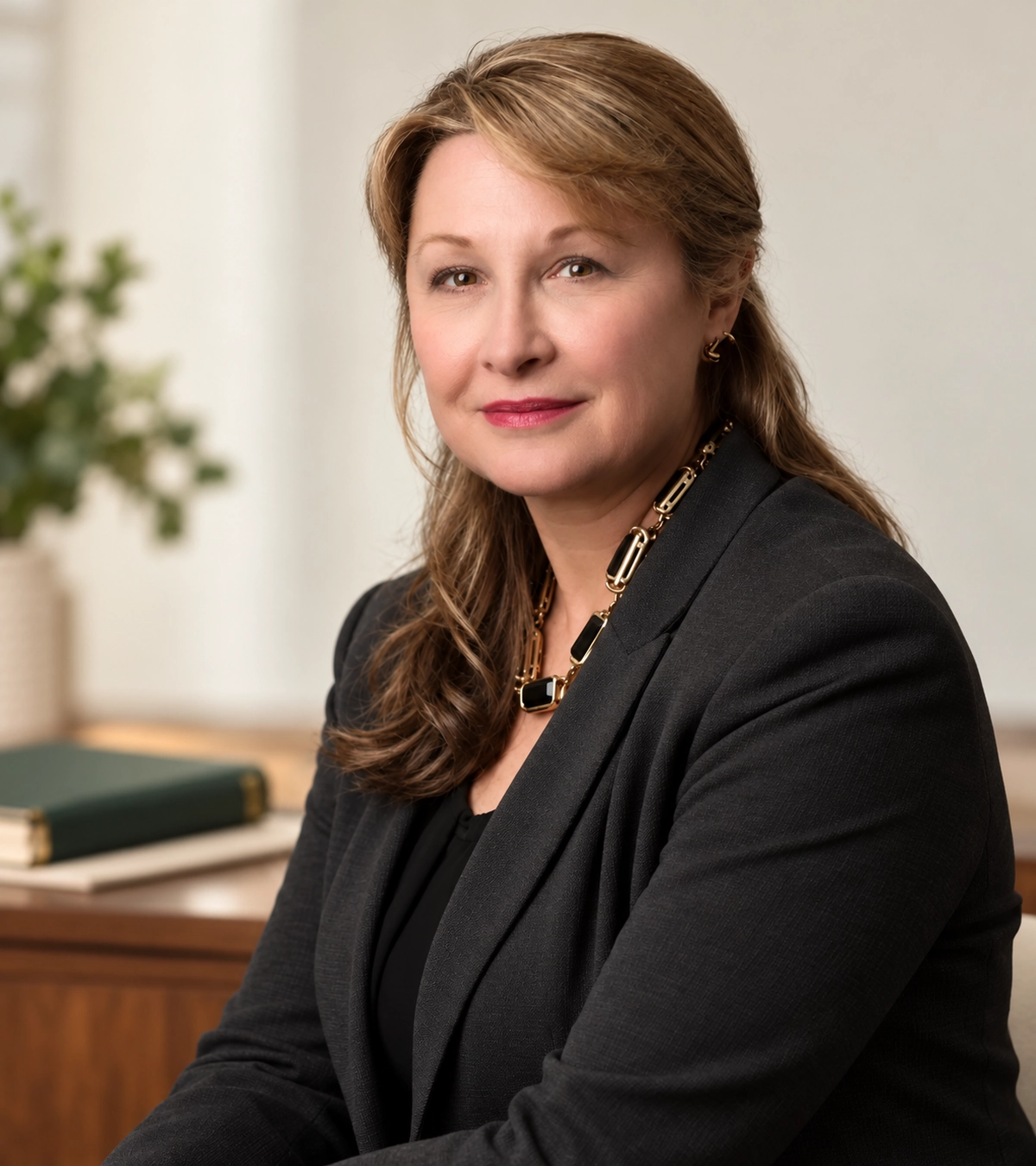
Elaine Andrews, Certified Specialist in Estate Planning, Trust and Probate Law

Who you’ll meet

Elaine Andrews reads your documents herself.

  • Certified Specialist, Estate Planning, Trust and Probate Law — The State Bar of California Board of Legal Specialization
  • Practicing estate planning since 1992
  • California credentialed professional fiduciary
  • Retired Lieutenant Colonel, U.S. Army Reserve JAG Corps
  • J.D., Golden Gate University School of Law · B.A., McGill University
More about Elaine

Request a time

Tell us what’s on your mind.

A few lines are enough. The office replies during business hours to arrange your free initial consultation.

(530) 550-8736

Monday–Friday, 9 AM–6 PM

After the consultation.

If you decide to move forward

You receive a written description of the work, the fees and the documents involved before anything is drafted or filed. For a new plan, the next conversations cover your decisions — trustees, agents, guardians and distributions — and then drafts you review before signing.

If you need time

You can take time to decide. The consultation does not by itself create an attorney–client relationship, and nothing you share obligates you to hire the firm.

If your matter needs other help

If your question falls outside estate planning, trust and probate law — a contested divorce or a criminal matter, for example — you will hear that directly so you can look for the right lawyer.

Frequently asked questions

Questions before your first meeting.

Straight answers to start with. Bring your own documents and circumstances to a free consultation for advice that fits.

All frequently asked questions
Is the consultation really free?

Yes. The initial consultation with The Andrews Law Firm, P.C. is free. If you decide to hire the firm afterward, the scope of the work and the fees are explained in writing before work begins.

Who will I meet with?

Elaine Andrews, the firm’s founding attorney. She is certified by the State Bar of California Board of Legal Specialization as a specialist in Estate Planning, Trust and Probate Law and has practiced estate planning since 1992.

Where does the consultation take place?

At the firm’s office, 10270 Donner Pass Road, Truckee, CA 96161. If travel to Truckee is difficult, ask about meeting arrangements when you schedule.

How do I schedule?

Call (530) 550-8736 during office hours, Monday through Friday from 9 AM to 6 PM, or send the request form on this page. The office replies to arrange a time.

What should I bring?

Whatever you already have: existing estate planning documents, deeds, recent account statements, a death certificate or court papers, depending on your situation. The lists on this page break it down by matter. If you have nothing yet, come anyway — the first meeting can start from a conversation.

Is what I share confidential if I don’t hire the firm?

Yes. California Rule of Professional Conduct 1.18 protects information a prospective client shares while consulting a lawyer about possible representation, and the attorney–client privilege in California Evidence Code §951 covers a person who consults a lawyer for the purpose of retaining the lawyer.

Does the consultation make me a client?

No. An attorney–client relationship begins when you and the firm agree on an engagement, usually in a written agreement that describes the work and the fees.

Can a family member come with me?

Yes, you can bring a spouse, partner or adult child. Because an estate plan has to reflect your own wishes, part of the conversation may take place with you alone.

Can I schedule a consultation about my parent’s estate plan?

You can help arrange it, but your parent is the client and should attend, because the plan must reflect your parent’s wishes. If your parent can no longer make decisions, an existing power of attorney or a conservatorship may be the starting point.

I don’t live in Truckee. Can I still meet with Elaine?

Yes. The firm serves Truckee, Tahoe City, Kings Beach, Homewood, Sierraville and Verdi, and clients across the Tahoe region, the Northern Sierra, the Central Valley and the Bay Area. Ask about meeting arrangements if the drive is difficult.

How long does the consultation take?

Long enough to understand your situation and answer your main questions. If documents need a closer review, Elaine will say so and explain what happens next.

What does an estate plan cost?

Cost depends on the documents, the property involved and the complexity of the family situation. Fees are discussed at the consultation and confirmed in writing before work begins.