

Estate inventory
Include assets beyond the lakefront property.
South Lake Tahoe · CA · Estate Tax Planning
A valuable lakefront home may be only one part of your estate. Review the larger picture before assuming that a living trust or marriage resolves federal estate tax concerns.
California legal services · Office in Truckee, California
Real estate, investments, business interests, and prior gifts can change the planning discussion. California has no current separate estate tax, while federal estate tax may require attention. For a U.S. citizen or U.S.-domiciled decedent dying in 2026, the federal basic exclusion is $15,000,000; prior taxable gifts and other rules affect the available exclusion. Nonresident noncitizens follow different rules. The Andrews Law Firm can review estate documents and transfer goals with the relevant tax advisers.
California legal guidance tailored to your needs
Include assets beyond the lakefront property.
Identify whether a federal return election needs attention.
Weigh flexibility, control, and available cash.
List major assets, how each is held, approximate values, and relevant debts. Identify property connected to other states and any trusts or business interests. A household net-worth estimate is a starting point, not necessarily the taxable estate calculation. Prior taxable gifts and available deductions can affect the federal analysis. Assemble supporting records so advisers can examine the situation rather than decide from the estimated value of the lakefront house alone.

A revocable living trust may help avoid probate for assets properly funded into it. That does not automatically remove those assets from federal estate tax consideration. Other planning tools can involve limits, ongoing requirements, or reduced flexibility. Discuss what you want to retain control over, what beneficiaries need, and which tradeoffs you are willing to accept. The name of a trust should never substitute for an explanation of its tax treatment.
An estate may have a valuable house and limited cash to meet administration expenses or other obligations. Discuss that possibility before choosing a transfer strategy or assuming the heirs can retain every asset. Provide account ownership, debts, proposed gifts, and existing tax records to the relevant advisers. Ask how the family’s priorities would work if a sale, borrowing, or another source of liquidity needed consideration. Do not equate a high appraisal with immediately available funds. The legal plan should fit the resources and applicable rules, including any portability review, rather than leave the successor to discover that a valuable inheritance has no practical operating budget.
Portability can preserve a deceased spouse’s unused federal exclusion when the requirements are met. A timely Form 706 is required even when filed solely to elect portability. The ordinary deadline is nine months after death, with a six-month filing extension available through timely Form 4768. Certain estates not otherwise required to file may qualify for the simplified late-election procedure under Revenue Procedure 2022-32 by the fifth anniversary of death. That relief is not available to every estate. Keep prior estate and gift tax records and obtain advice promptly rather than assume marriage alone preserves the unused amount.
A gift can change control, liquidity, and future tax treatment as well as the size of an estate. Giving away an interest in the home or business deserves review before documents are signed. Consider whether the recipient can manage the asset and whether the remaining estate can meet expenses. In 2026, the annual exclusion is $19,000 per recipient for qualifying present-interest gifts. Larger gifts may require reporting and use available lifetime exclusion without necessarily creating an immediate tax payment. Planning should respond to the family’s objectives rather than assume the largest possible gift is the right answer.
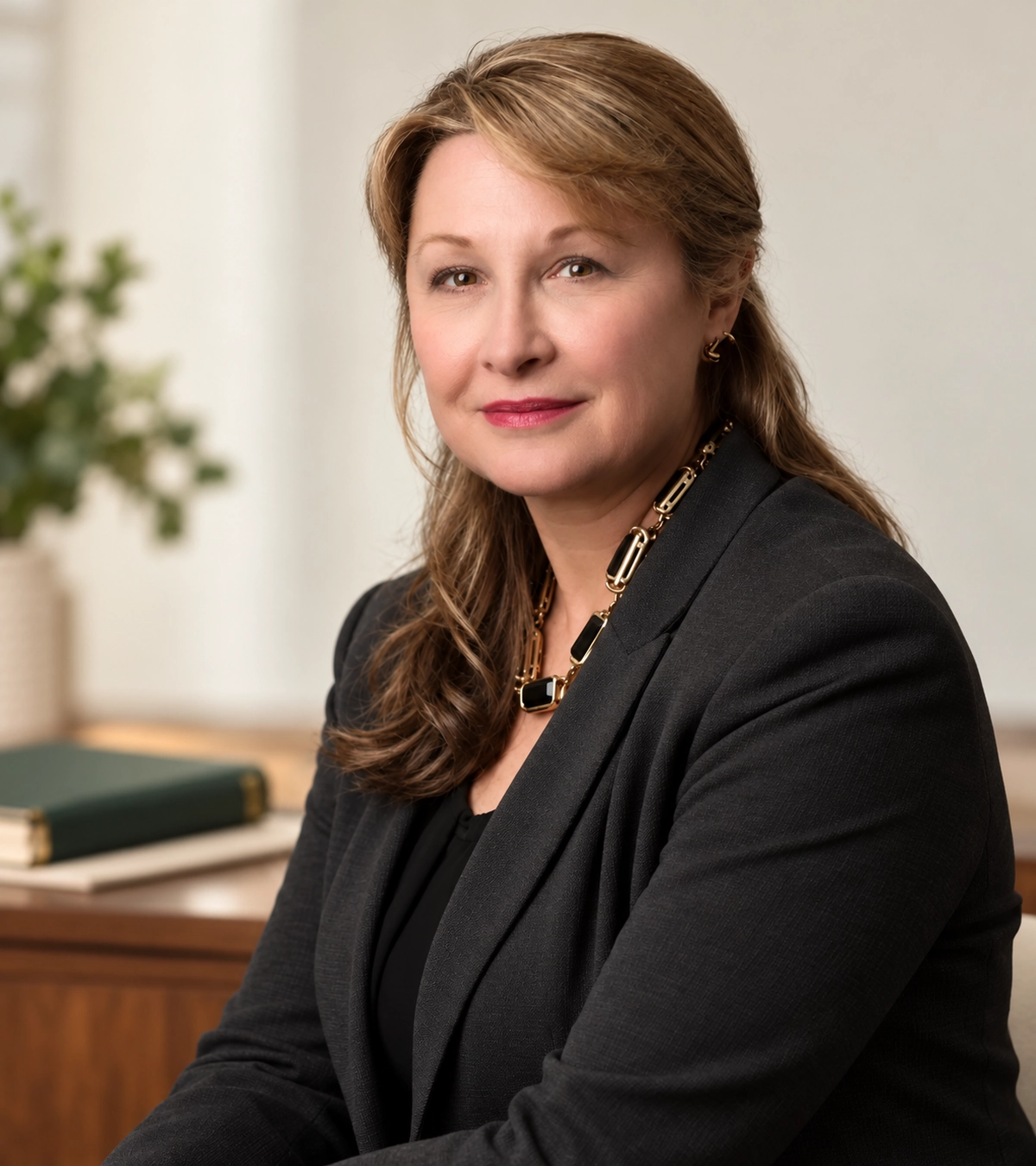 California estate planning counsel
Meet your attorney · The Andrews Law Firm, P.C.
A family legacy includes who receives assets, who manages them, and how the estate can meet its obligations.
Elaine Andrews works with California estate-planning matters from the firm’s Truckee office. Tax advisers should receive the same ownership and gift information.
Ask which documents, valuations, and prior filings are needed before selecting a strategy.
Talk with ElainePrepare the decisions that need attention
High-value lakefront ownership can create an estate that is valuable but short of readily available cash. Include that practical concern in the legal and tax discussion.
Bring trust documents, deeds, asset summaries, gift records, prior estate returns, and the names of your tax advisers.
Tell the firm about a recent death or pending transfer so filing and planning questions can be prioritized.
Request a free consultationCall (530) 550-8736 to talk about your California legal needs.
Estate tax review
No separate estate tax. Other taxes and obligations can still apply.
Bars organize topics only; their length does not represent an exemption, tax rate, or estate value.
California rules that apply in El Dorado County
An exemption figure alone does not establish whether tax will be due.
Read the full estate tax planning guideIdentify information needed for the federal analysis.
Assess filing obligations and timing with advisers.
For qualifying present-interest gifts; larger transfers require a separate reporting and lifetime-exclusion review.
This testimonial or endorsement does not constitute a guarantee, warranty, or prediction regarding the outcome of your legal matter.
Frequently asked questions
Our Truckee office
10270 Donner Pass Road
Truckee, CA 96161
The office is in Truckee. Contact the firm about your California matter and meeting arrangements.
Request a consultationBring your questions, your documents and the decisions you want help with. The first consultation is free.
This page provides general information, not legal advice. Contacting us does not create an attorney-client relationship.


