

Verify the deed
Compare current title with intended trustee ownership.
Reno · NV · Living Trusts
California real estate can remain exposed to an ancillary probate even when you already have a trust binder. Confirm the ownership of the cabin and complete the appropriate California funding work.
California legal services · Office in Truckee, California · Nevada-law issues require counsel authorized in Nevada
A Nevada resident’s trust may be part of an effective plan for California real estate, but the deed and supporting documents still matter. The Andrews Law Firm can review the California property questions in coordination with Nevada counsel. Elaine Andrews is licensed in California only and does not offer Nevada-law representation through this page.
California legal guidance tailored to your needs
Compare current title with intended trustee ownership.
Clarify the California and Nevada legal roles.
Preserve completed recording and funding records.
Locate the newest deed, not simply the purchase copy stored with the original trust. Identify any changes following refinancing, marriage, or transfers among relatives. If the current owner is an individual rather than the intended trustee, discuss the gap before assuming the property will pass through trust administration. A schedule listing the cabin may be useful evidence but should not end the title review. The precise legal description and ownership interest need to be confirmed so funding addresses the real asset rather than a general reference to Tahoe property.
Bring the complete trust and amendments for review alongside the deed. California counsel should understand the instructions relevant to holding and transferring the property, while Nevada-law questions remain with Nevada counsel. Ask who will prepare the appropriate deed, review related requirements, and confirm recording in the California county where the property is located. A draft in a closing file is not the same as a completed transfer. Retain proof of the final action and identify any follow-up with insurers, lenders, or other parties.
Suppose the owner signed a deed at the same time as the trust, but the successor can find no recorded copy. Gather the signed instrument, recorder information, and correspondence before assuming the work is complete or preparing a replacement. There may be a recording, description, ownership, or later-transaction issue to investigate. California counsel should determine what records are needed and which action, if any, is appropriate. The operative trust should be available for coordination with Nevada counsel. Keep the institutional and property funding tasks distinct: confirmation of a bank arrangement does not confirm the cabin deed. Likewise, a recorded deed does not settle every beneficiary designation or compensation-plan question. A useful funding record identifies the asset, recommended step, responsible person, final document, and unresolved follow-up. Your successor then has a way to show actual ownership and locate the relevant adviser without relying on recollections about the signing appointment. This process supports probate planning but does not promise that every later asset or transaction will remain covered automatically. New acquisitions and ownership changes need their own review against the coordinated plan.
A properly funded trust may help avoid a California ancillary probate for the property it holds. It does not make every asset part of the trust, erase debts, or guarantee a particular tax outcome. A pour-over will is a possible backstop but may still require probate for omitted assets. Discuss what happens to the cabin under the trust if the original owner dies or becomes unable to manage it. The successor needs usable authority and records, not just an expectation that a binder will answer every institutional request.
A later refinance, purchase of another share, or sale and replacement property can create a new ownership question. Compare the resulting deed with the coordinated plan after each transaction. Keep California records available to the successor and to both attorneys where appropriate. If the family wants several beneficiaries to share the cabin, review expenses and decision rules separately from funding. The title step establishes ownership; it does not settle how relatives will cooperate. A periodic review should identify both new funding gaps and changed family instructions.
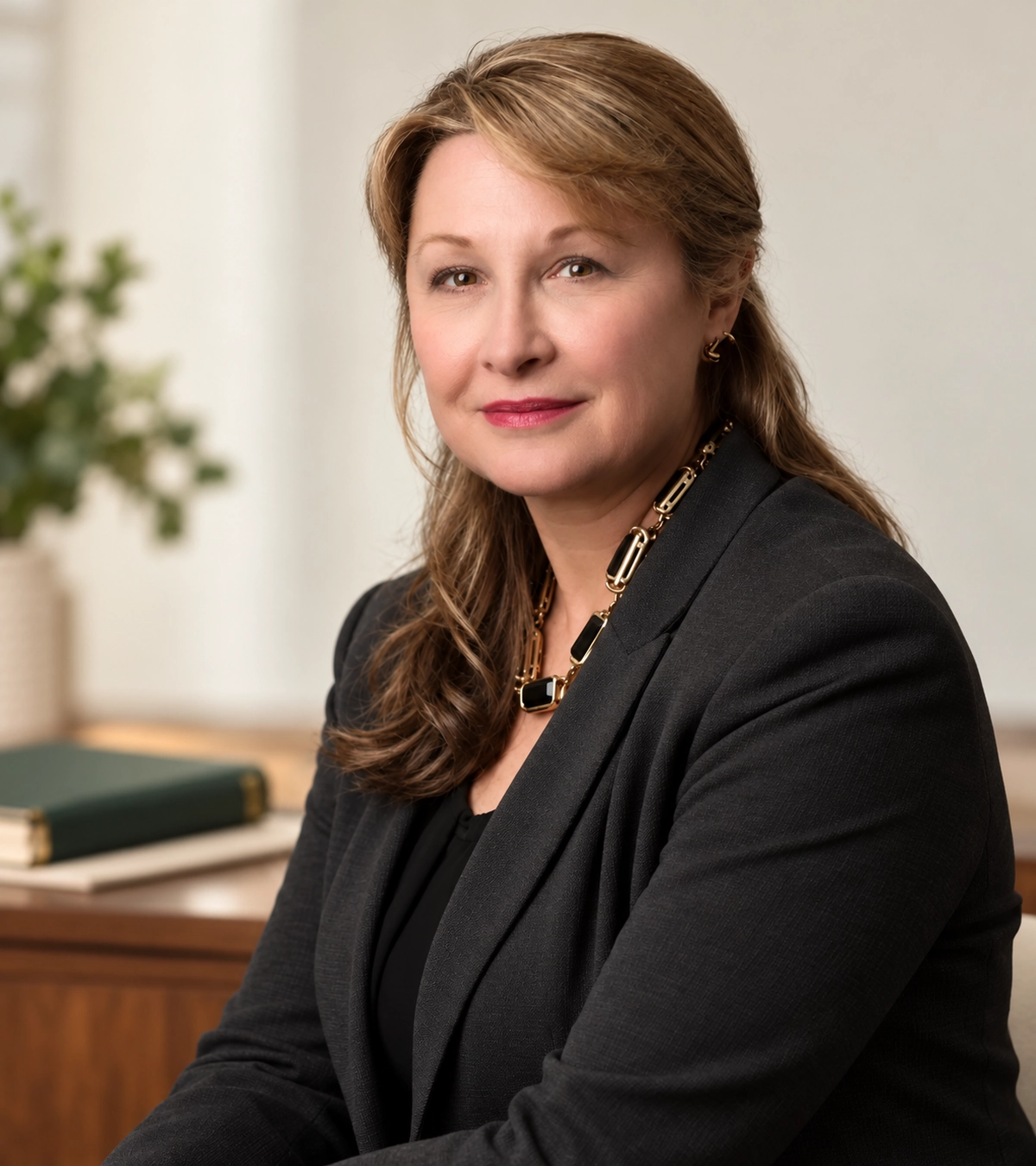 California estate planning counsel
Meet your attorney · The Andrews Law Firm, P.C.
The useful outcome is knowing whether the California property is actually connected to the trust.
Elaine Andrews can discuss California title and funding issues from the Truckee office.
Send the complete trust and identify Nevada counsel involved in the plan.
Talk with ElainePrepare the decisions that need attention
The applicable recorder and title requirements belong to the California county where the real estate sits.
Gather trust versions, deeds, refinance papers, and any outstanding funding checklist.
Ask which completed documents the successor should retain.
California matters only: We do not claim a Nevada office or Nevada-law representation. Consult Nevada-licensed counsel about Nevada legal issues, documents or proceedings.
Review your living trustCall (530) 550-8736 to talk about your California legal needs.
This testimonial or endorsement does not constitute a guarantee, warranty, or prediction regarding the outcome of your legal matter.
Frequently asked questions
Our Truckee office
10270 Donner Pass Road
Truckee, CA 96161
Our office is in Truckee, California. Ask about assistance with the California portion of your matter.
Request a consultationBring your questions, your documents and the decisions you want help with. The first consultation is free.
This page provides general information, not legal advice. Contacting us does not create an attorney-client relationship.


