

Notice review
Distinguish statutory notification from ordinary updates.
Tahoe Vista · CA · Trust Administration
When beneficiaries live far away, uncertainty can grow faster than the paperwork moves. Organize California trustee duties, property records, and clear communication from the beginning.
California legal services · Office in Truckee, California
A successor handling a North Shore home may be the only family member who sees the bills, property condition, and incoming correspondence. That access creates responsibility, not unrestricted discretion. The Andrews Law Firm can help you understand the trust, communicate within your duties, and document the decisions beneficiaries may later ask you to explain.
California legal guidance tailored to your needs
Distinguish statutory notification from ordinary updates.
Preserve the basis for expense and sale decisions.
Track transactions in a form others can understand.
Read the trust and amendments, confirm the successor’s authority, and identify the beneficiaries and other people entitled to information. Obtain current contact details rather than relying on an old family group message. Probate Code §16061.7 may require a formal notification after a qualifying event; its timing and service requirements need separate review. A friendly update does not replace a legally required notice. Keep copies and an organized record so the administration does not depend on remembering who was told what during an emotional week.

A beneficiary elsewhere may know the home from a vacation years earlier. Provide appropriate information about current condition, carrying costs, valuation work, and major decisions within the relevant duties. Retain inspection reports, invoices, and correspondence supporting the trustee’s actions. Avoid exaggerating problems to justify a preferred sale or minimizing costs to satisfy a relative who wants retention. A clear property record helps distinguish facts from competing preferences and gives advisers a better basis for assessing whether proposed repairs, management, or transactions are appropriate.
One beneficiary may ask for a property photograph while another wants an immediate distribution and another requests transaction records. Identify the applicable information duties and organize the responses without assuming every request is identical. A consistent administration record can show what was provided, what still needs review, and why a proposed action remains pending. Keep the response factual rather than defending a personal preference about the home. If a request raises a legal issue or conflict, obtain guidance before taking action. This helps distant beneficiaries follow the process while allowing the trustee to distinguish reliable information from an expectation that every question requires an instant decision.
A stack of statements is not necessarily a clear account of the administration. Track receipts, expenses, asset changes, advances, and distributions in an organized way. Keep trust funds separate from personal money and record why payments were made. Review the accounting requirements applicable to this trust and its beneficiaries. Distance does not eliminate those duties. When a beneficiary asks why cash has not been distributed, the trustee should be able to explain the remaining obligations without promising a payment before the administration supports it.
Consider how substantive updates will be provided and how questions will be handled consistently. Explain which facts are known, which are being checked, and which decisions remain open. If beneficiaries disagree about keeping or selling the home, review the trust’s authority and fiduciary duties before negotiating a solution. Document material discussions and seek guidance when the trustee has a personal interest in the outcome. The goal is an administration that can be followed from the records, even by someone who never visits the property.
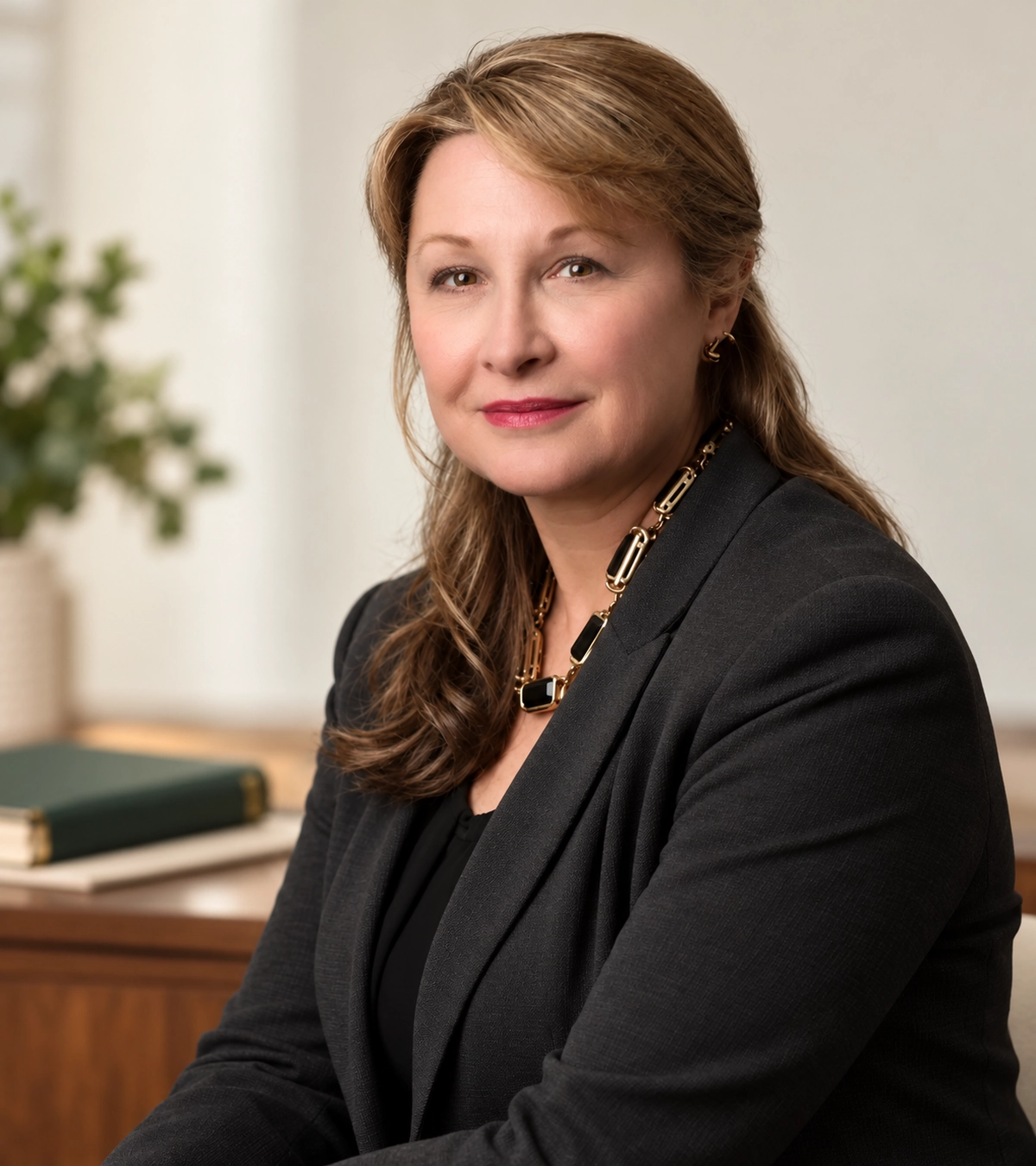 California estate planning counsel
Meet your attorney · The Andrews Law Firm, P.C.
Distance makes good records and consistent explanations especially valuable.
Elaine Andrews can review California trust administration questions from the Truckee office. Describe where beneficiaries live and which requests or disputes have arisen.
Bring correspondence rather than summarizing a disagreement from memory.
Talk with ElainePrepare the decisions that need attention
The Placer County home is one asset in the administration; beneficiary rights and accounting duties extend beyond a property update.
Gather the trust, notices, deed, statements, expense ledger, valuations, and beneficiary communications.
Identify any distribution, sale, or personal-use proposal that has already been discussed.
Get help with trustee dutiesCall (530) 550-8736 to talk about your California legal needs.
Trustee workflow
Confirm who may act under the trust.
Review Probate Code §16061.7 when applicable.
Document values, expenses, and decisions.
Communicate before final distribution.
California rules that apply in Placer County
The relevant county is Placer County. Confirm the procedure that fits the documents and assets.
Read the full trust administration guideIdentify the property and applicable venue.
Later amendments and ownership changes may matter.
Distinguish statutory notification from ordinary updates.
This testimonial or endorsement does not constitute a guarantee, warranty, or prediction regarding the outcome of your legal matter.
Frequently asked questions
Our Truckee office
10270 Donner Pass Road
Truckee, CA 96161
Contact the Truckee office about consultation arrangements and whether the firm can assist with your matter.
Request a consultationBring your questions, your documents and the decisions you want help with. The first consultation is free.
This page provides general information, not legal advice. Contacting us does not create an attorney-client relationship.


