

Clarify interests
Separate ownership from occupancy and contributions.
Oakland · CA · Estate Planning
A long-held family home may support several generations today and carry different expectations for tomorrow. Put ownership, decision-making authority, and inheritance goals into clear California estate documents.
California legal services · Office in Truckee, California
A multigenerational household can involve a homeowner, adult children, grandchildren, and relatives who contribute in different ways. Living there and paying expenses do not necessarily establish the same legal rights. The Andrews Law Firm is based in Truckee. Confirm whether it can assist with your California planning needs and the appropriate consultation arrangements.
California legal guidance tailored to your needs
Separate ownership from occupancy and contributions.
Connect inheritance instructions to continued use.
Give chosen decision makers appropriate authority.
Obtain the deed and any trust, co-ownership, or related documents. Identify who owns an interest and distinguish that from who occupies the home or contributes to bills. If a relative paid for improvements or expects repayment, disclose the facts and supporting records rather than assuming an ownership share. A long family history can create sincere but inconsistent expectations. The initial review should establish the actual interests available to direct through an estate plan before choosing beneficiaries or promising a particular outcome to the people who live there.

Explain whether certain relatives should remain, whether the property should be sold, and who should receive its value. A gift of equal shares may create management and expense questions without protecting anyone’s continued housing. Consider who could afford carrying costs, repairs, or a buyout. If one heir is expected to own the home while another receives different assets, confirm what resources exist to support that instruction. The legal plan should address practical consequences rather than leave relatives to translate an informal promise into a workable arrangement.
If relatives have paid for repairs or helped support the household, ask how those facts should be considered before finalizing inheritance instructions. Separate documented obligations, proposed gifts, occupancy expectations, and assumptions about ownership. Do not promise repayment or a share of the home solely to settle an uncomfortable conversation before the records are reviewed. The legal plan should reflect the owner’s supported decisions and actual interests. Bring written arrangements and a factual payment history where available. Addressing these questions now can give advisers a clearer picture and help the family understand why contributions and inheritance are related concerns without necessarily following the same legal route.
Someone may need to pay expenses, work with advisers, or manage the home while the owner is alive but unable to act. Review a durable power of attorney, successor trustee provisions, and an advance health care directive for their distinct purposes. An adult child living in the home does not automatically have authority over title, accounts, or medical decisions. Consider backups and access to records. A plan that only names heirs can leave the household without clear guidance during the incapacity period that comes before inheritance.
A revocable living trust may help organize ownership and transfer of properly funded property. A pour-over will can address omissions but may still require probate. Review accounts, insurance, and retirement beneficiary records separately, because those arrangements may not follow the trust’s distribution terms. Check the Alameda County deed and complete appropriate funding work if a trust is used. After a death, marriage, purchase, or ownership change, review the plan and its records. The household’s needs can evolve even when the address remains the same for decades.
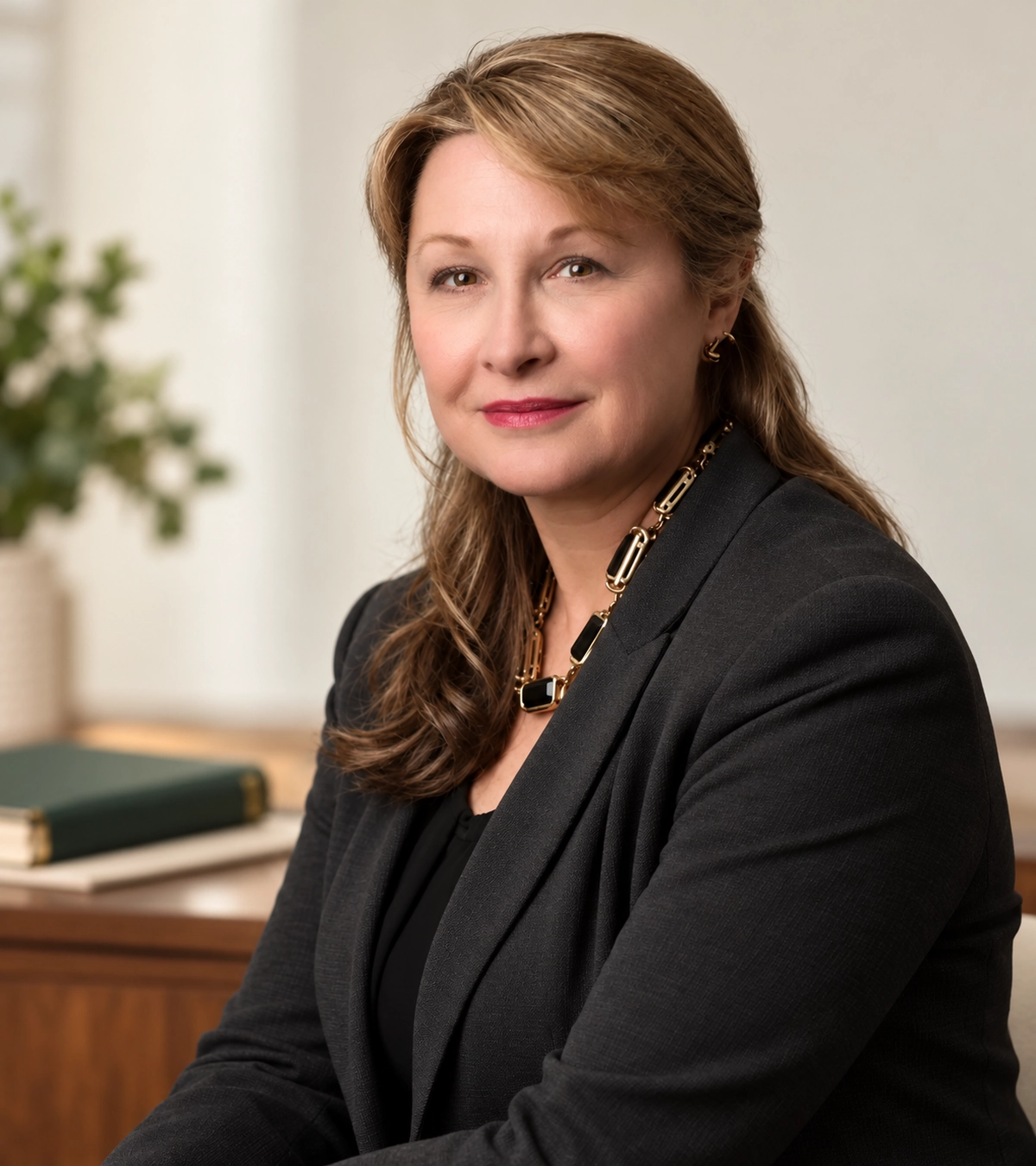 California estate planning counsel
Meet your attorney · The Andrews Law Firm, P.C.
A family home deserves instructions that reflect who depends on it and how ownership actually works.
Elaine Andrews can discuss California estate-planning questions from Truckee. Confirm service availability for the proposed matter.
Explain household arrangements and expectations candidly.
Talk with ElainePrepare the decisions that need attention
Alameda County title is the starting point; family history supplies context but does not replace the deed review.
Bring deeds, trusts, beneficiary records, and documents about contributions or occupancy.
Identify who is expected to remain, manage, pay expenses, or receive value.
Discuss your estate planCall (530) 550-8736 to talk about your California legal needs.
Planning documents
Instructions for assets properly held by the trustee.
Addresses omitted assets; probate may still be required.
Authority for financial matters within its scope.
Medical wishes and a chosen health care decision maker.
California rules that apply in Alameda County
The relevant county is Alameda County. Confirm the procedure that fits the documents and assets.
Read the full estate planning guideIdentify the property and applicable venue.
Later amendments and ownership changes may matter.
Separate ownership from occupancy and contributions.
This testimonial or endorsement does not constitute a guarantee, warranty, or prediction regarding the outcome of your legal matter.
Frequently asked questions
Our Truckee office
10270 Donner Pass Road
Truckee, CA 96161
Contact the Truckee office about consultation arrangements and whether the firm can assist with your matter.
Request a consultationBring your questions, your documents and the decisions you want help with. The first consultation is free.
This page provides general information, not legal advice. Contacting us does not create an attorney-client relationship.


