

Review two titles
Identify the ownership of each property.
San Francisco · CA · Estate Planning
A city home and a Tahoe second home can belong in one coordinated California estate plan. Address both titles, the people who can act, and the inheritance you intend.
California legal services · Office in Truckee, California
The two properties may serve different purposes while supporting the same family. One may be a primary residence; the other may be shared, rented, or kept for vacations. The Andrews Law Firm is based in Truckee. Ask about availability for your California matter and consultation arrangements before assuming a remote engagement.
California legal guidance tailored to your needs
Identify the ownership of each property.
Connect both homes to the same family decisions.
Confirm funding in the relevant county.
Obtain the current deeds, counties, owners, and any trust or entity references. A plan cannot safely treat both homes as identical just because they belong to the same household. One may have been purchased before the trust and another afterward; refinancing or co-owner changes may have altered title. Include mortgages, insurance, and operating arrangements in the practical inventory. For the city property the county is San Francisco; identify the actual county of the Tahoe property from its records rather than guessing from the lake’s name.

Explain whether both homes should be retained, whether one should be sold, and who is expected to benefit. Equal shares of an estate do not necessarily mean giving every beneficiary equal interests in both homes. Compare ongoing costs, available cash, and the recipients’ willingness to manage each property. The wishes you describe should be tested against the ownership and other assets available to carry them out. A coordinated trust may provide a framework, but the terms should address the family’s actual decisions rather than rely on general language about equal treatment.
A person may need to manage one home while you are receiving care at the other. Review successor trustee provisions, financial powers, health care directives, and any separate entity authority. The trustee’s role over trust assets is not automatically the same as an agent’s role over property outside the trust. Consider access to documents, advisers, managers, and expense accounts for both locations. Backup appointments matter if the first person cannot serve. A practical handoff should make clear which authority supports each decision, not simply name a willing relative.
A revocable living trust can help address probate avoidance for properly funded assets, but signing one trust does not automatically transfer every property into it. Review the appropriate deeds and recording work in the respective counties. Keep proof of completed transfers and review title after later transactions. A pour-over will may direct omitted property but can still require probate. Coordinate beneficiary designations and assets outside the trust so they support the broader instructions. After a major purchase, sale, marriage, or death, revisit both the legal documents and the funding record.
One home may provide everyday housing while the other is primarily a shared retreat. Ask what happens if the intended recipient of one does not want ownership or cannot cover its expenses. Consider whether another asset is actually available to support the proposed division and how the successor should approach a sale if the original plan becomes impractical. The review should address those possibilities without promising that both properties can always remain in the family. Bring the relevant titles and current instructions so the discussion leads to a supported structure. A coordinated plan is more than naming the same beneficiaries twice; it explains how the different assets serve the family’s intended result.
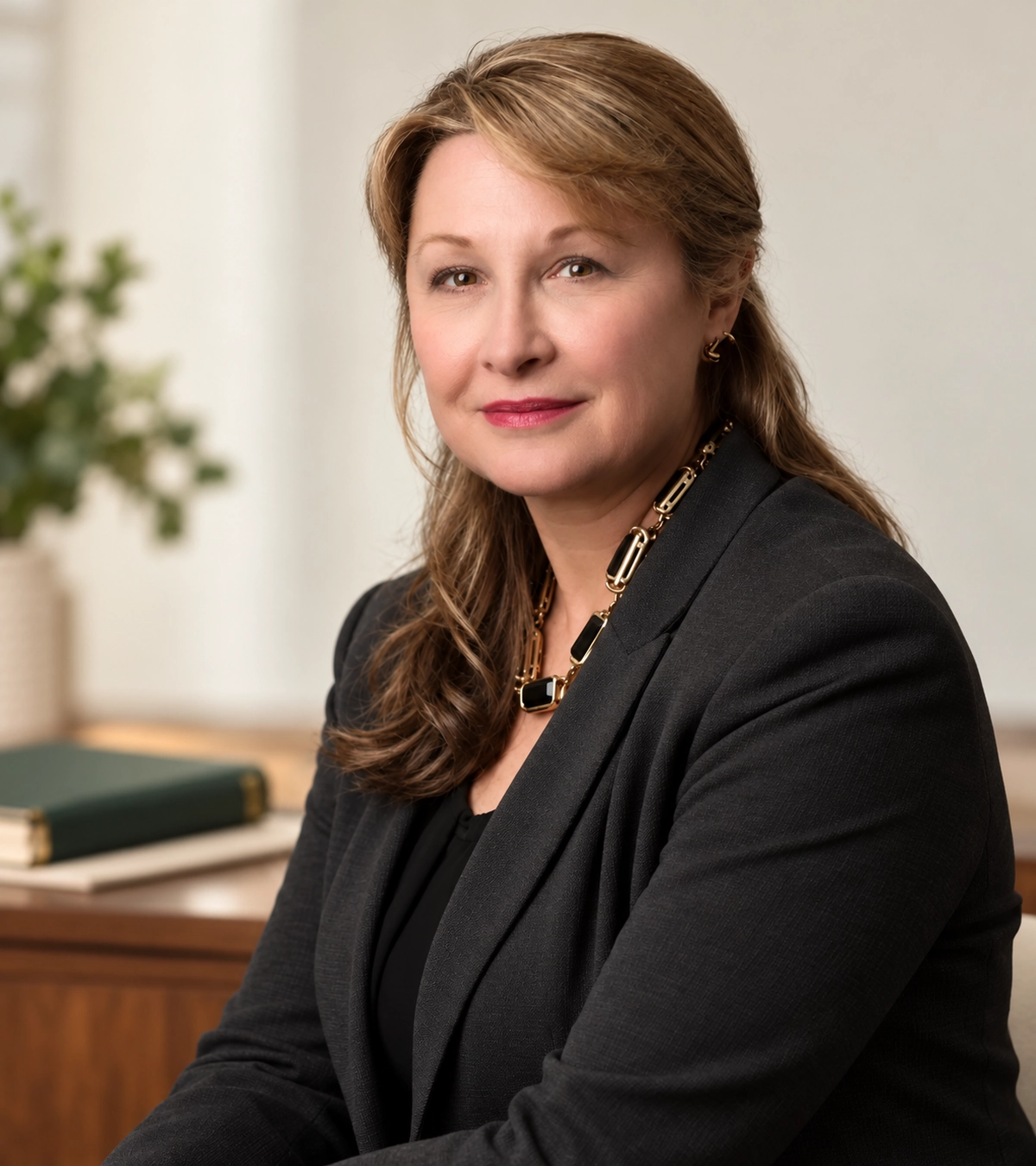 California estate planning counsel
Meet your attorney · The Andrews Law Firm, P.C.
A coordinated plan should explain what happens to both homes without making relatives reconcile conflicting instructions.
Elaine Andrews practices California law from the firm’s Truckee office. Confirm whether the firm can assist with the proposed scope.
Identify the Tahoe property’s county and any existing advisers.
Talk with ElainePrepare the decisions that need attention
Different county records can be involved even when the homes belong in one California plan.
Gather current deeds, trust versions, beneficiary information, and the intended result for each home.
Confirm consultation availability before relying on a particular meeting format.
Discuss your estate planCall (530) 550-8736 to talk about your California legal needs.
Planning documents
Instructions for assets properly held by the trustee.
Addresses omitted assets; probate may still be required.
Authority for financial matters within its scope.
Medical wishes and a chosen health care decision maker.
California rules that apply in City and County of San Francisco
The relevant county is San Francisco County. Confirm the procedure that fits the documents and assets.
Read the full estate planning guideIdentify the property and applicable venue.
Later amendments and ownership changes may matter.
Identify the ownership of each property.
This testimonial or endorsement does not constitute a guarantee, warranty, or prediction regarding the outcome of your legal matter.
Frequently asked questions
Our Truckee office
10270 Donner Pass Road
Truckee, CA 96161
Contact the Truckee office about consultation arrangements and whether the firm can assist with your matter.
Request a consultationBring your questions, your documents and the decisions you want help with. The first consultation is free.
This page provides general information, not legal advice. Contacting us does not create an attorney-client relationship.


