

Confirm today’s ownership
Review the chain of transfers before choosing recipients.
Soda Springs · CA · Estate Planning
A cabin can carry generations of memories and very different expectations about its future. Put those expectations into a California estate plan your family can actually use.
California legal services · Office in Truckee, California
One child may picture every winter together; another may see a property that needs repairs and money. Leaving the cabin to both without instructions can hand them a difficult negotiation. The Andrews Law Firm can help you address ownership, decision-making authority, and inheritance choices while you still have the opportunity to explain your priorities.
California legal guidance tailored to your needs
Review the chain of transfers before choosing recipients.
Separate affection for the cabin from willingness to own it.
Give the next generation a workable arrangement.
Begin with the deed and the documents from earlier transfers. A cabin described as belonging to the whole family may be legally owned by one person, several people, a trust, or an entity. Identify the interest you can actually direct through your plan. Record any promises or informal arrangements, but do not treat them as confirmed ownership rights. If different generations acquired shares at different times, the records deserve careful review before you decide who will receive what. Your instructions should fit the ownership that exists now.

Discuss whether the proposed recipients want ownership, occasional use, or simply a fair share of the estate. These preferences are not interchangeable. A sibling who cannot afford ongoing expenses may be placed in a difficult position by a gift intended as a benefit. Explain whether the cabin is to be retained, sold, or offered to one family member under a defined arrangement. Consider the other assets available to carry out your wishes. A clear conversation now can reveal practical obstacles before those obstacles become an inheritance dispute.
A plan can express a strong wish to keep the cabin while still considering future repairs, family moves, or a beneficiary who cannot contribute. Discuss what circumstances would justify another course and who would have authority to decide. If a proposed arrangement relies on one relative paying more, establish whether that is a gift, an advance, or another reviewed obligation. Do not leave the distinction to later recollection. A realistic plan can address the possibility of changed circumstances without abandoning the family’s present goal. The conversation should make clear how sentiment, available money, and legal ownership will be considered together when the next generation has to act.
If illness prevents you from managing the property, someone may need to arrange repairs, pay insurance, or handle the bills. A durable power of attorney and successor trustee provisions can address different assets and responsibilities. An advance health care directive addresses medical decisions rather than cabin management. A revocable living trust and pour-over will should be considered as part of the broader plan, with funding work appropriate to the title. Ask who can step in and what records that person would need to establish authority.
Shared ownership can raise questions about holiday use, guests, maintenance, contributions, and a future buyout. Discuss whether a separate cabin agreement should work alongside the estate documents. A plan also needs a response when a beneficiary wants to leave, stops paying, or dies. The legal structure should be reviewed rather than chosen from a family email. Revisit the instructions after major ownership or family changes. A useful result is a set of decisions that relatives can follow without having to guess what keeping the cabin was supposed to require.
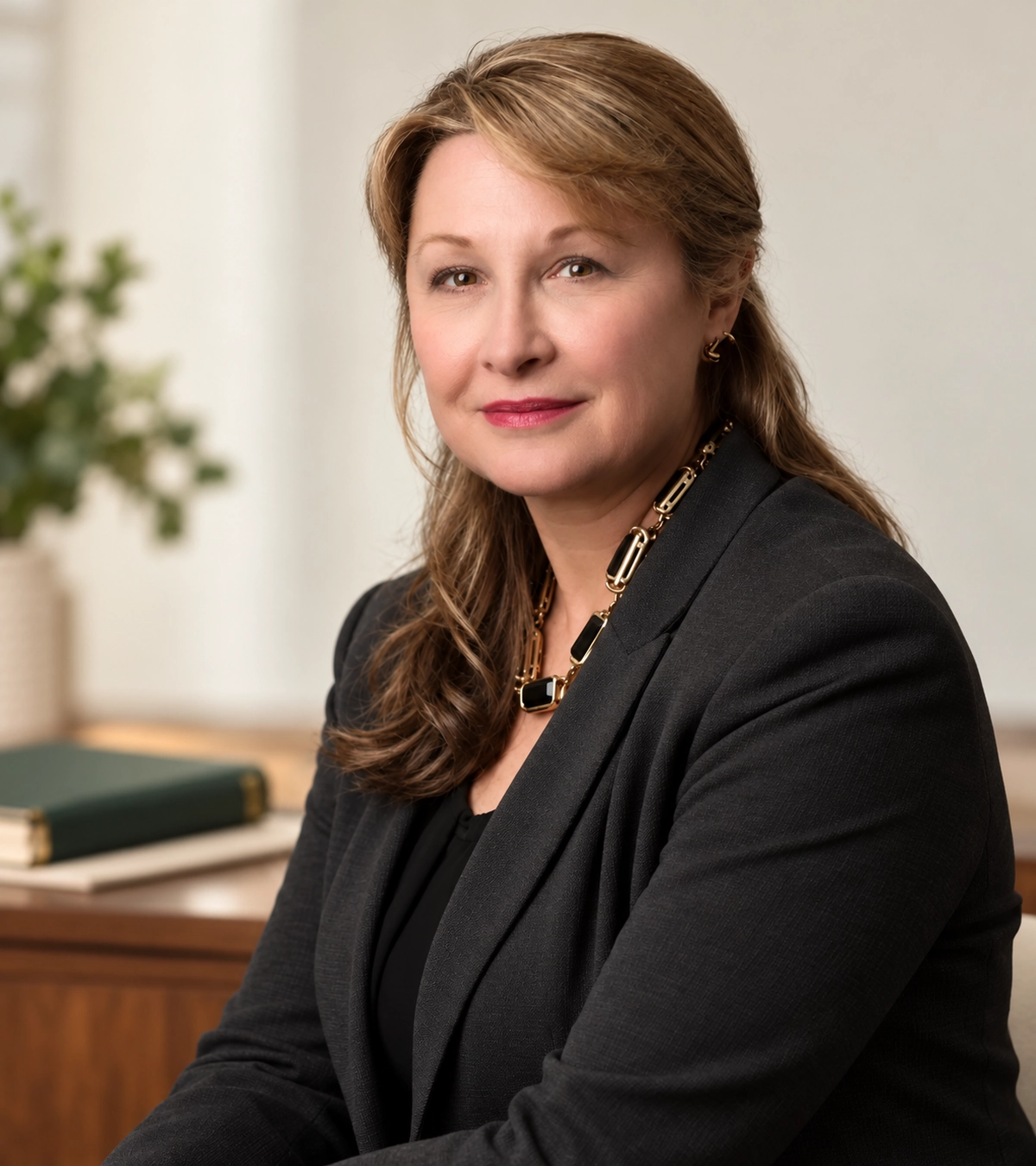 California estate planning counsel
Meet your attorney · The Andrews Law Firm, P.C.
A family legacy should leave direction as well as memories.
Elaine Andrews can review California estate documents and cabin ownership questions from the Truckee office.
Explain which family expectations are agreed and which remain unsettled.
Talk with ElainePrepare the decisions that need attention
For a cabin in Nevada County, use the recorded deed to establish ownership and the relevant property details.
Gather the current deed, earlier trust documents, shared-expense records, and any written family arrangements.
List proposed recipients and any concern about funding future expenses.
Discuss your estate planCall (530) 550-8736 to talk about your California legal needs.
Planning documents
Instructions for assets properly held by the trustee.
Addresses omitted assets; probate may still be required.
Authority for financial matters within its scope.
Medical wishes and a chosen health care decision maker.
California rules that apply in Nevada County
The relevant county is Nevada County. Confirm the procedure that fits the documents and assets.
Read the full estate planning guideIdentify the property and applicable venue.
Later amendments and ownership changes may matter.
Review the chain of transfers before choosing recipients.
This testimonial or endorsement does not constitute a guarantee, warranty, or prediction regarding the outcome of your legal matter.
Frequently asked questions
Our Truckee office
10270 Donner Pass Road
Truckee, CA 96161
Contact the Truckee office about consultation arrangements and whether the firm can assist with your matter.
Request a consultationBring your questions, your documents and the decisions you want help with. The first consultation is free.
This page provides general information, not legal advice. Contacting us does not create an attorney-client relationship.


