

Compare both titles
Identify ownership and county separately.
Palo Alto · CA · Living Trusts
A valuable primary home and a Tahoe property can be coordinated in one trust plan. Confirm each title and transfer step instead of assuming the first deed funded every later purchase.
California legal services · Office in Truckee, California
Your trust instructions may be intended to cover both homes, but each property has its own deed and transaction history. The Andrews Law Firm is based in Truckee. Ask whether it can assist with the California trust review and consultation arrangements before assuming a particular service format.
California legal guidance tailored to your needs
Identify ownership and county separately.
Retain evidence for each funding task.
Connect both homes to practical successor instructions.
Gather the latest recorded deed for each home, along with purchase, refinance, or ownership-change records. Identify the county and named owners for each property. The primary home is in Santa Clara County; verify the Tahoe property’s county from the deed. One home may already be trust property while the other remains individually owned or belongs partly to a co-owner. The review should identify those differences before preparing any transfer. A combined asset list is useful, but it does not establish that both properties share the intended legal ownership.
An appropriate deed transfer and recording work may be needed for each home. Review financing, insurance, ownership agreements, and relevant reporting questions. If another person owns an interest, do not assume the trust can receive more than the transferring owner controls. Ask who will prepare and record each instrument and how completion will be confirmed. Keep the recorded documents with the trust’s funding records. A signed but unrecorded draft should not be confused with verified completion, and a single checklist entry should not obscure work still outstanding on the second property.
The family may intend to keep the primary home and sell the second property, or the reverse. Explain the intended sequence, beneficiaries, expense resources, and flexibility needed if circumstances change. The trust’s instructions should be reviewed alongside the actual ownership and available cash. A sale may replace real estate with an account that then needs its own ownership or beneficiary review. Do not assume the proceeds automatically stay connected to the trust merely because the property was funded. Preserve closing and deposit records and ask which follow-through is needed. This keeps the plan aligned with the asset that exists after the transaction.
Explain whether one property is to be sold while the other remains for family use, whether different beneficiaries should receive them, and how carrying costs would be met. A high property value does not guarantee ready cash for expenses or equalization. The successor needs instructions appropriate to the trust’s goals and authority. If relatives are expected to share a vacation property, use and expense arrangements may need separate consideration. Funding connects the asset to the trust; it does not by itself resolve every later management or inheritance decision.
A refinance, sale, replacement home, or purchase of another share can create a new title issue. Review final deeds after those transactions rather than assume another participant maintained the estate plan. Coordinate financial accounts and beneficiary records as well. A pour-over will can address omitted assets but may still require probate. Trust ownership also does not guarantee a tax outcome or automatically eliminate federal estate tax exposure. Review the California documents alongside tax advice when values, ownership, or intended transfers materially change.
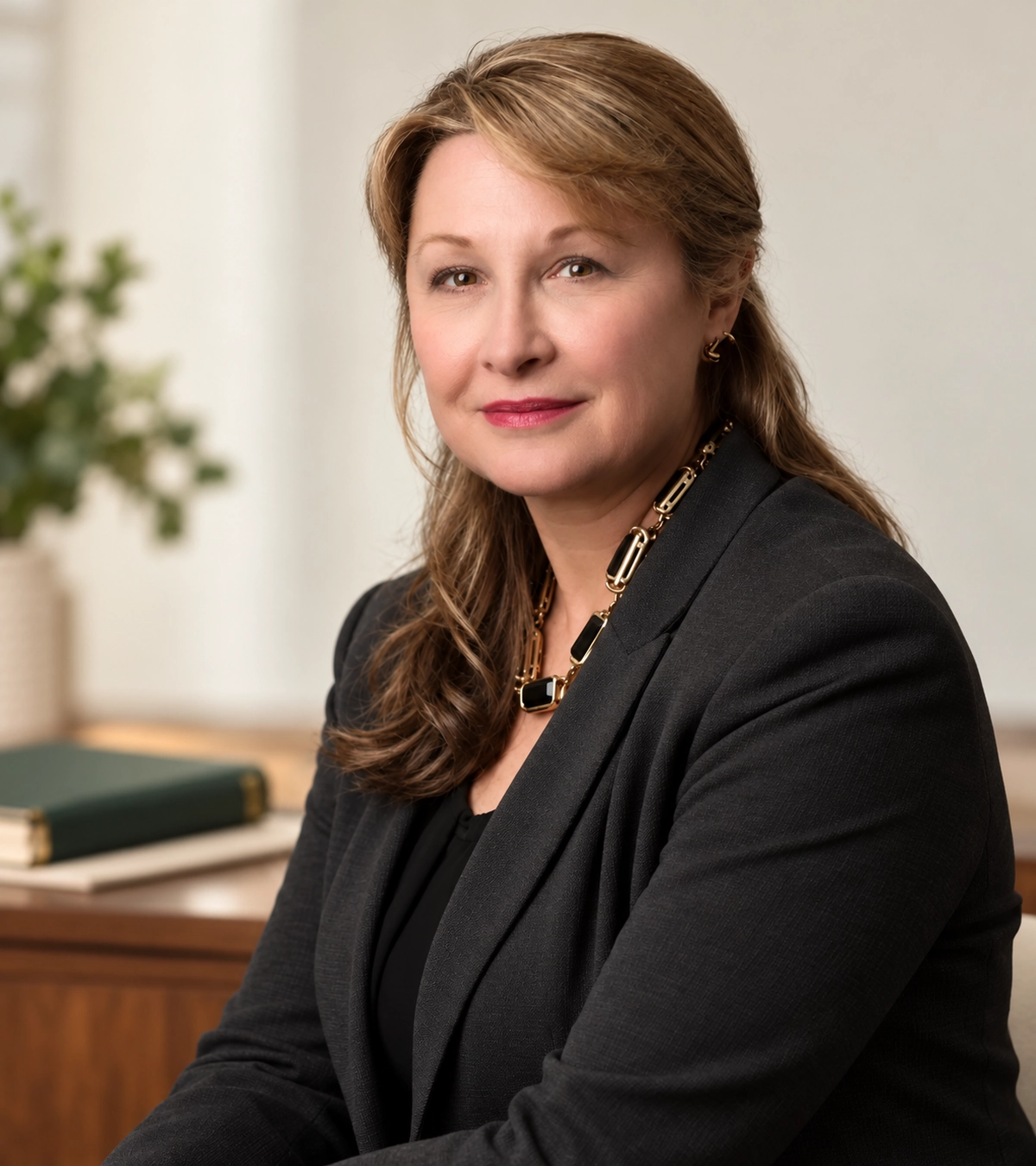 California estate planning counsel
Meet your attorney · The Andrews Law Firm, P.C.
A coordinated trust should make it easy to see which home is funded and what the successor should do with each.
Elaine Andrews can discuss California trust and property planning from Truckee, subject to availability.
Provide both property files rather than only the home closest to the office.
Talk with ElainePrepare the decisions that need attention
A single California trust can involve recording work in more than one county; verify the actual properties and documents.
Gather current deeds, trust versions, financing-related transfers, and inheritance goals for each asset.
Ask for a clear record of any remaining funding or institutional tasks.
Review your living trustCall (530) 550-8736 to talk about your California legal needs.
Funding checklist
California rules that apply in Santa Clara County
The relevant county is Santa Clara County. Confirm the procedure that fits the documents and assets.
Read the full living trusts guideIdentify the property and applicable venue.
Later amendments and ownership changes may matter.
Identify ownership and county separately.
This testimonial or endorsement does not constitute a guarantee, warranty, or prediction regarding the outcome of your legal matter.
Frequently asked questions
Our Truckee office
10270 Donner Pass Road
Truckee, CA 96161
Contact the Truckee office about consultation arrangements and whether the firm can assist with your matter.
Request a consultationBring your questions, your documents and the decisions you want help with. The first consultation is free.
This page provides general information, not legal advice. Contacting us does not create an attorney-client relationship.


