

Review prevention
Check California funding while planning remains possible.
Carson City · NV · Probate
A retained California home can create a probate issue after a Nevada resident dies. Review how to prevent that gap while living and what the California process requires after a death.
California legal services · Office in Truckee, California · Nevada-law issues require counsel authorized in Nevada
This page concerns California ancillary probate, not Nevada estate representation. Elaine Andrews is licensed in California; Nevada law and court matters require Nevada counsel. The Andrews Law Firm can assess California ownership and available transfer options, whether you are reviewing a current plan or handling a death that has already occurred.
California legal guidance tailored to your needs
Check California funding while planning remains possible.
Choose the supported transfer route after death.
Clarify the California role of the representative.
Obtain the current California deed and compare it with the trust and intended inheritance instructions. If the property remains individually owned, discuss whether appropriate trust funding or another reviewed arrangement can address future probate exposure. A will does not automatically avoid a California ancillary proceeding. Do not change title without considering the existing ownership, financing, and legal or tax consequences. The useful result is a completed plan supported by documents, not a promise that signing one form will protect every asset from court involvement.

If the owner is living, the review may consider an appropriate funding or ownership change that can be completed with the owner’s authority. After death, the available procedures depend on the documents and facts already in place. Do not assume the same deed can be signed or that a relative can finish the owner’s intended transfer informally. Bring any unsigned drafts, pending recorder submissions, or old funding instructions as evidence rather than treating them as completed actions. California counsel can evaluate the supported route while Nevada counsel addresses the Nevada estate. Identify any sale proposal and the property’s ongoing costs so urgent practical matters receive attention without bypassing legal authority. Keep a record of work already performed by managers, agents, or relatives. A careful distinction between planning and administration helps the family avoid promises that cannot be carried out by the person expected to sign. It also clarifies why a will, trust schedule, and recorded deed may each have a different role in deciding whether California ancillary probate or another court process is necessary.
Locate the deed, will, trust, amendments, and any Nevada estate filings. Determine what interest the deceased held and whether an alternative to full California probate applies. The absence of a funded trust may matter, but does not eliminate the need to review other ownership arrangements and applicable procedures. For deaths on or after April 1, 2025, the personal-property affidavit ceiling is $208,850 under its statutory calculation. California rental real estate needs a separate transfer analysis; that affidavit is not a deed-transfer shortcut. Identify the right person to pursue the California matter and the documentation that person needs. A family preference for a quick transfer cannot replace the legal analysis of the available route.
The proper California county is determined under the nonresident-estate venue rules, including the location of the California property. The owner’s Nevada residence is not a substitute for identifying the California county. Review whether a representative appointed elsewhere needs additional California authority before transacting the property. Coordinate appropriate records with Nevada counsel. If multiple California properties are involved, disclose all of them rather than treating each mailing address as an unrelated problem. Venue and administration should be organized around the actual estate.
An ancillary proceeding can require notices, inventory work, attention to debts and expenses, tax coordination, and applicable court approvals. A sale may add title, transaction, and authority questions. For illustration, a $1,000,000 California statutory base produces $23,000 ordinary compensation for each of the estate attorney and representative, subject to the applicable rules and court approval. That does not include Nevada work or every expense. Ask for an estate-specific sequence and cost explanation rather than a universal completion date. The representative should retain records of property expenses and communications throughout. Distribution should follow the applicable administration requirements, even when family members are certain about who ultimately ought to receive the property.
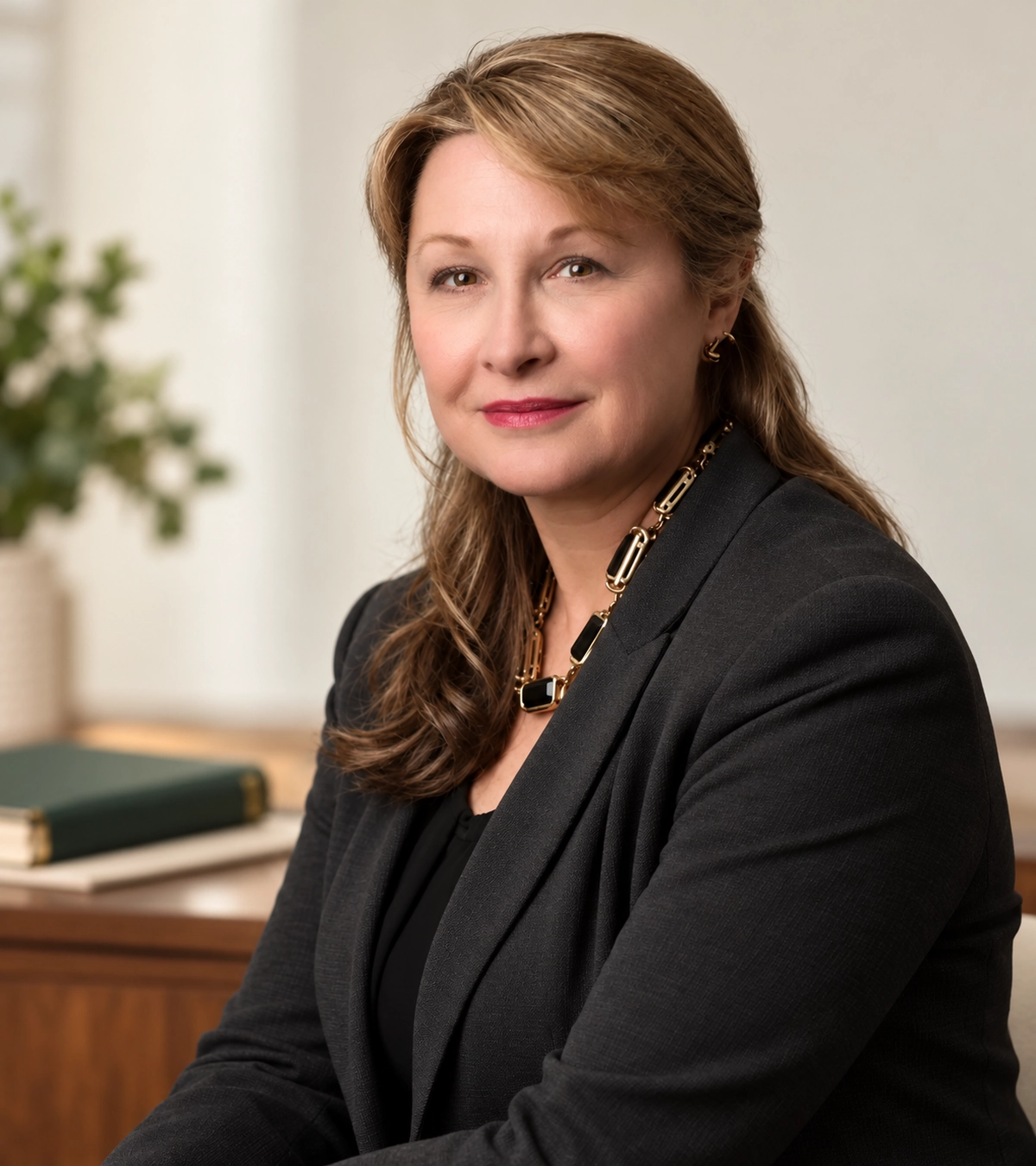 California estate planning counsel
Meet your attorney · The Andrews Law Firm, P.C.
The California asset should not remain an unexplained gap in an otherwise organized estate.
Elaine Andrews can discuss California ancillary probate questions from Truckee. Nevada representation is outside this page’s scope.
Explain whether the owner is planning now or whether a death has already occurred.
Talk with ElainePrepare the decisions that need attention
The California county and title matter even when the family and representative are based in Nevada.
Provide deeds, estate documents, death records if applicable, and any Nevada case or appointment papers.
Identify a pending sale, property expense, or request for distribution.
California matters only: We do not claim a Nevada office or Nevada-law representation. Consult Nevada-licensed counsel about Nevada legal issues, documents or proceedings.
Discuss the probate processCall (530) 550-8736 to talk about your California legal needs.
This testimonial or endorsement does not constitute a guarantee, warranty, or prediction regarding the outcome of your legal matter.
Frequently asked questions
Our Truckee office
10270 Donner Pass Road
Truckee, CA 96161
Our office is in Truckee, California. Ask about assistance with the California portion of your matter.
Request a consultationBring your questions, your documents and the decisions you want help with. The first consultation is free.
This page provides general information, not legal advice. Contacting us does not create an attorney-client relationship.


