

Confirm authority
Review the deed and successor appointment.
San Francisco · CA · Trust Administration
A successor preparing to sell a city home must address more than finding a buyer. Review California trustee authority, valuation, beneficiary duties, and separate Proposition 19 questions.
California legal services · Office in Truckee, California
After a death, the house can become the focus of every family conversation. The trustee still needs to establish authority and understand the trust’s instructions before committing to a transaction. The Andrews Law Firm is based in Truckee; ask whether it can assist with your California matter and the proposed consultation arrangements.
California legal guidance tailored to your needs
Review the deed and successor appointment.
Preserve valuations, offers, and expense decisions.
Separate reassessment from basis questions.
Obtain the complete trust, amendments, current deed, and documents relevant to the succession event. Confirm whether the home is actually a trust asset and whether more than one trustee must act. A listing agent’s request for a signature does not resolve legal authority. Review any existing co-owner or occupant interests as part of the property picture. The successor should be able to establish the role with appropriate documentation before negotiating or signing as trustee. Keep that authority record with the administration file.

A purchase contract may target a closing while the trustee is still assembling tax records or accounting for expenses. Distinguish the transaction deadline from the trust’s distribution requirements. Ask which funds must remain available and which records are needed before payments to beneficiaries. Keep correspondence about timing factual and avoid promising that every closing receipt will be paid out immediately. If a beneficiary asks for an advance, review it within the trust’s authority and administration needs rather than treat it as a personal loan from the trustee. A documented explanation can show why a completed sale and a completed administration are different events.
Obtain appropriate advice about date-of-death value, current market information, and any tax records needed. These may serve different purposes. Document property condition, necessary work, carrying costs, and reasons for material decisions. If a beneficiary wants to buy the home, authority, price, disclosure, and fairness questions deserve attention rather than an informal family discount. The trust’s instructions and the trustee’s duties should guide the transaction. Retain offers, contracts, invoices, and correspondence so the decision can later be explained from the record.
Property tax reassessment and an inherited asset’s income tax basis involve different rules. A trust transfer or sale does not automatically produce the same answer under both systems. Review the property’s use, intended recipients, transfer facts, and any applicable exclusion requirements with the relevant advisers. For a qualifying transfer between February 16, 2025 and February 15, 2027, Proposition 19 uses a $1,044,586 valuation allowance above existing taxable value. The family-home exclusion has occupancy and filing conditions; the successor must evaluate those facts rather than assume all trust transfers qualify. Do not promise a beneficiary that an old property tax assessment will continue because the trust owns the home. Tax questions should be addressed before irreversible commitments where possible.
Review Probate Code §16061.7 notices where applicable, beneficiary information and accounting duties, debts, expenses, and tax obligations. Sale proceeds remain trust property subject to the administration. A completed closing does not automatically authorize immediate final distributions. Keep funds and records separate from personal transactions. Communicate what remains to be done without inventing a completion date. If a dispute or trustee conflict emerges, obtain guidance before it is embedded in a transaction. The administration should connect the sale decision to the eventual accounting and distribution record.
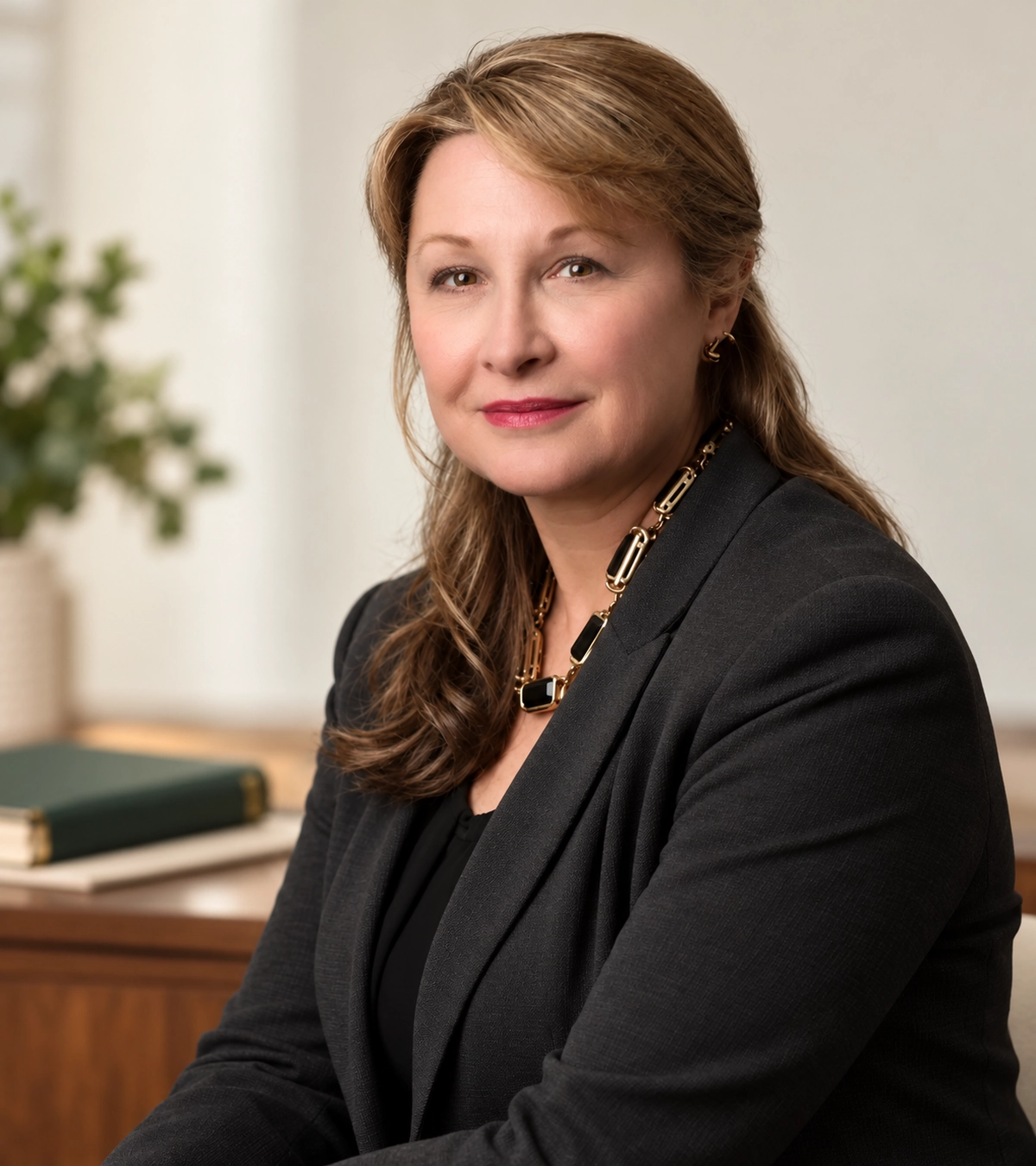 California estate planning counsel
Meet your attorney · The Andrews Law Firm, P.C.
A sale should leave an administration record as well as closing documents.
Elaine Andrews can discuss California trust responsibilities from the Truckee office. Confirm availability for the proposed engagement.
Disclose any proposed purchase by a trustee or beneficiary early.
Talk with ElainePrepare the decisions that need attention
City property tax questions and trust duties should be evaluated together without assuming a single automatic result.
Bring the trust, deed, valuations, notices, expense ledger, and any listing or purchase paperwork.
Identify pending beneficiary requests and expected closing dates.
Get help with trustee dutiesCall (530) 550-8736 to talk about your California legal needs.
Trustee workflow
Confirm who may act under the trust.
Review Probate Code §16061.7 when applicable.
Document values, expenses, and decisions.
Communicate before final distribution.
California rules that apply in City and County of San Francisco
The relevant county is San Francisco County. Confirm the procedure that fits the documents and assets.
Read the full trust administration guideIdentify the property and applicable venue.
Later amendments and ownership changes may matter.
Review the deed and successor appointment.
This testimonial or endorsement does not constitute a guarantee, warranty, or prediction regarding the outcome of your legal matter.
Frequently asked questions
Our Truckee office
10270 Donner Pass Road
Truckee, CA 96161
Contact the Truckee office about consultation arrangements and whether the firm can assist with your matter.
Request a consultationBring your questions, your documents and the decisions you want help with. The first consultation is free.
This page provides general information, not legal advice. Contacting us does not create an attorney-client relationship.


