

Establish the role
Read the succession provisions before acting.
Walnut Creek · CA · Trust Administration
Being named trustee does not come with a practical instruction manual for every account and obligation. Get California guidance to organize the first decisions, records, notices, and beneficiary responsibilities.
California legal services · Office in Truckee, California
An adult child may be grieving while institutions and relatives request action. The Andrews Law Firm can discuss California trust administration from Truckee, subject to availability. Start by understanding the role you are accepting and the documents that govern it, rather than assuming you must immediately distribute the assets or solve every family question.
California legal guidance tailored to your needs
Read the succession provisions before acting.
Track notices, property, receipts, and expenses.
Review remaining duties before final payments.
Locate the complete trust, amendments, succession provisions, and documentation relevant to the death or incapacity. Confirm who may act, whether co-trustees are involved, and what must be shown to institutions. Preserve mail, statements, deeds, bills, and adviser contacts. Keep urgent property preservation separate from major transactions. A trustee is not necessarily the executor of every probate asset, and the trust does not automatically own everything associated with the parent. The initial record should distinguish the roles and property before decisions are made in their names.

Review Probate Code §16061.7 requirements where applicable and identify the people entitled to statutory notification. Informal updates do not substitute for the required notice. Build an inventory of trust property, ownership, values requiring review, income, expenses, and possible obligations. Obtain current contact information for beneficiaries and advisers. Do not discard a record because the asset appears small or someone says it belongs outside the trust; establish the actual transfer route. A complete inventory helps identify what the administration needs and what requires separate probate or contractual treatment.
Keep trust receipts and expenses distinguishable from personal funds. Track advances, reimbursements, property bills, professional charges, and proposed payments. Obtain appropriate valuation and tax assistance before assuming the balance available for distribution. If a home must be managed or sold, review the trust’s powers and the successor’s duties before signing. A beneficiary’s urgent request should be considered within the administration rather than handled through an undocumented personal transfer. Good records make the trustee’s later explanation possible without relying on memory.
Review the information and accounting obligations applicable to the trust and beneficiaries. Identify unresolved expenses, tax questions, transactions, and any required reserves before final transfers. Communicate a realistic status without promising a universal completion date. If relatives disagree or the trustee has a personal interest, seek guidance before taking action that may worsen the conflict. Keep the final distribution and receipt records. A first-time trustee’s success depends on a supported process and appropriate advice, not on handling every legal and tax task alone.
A first-time trustee can record important requests, facts, documents reviewed, advice obtained, and decisions made. The log should support the administration file, not replace formal accounting or legal requirements. Attach receipts and correspondence rather than rely on a short note that something seemed necessary. Identify whether the action was urgent preservation, ordinary administration, a proposed distribution, or a personal-interest issue needing review. This organization can reduce confusion when relatives ask questions months later. It also helps counsel understand what has already happened so advice is based on the current record rather than an assumption that the successor has taken no action.
 California estate planning counsel
Meet your attorney · The Andrews Law Firm, P.C.
You can approach the job in stages without treating every request as an immediate instruction.
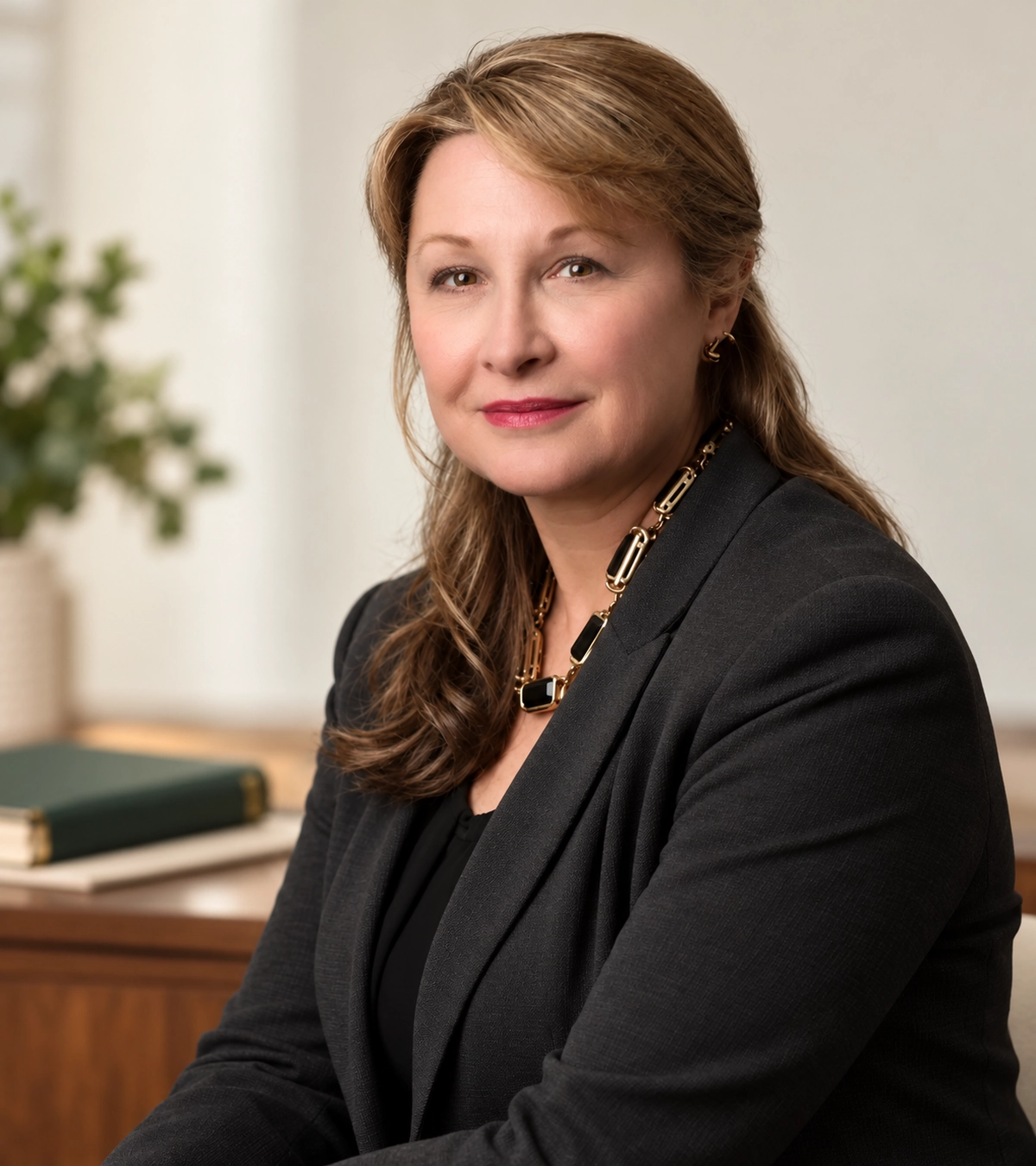
Elaine Andrews can discuss California trustee duties from the Truckee office. Confirm availability for the matter.
Bring pending requests from institutions and family members.
Talk with ElainePrepare the decisions that need attention
Contra Costa County property may be only part of the trust; the inventory should capture the wider administration.
Gather the trust, death documentation if applicable, deeds, statements, bills, notices, and adviser information.
Explain what actions you have already taken and which decisions remain open.
Get help with trustee dutiesCall (530) 550-8736 to talk about your California legal needs.
Trustee workflow
Confirm who may act under the trust.
Review Probate Code §16061.7 when applicable.
Document values, expenses, and decisions.
Communicate before final distribution.
California rules that apply in Contra Costa County
The relevant county is Contra Costa County. Confirm the procedure that fits the documents and assets.
Read the full trust administration guideIdentify the property and applicable venue.
Later amendments and ownership changes may matter.
Read the succession provisions before acting.
This testimonial or endorsement does not constitute a guarantee, warranty, or prediction regarding the outcome of your legal matter.
Frequently asked questions
Our Truckee office
10270 Donner Pass Road
Truckee, CA 96161
Contact the Truckee office about consultation arrangements and whether the firm can assist with your matter.
Request a consultationBring your questions, your documents and the decisions you want help with. The first consultation is free.
This page provides general information, not legal advice. Contacting us does not create an attorney-client relationship.


