California Estate Law
The Hidden Dangers of Informal Caregiver Arrangements
When family members step up to provide care for a loved one, the arrangement often comes with an informal expectation of future compensation. Without a written agreement
When a family member needs long-term care, relatives often step up without hesitation. A daughter reduces her work hours to help an aging parent manage daily life. A son moves back home to coordinate medical appointments and handle finances. A spouse takes on full-time caregiving responsibilities while putting their own career and plans on hold.
These arrangements are driven by love and loyalty, and they frequently come with an informal understanding that the caregiver will be recognized for their sacrifice—through an inheritance, a share of the estate, reduced living expenses, or some future payment.
The problem is that an informal understanding carries no legal weight. When it is never reduced to writing, the consequences can be serious—not only for the caregiver, but for the entire family.
What Counts as an Informal Care Arrangement?
An informal care arrangement is any situation in which someone provides personal care, household management, financial oversight, or medical coordination for a loved one without a written, legally binding agreement in place.
These situations are far more common than most families realize. In many cases, care is provided over years or even decades, and the caregiver invests enormous time and energy expecting that their contributions will be honored. But without a documented agreement, that expectation has no enforceable legal foundation.
Five Ways Undocumented Caregiving Creates Legal Problems
Whether the arrangement involves a parent and adult child, spouses, or close friends, the absence of a written care agreement can expose everyone involved to significant legal risk.
- Verbal promises rarely hold up in court. California law recognizes oral contracts in certain circumstances, but proving what was said—especially after the person who made the promise has passed away—is extremely difficult. Other heirs may dispute the caregiver’s claim entirely, leaving them with nothing despite years of dedicated service.
- Transfers can be challenged as financial elder abuse. When a caregiver receives money, property, or a substantial inheritance from someone in their care, the transaction invites close scrutiny under California law. Even when the transfer is entirely voluntary, the absence of documentation can make it appear coercive or exploitative, which may result in the transfer being reversed and the caregiver facing legal liability.
- Family conflict and litigation become more likely. Disagreements over caregiving and inheritance are among the most common triggers of family estrangement and probate litigation. Without a written record of what was agreed and what was provided, family members are left to argue from memory—a process that is both emotionally damaging and financially costly.
- Medi-Cal eligibility can be affected. Medi-Cal covers long-term care for qualifying Californians, but eligibility involves a careful review of the applicant’s financial history. Payments made to a caregiver without proper documentation may be treated as gifts rather than legitimate compensation, potentially creating a disqualification period. A formally drafted personal care agreement establishes that payments represent compensation for services rendered, which is a critical distinction for Medi-Cal planning.
- Tax obligations may go unmet. Caregiver compensation is taxable income. Without a written agreement and accurate recordkeeping, neither the caregiver nor the care recipient may handle these payments correctly from a tax standpoint, resulting in unreported income, IRS penalties, and complications that affect both parties.
Protecting Your Family Starts with a Written Agreement
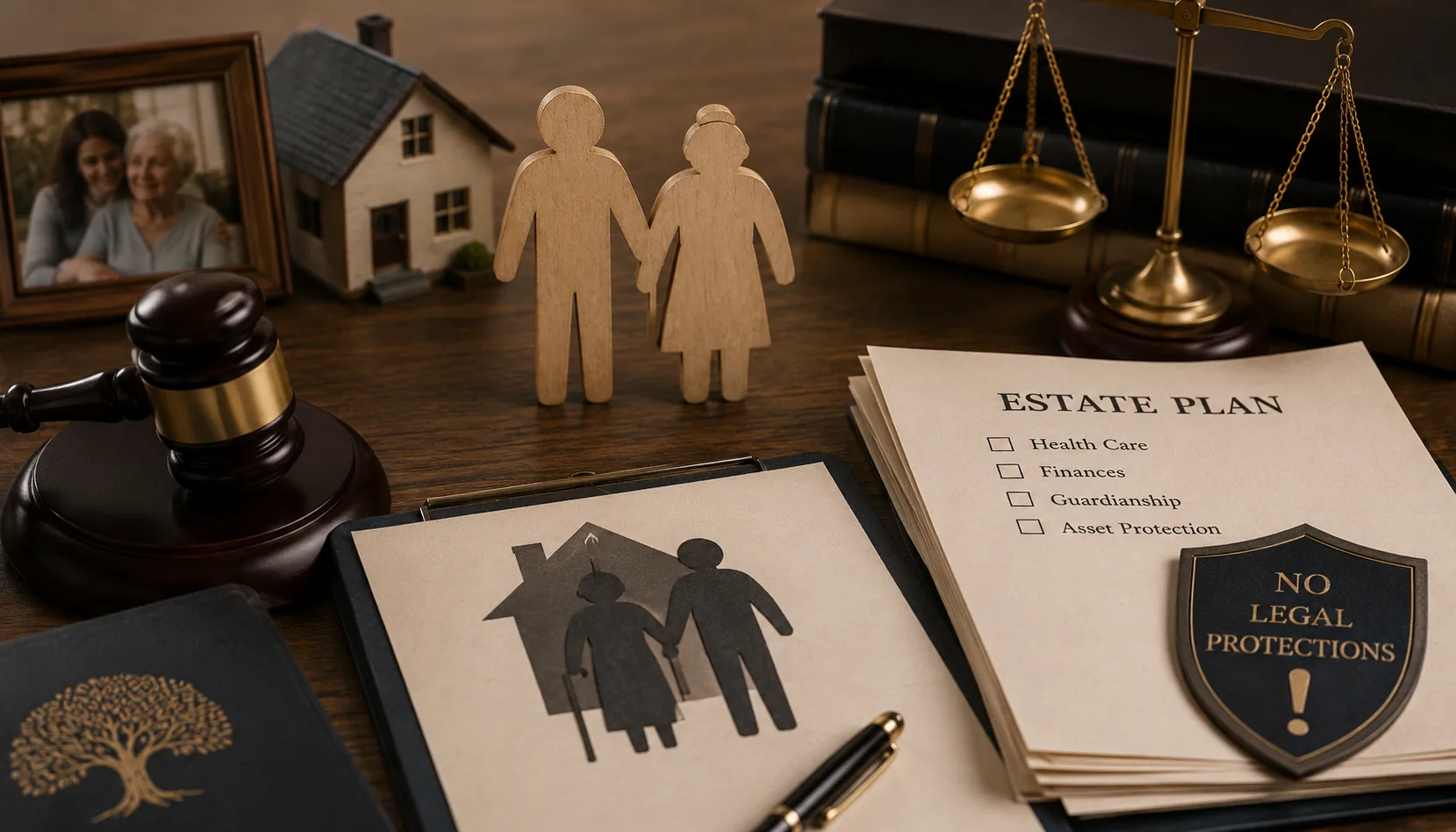
A formal personal care agreement does more than protect the caregiver. It creates a clear record of expectations, compensation, and responsibilities that can reduce conflict among family members and form a solid foundation for related estate planning decisions.
Families who take the time to properly document caregiving arrangements are far better positioned to avoid disputes, protect Medi-Cal eligibility, and ensure that the caregiver’s contributions are honored in a legally enforceable way.
If your family is navigating a caregiving situation—or if you want to make sure an existing arrangement is properly protected—Andrews Law Firm is here to help. Our estate planning attorneys serve families throughout Northern California, including Truckee, Tahoe City, and the surrounding Sierra Nevada region. Contact us to schedule a consultation and get the documentation your family needs.