California Estate Law
Why your estate plan needs a 2026 legal checkup
An estate plan is not something you sign once and forget forever. Even when your documents are still technically valid, they may no longer fit your family
An estate plan is not something you sign once and forget forever. Even when your documents are still technically valid, they may no longer fit your family, your assets, or the way California law works today.
That is why a legal checkup matters in 2026. Over time, people buy and sell property, change beneficiaries, remarry, welcome children or grandchildren, move assets into new accounts, or choose fiduciaries who are no longer the right fit. At the same time, legal rules and practical estate administration issues continue to evolve.
A good estate plan review helps you catch problems before they turn into probate, family conflict, or a court process your loved ones never expected.
What an Estate Plan Checkup Really Means
An estate plan checkup is a review of your current documents and the assets tied to them. The goal is to confirm that your plan still works the way you intended and still reflects your life as it exists now.
That review is not only about reading the trust or will. It should also include how assets are titled, whether beneficiary designations still make sense, whether your chosen agents and trustees are still appropriate, and whether your incapacity planning is complete.
In many cases, a review leads to targeted updates rather than a complete rewrite.
Why 2026 Is a Good Time to Review Your Estate Plan
Many California families have not reviewed their estate plan in years. That alone can create risk. A plan drafted several years ago may still exist on paper, but that does not mean it will work smoothly when your family needs to rely on it.
A 2026 review makes sense because estate planning problems often build quietly. The trust may never have been fully funded. A house may have been refinanced or transferred. A named trustee may have moved away or passed on. A child may now be an adult, or a marriage or divorce may have changed the whole family structure.
The sooner those gaps are found, the easier they usually are to fix.
California Law Can Change Even If Your Life Has Not
One common mistake is assuming no update is needed if nothing major happened in your personal life. But estate planning is shaped by law as well as family circumstances. Court procedures, probate rules, transfer rules, and practical administration standards can change over time.
Even when an older document remains legally recognizable, outdated language or outdated structure can still create confusion, delay, or the need for court involvement.
That is one reason regular reviews matter. A plan should not just exist. It should still work under current California conditions.
Your Assets May No Longer Match the Plan
Asset changes are one of the biggest reasons estate plans become outdated. You may have bought or sold real estate, opened new brokerage or retirement accounts, acquired digital assets, started a business, or changed how property is owned.
If those assets are not coordinated with your plan, the documents may not control them the way you expect. This is especially common with trusts. People often sign a trust but fail to fund it fully, which means some property may still be exposed to probate.
An estate plan review should always look at the assets themselves, not just the documents.
Family Changes Can Make Old Documents Unworkable
Estate plans are built around people. When those people change, the plan may need to change too. Marriage, divorce, remarriage, births, deaths, estrangement, reconciliation, and changed relationships all affect how a plan should work.
You may no longer want the same executor, trustee, agent, or health care decision-maker. You may also want different protections for children, grandchildren, or a blended family.
Old documents often create problems not because they were drafted badly at the time, but because life moved on and the plan did not.
Incapacity Planning Is Often the First Thing to Fail
Many people think of estate planning only as a death issue. In reality, incapacity planning is just as important. A medical crisis, illness, or cognitive decline can create urgent legal problems long before probate is ever relevant.
If your durable power of attorney or advance health care directive is outdated, missing, or names the wrong person, your loved ones may struggle to act for you when quick decisions are needed.
That can force the family toward court involvement that might have been avoided with better planning.
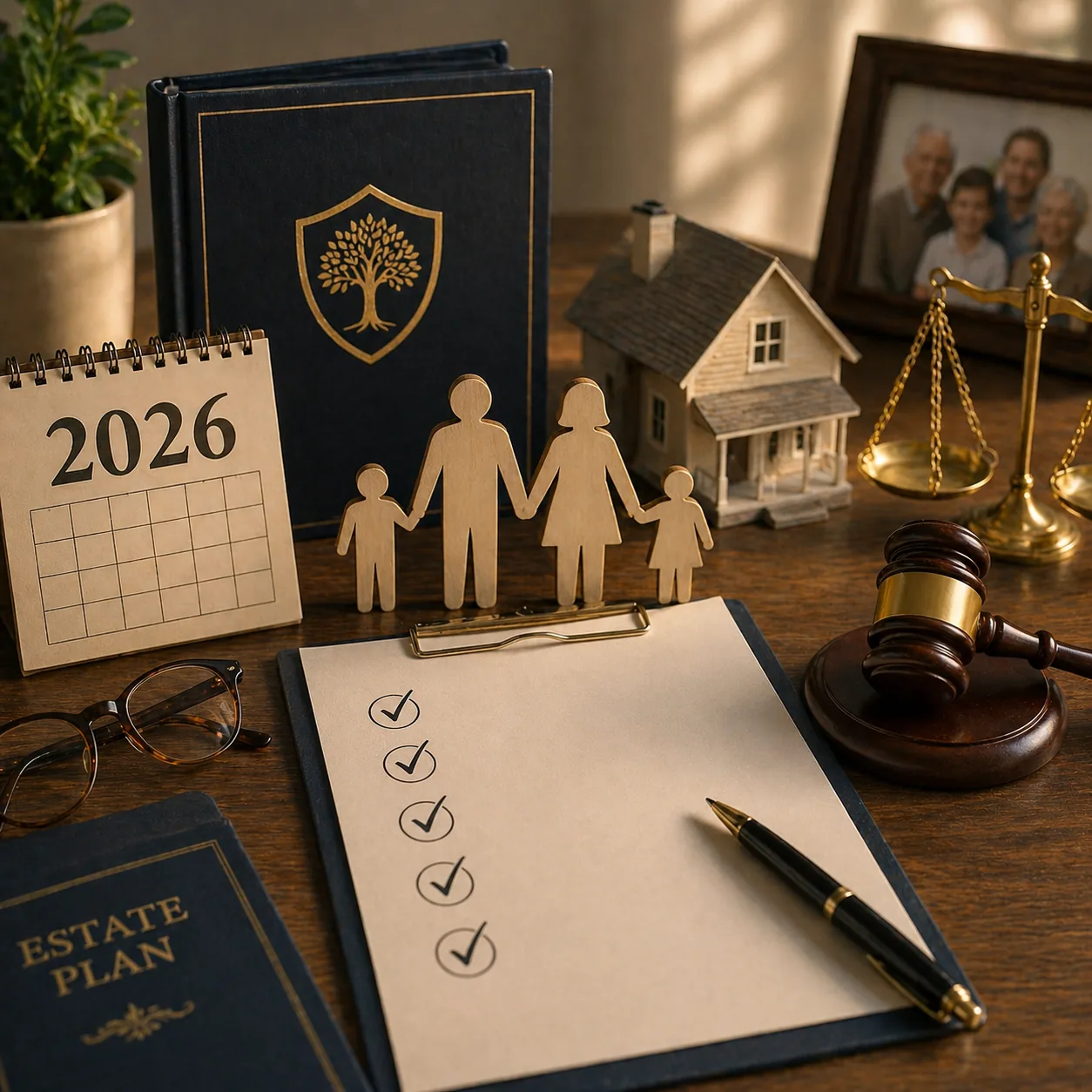
What to Review in a 2026 Estate Plan Checkup
A proper review usually looks at the full estate planning picture, not just one document.
- Revocable living trust and any amendments
- Last will and testament
- Durable power of attorney
- Advance health care directive
- Trust funding and asset titles
- Retirement account and life insurance beneficiaries
- Successor trustee, executor, and agent choices
- Real estate ownership and transfer planning
How Often Should You Review an Estate Plan
A review every few years is a practical rule for many California families. It also makes sense to review your plan after any major life event, asset change, or significant legal development.
You do not need to assume every review means starting over. Many plans only need limited changes. But waiting too long can allow small problems to turn into larger ones.
A checkup is often easier and less expensive than fixing an estate plan after a death, incapacity event, or family dispute.
Can an Older Trust Still Avoid Probate?
Sometimes yes, but not automatically. A trust can only help avoid probate for assets that are properly connected to it. If major assets were never retitled into the trust, or if later-acquired property was left out, the plan may not work the way you expected.
This is one of the most common issues found in estate plan reviews. People often believe they are fully protected because a trust was signed years ago, but the real question is whether the trust was funded and maintained correctly.
That is why a legal checkup is as much about implementation as it is about drafting.
Why California Families Should Not Rely on Assumptions
A lot of estate planning trouble starts with assumptions. Assuming the trust was funded. Assuming the old beneficiary form is still right. Assuming the same trustee is still the best choice. Assuming the law has not changed enough to matter.
A review replaces those assumptions with clarity. It shows whether your plan still protects your family, still reflects your wishes, and still reduces the risk of probate or court involvement.
That kind of clarity is one of the most valuable parts of estate planning.
Why Professional Review Matters
Estate planning is not just about producing documents. It is about making sure the documents, assets, and family structure all work together. A legal review can identify funding issues, outdated appointments, beneficiary conflicts, and gaps in incapacity planning that are easy to miss on your own.
For many families, the goal is not to make the plan more complicated. It is to make it more reliable.
If you want to learn more about wills, trusts, probate, and California estate planning basics, the resources at The Andrews Law Firm website are a helpful place to start.
A Simple Review Now Can Prevent Bigger Problems Later
An estate plan should keep up with your life. If it has been several years since your last review, 2026 is a good time to take another look.
A well-timed checkup can help you protect your family, reduce confusion, and make sure your plan still does what you intended it to do.
Talk With The Andrews Law Firm, P.C.
The Andrews Law Firm, P.C. helps California families review and update wills, trusts, powers of attorney, health care directives, and complete estate plans.
Website: https://theandrewslawfirm.net/
Email: [email protected]
Phone: +1 (530) 550 8736