

Inventory the full estate
Include prior gifts and ownership structures.
Palo Alto · CA · Estate Planning
A high-value home, investments, and business interests can require an estate plan that looks beyond a trust binder. Review transfer goals, federal estate tax exposure, and the effect of proposed gifts.
California legal services · Office in Truckee, California
The purpose of planning is a workable family result, not simply using an advertised tax exemption. The Andrews Law Firm can discuss California estate planning from Truckee, subject to availability. Federal tax calculations, valuations, and proposed transfers should be coordinated with the relevant tax and financial professionals.
California legal guidance tailored to your needs
Include prior gifts and ownership structures.
Consider control, timing, and beneficiary needs.
Review legal and tax consequences before signing.
List real estate, accounts, business interests, relevant trusts, prior gifts, and debts with supporting records. Distinguish household net worth from the analysis needed for a taxable estate. Identify assets or legal connections outside California for appropriate coordination. A valuable primary residence can be a major piece without representing the entire estate. The current federal exemption is $15,000,000 for a U.S.-citizen or U.S.-domiciled decedent dying in 2026; prior taxable gifts and other rules affect the available amount. Do not decide that planning is unnecessary or that tax is certain from the home’s value alone. Ownership and the broader facts matter.

Explain who should receive assets, when they should benefit, and what flexibility you need during life. A proposed trust or gift can affect control and administration as well as taxes. Consider a surviving spouse, children with different needs, and the person expected to manage the estate. The document’s label does not explain all of its consequences. Ask which decisions are reversible, which require additional professional input, and what obligations a proposed structure would create. Planning should begin with those goals rather than selecting a tool before understanding its role.
A lifetime transfer may affect basis, reporting, liquidity, and future flexibility. For 2026, qualifying present-interest gifts have a $19,000 annual exclusion per recipient. Exceeding it does not automatically mean immediate tax; reporting and available lifetime exclusion require analysis. An intention to help a child or reduce an estate does not establish the right asset or timing to use. Discuss the proposed transaction with the appropriate advisers before signing a deed or transferring an interest. Keep records of prior gifts and returns available. A coordinated analysis should examine both the recipient’s position and the resources the donor will retain, without promising a particular tax result.
Larger estates still need correct title, appropriate trust funding, current beneficiary records, and practical incapacity authority. Review a revocable living trust, pour-over will, durable power of attorney, and advance health care directive for their distinct purposes. A tax-focused discussion should not leave the home outside the intended trust or name an unavailable successor. Coordinate the final documents and institutional steps, and retain evidence of completion. Review after major asset or family changes so the detailed planning continues to match the property and people it is meant to address.
Before transferring a valuable interest, ask how the proposal changes control, available cash, future options, and the recipient’s obligations. A strategy that looks attractive under one tax assumption may be impractical if the donor needs the asset or the child cannot manage it. Bring the transaction to the legal and tax advisers before signing. Identify the records and current figures needed for a supported comparison, including prior gifts where relevant. The estate plan should explain what remains available to meet the donor’s needs and eventual estate obligations. No transfer should be selected solely because it appears to use an advertised exemption amount.
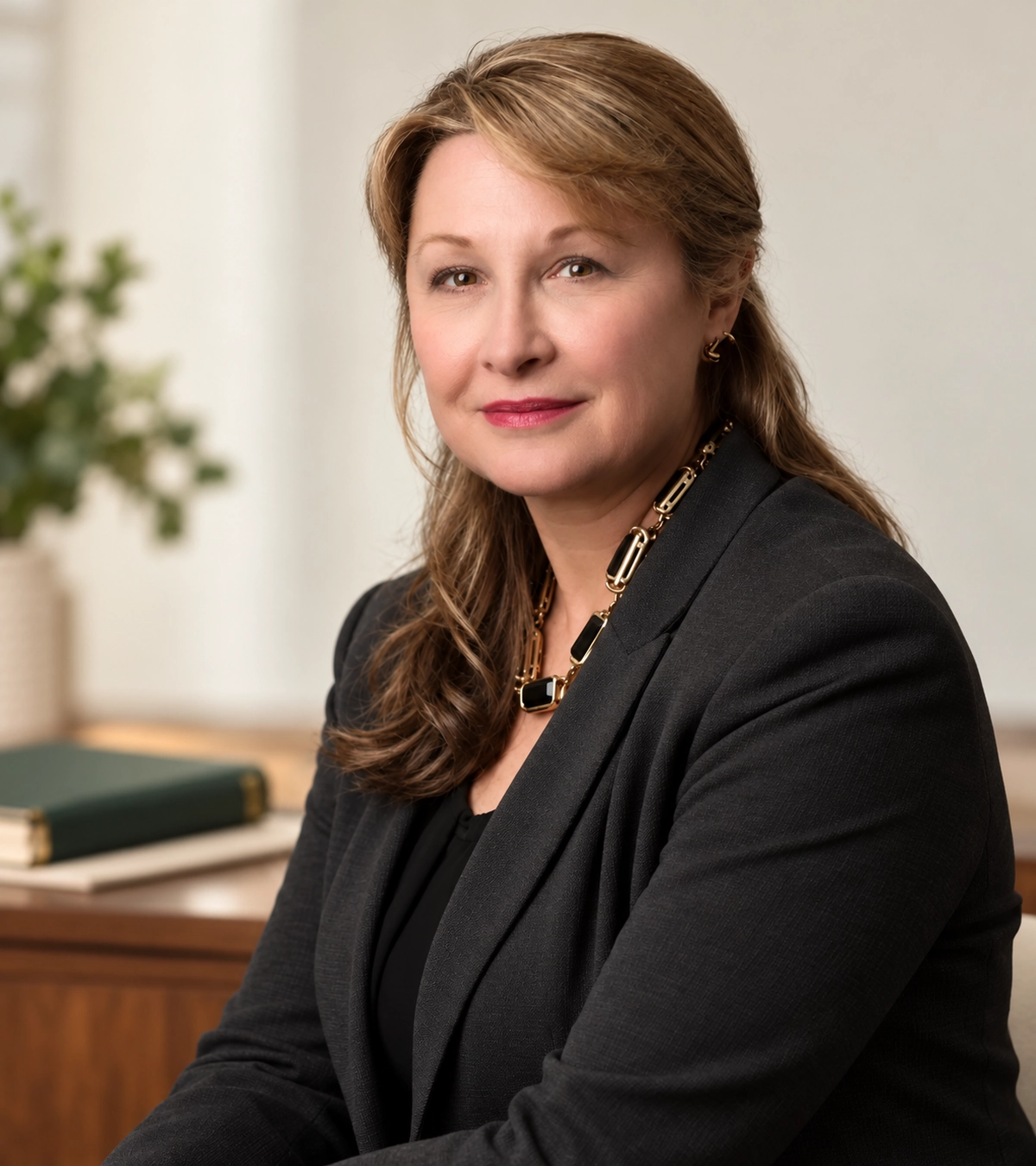 California estate planning counsel
Meet your attorney · The Andrews Law Firm, P.C.
The planning should explain what each step accomplishes and what responsibilities it leaves behind.
Elaine Andrews can discuss California estate documents from Truckee. Confirm availability and the proposed scope.
Identify your tax and financial advisers for necessary coordination.
Talk with ElainePrepare the decisions that need attention
Santa Clara County home ownership is one part of the estate; other assets and prior gifts belong in the same review.
Bring estate documents, deeds, asset summaries, prior gift information, and any proposed transfer.
Mark missing valuations or records rather than treating an estimate as a confirmed figure.
Discuss your estate planCall (530) 550-8736 to talk about your California legal needs.
Planning documents
Instructions for assets properly held by the trustee.
Addresses omitted assets; probate may still be required.
Authority for financial matters within its scope.
Medical wishes and a chosen health care decision maker.
California rules that apply in Santa Clara County
The relevant county is Santa Clara County. Confirm the procedure that fits the documents and assets.
Read the full estate planning guideIdentify the property and applicable venue.
Later amendments and ownership changes may matter.
Include prior gifts and ownership structures.
This testimonial or endorsement does not constitute a guarantee, warranty, or prediction regarding the outcome of your legal matter.
Frequently asked questions
Our Truckee office
10270 Donner Pass Road
Truckee, CA 96161
Contact the Truckee office about consultation arrangements and whether the firm can assist with your matter.
Request a consultationBring your questions, your documents and the decisions you want help with. The first consultation is free.
This page provides general information, not legal advice. Contacting us does not create an attorney-client relationship.


