

Confirm the asset
Read title and trust documents together.
Oakland · CA · Living Trusts
Keeping the family home out of probate starts with a trust that is properly connected to the deed. Review title, funding, and the instructions your successor will need.
California legal services · Office in Truckee, California
An older family property can pass through refinances, ownership changes, and new estate documents without anyone checking the final title. The Andrews Law Firm can discuss California trust planning from its Truckee office, subject to availability. The review should establish both the intended inheritance and whether the trust actually holds the property.
California legal guidance tailored to your needs
Read title and trust documents together.
Track recording and related follow-through.
Give the successor clear property instructions.
Locate the newest recorded deed and the transactions that led to it. Identify all named owners and whether any trustee designation matches the operative trust. A family member may remember signing a transfer that was never completed, or refinancing may have introduced another title question. Do not choose the answer from memory. The trust, amendments, and deed need to be read together. If only part of the property belongs to the proposed trust maker, the planning work must recognize that limit instead of treating the entire house as available to transfer.
Funding the trust does not by itself explain what the successor should do about relatives living in the property. Discuss the intended housing result, expenses, management responsibilities, and any relevant agreements while the owner can clarify the wishes. The trust terms and legal structure should be reviewed rather than replaced by a vague promise that the family can stay. Keep occupancy records with the planning information. If a future sale is contemplated, address the practical concerns without promising a particular outcome. The successor should be able to distinguish the owner’s instructions from expectations created informally by different relatives over many years.
A trust transfer generally requires attention to the appropriate deed, recording in Alameda County, and related documentation. Review financing, insurance, ownership agreements, and tax questions that could be relevant to the proposed transfer. A trust schedule is useful context but does not by itself confirm recorded trustee ownership. Ask who is responsible for preparing, executing, submitting, and confirming the necessary steps. Retain the completed evidence so the successor can demonstrate what the trust owns without rebuilding the transaction history during an already difficult period.
Discuss whether the successor should retain, sell, or distribute the property and who is expected to benefit. If several relatives live there, clarify the intended effect on their housing and expenses. A trust does not automatically resolve disagreements among beneficiaries about use or management. Those issues deserve consideration in the legal structure and practical planning. Identify money for carrying costs where available, and avoid promising that everyone can keep the home without examining affordability. The trust should support a considered decision rather than postpone every difficult choice.
A later deed, refinance, new co-owner, or property replacement can affect the trust’s ownership connection. Review the final records rather than assuming the lender or another party handled the estate plan. Financial accounts and beneficiary designations need separate coordination; retirement accounts should not be casually retitled. A pour-over will may direct omitted property but can still require probate. Keep the current trust, recorded documents, and adviser contacts together. Review them when ownership or family circumstances change so the plan continues to fit the property and intended recipients.
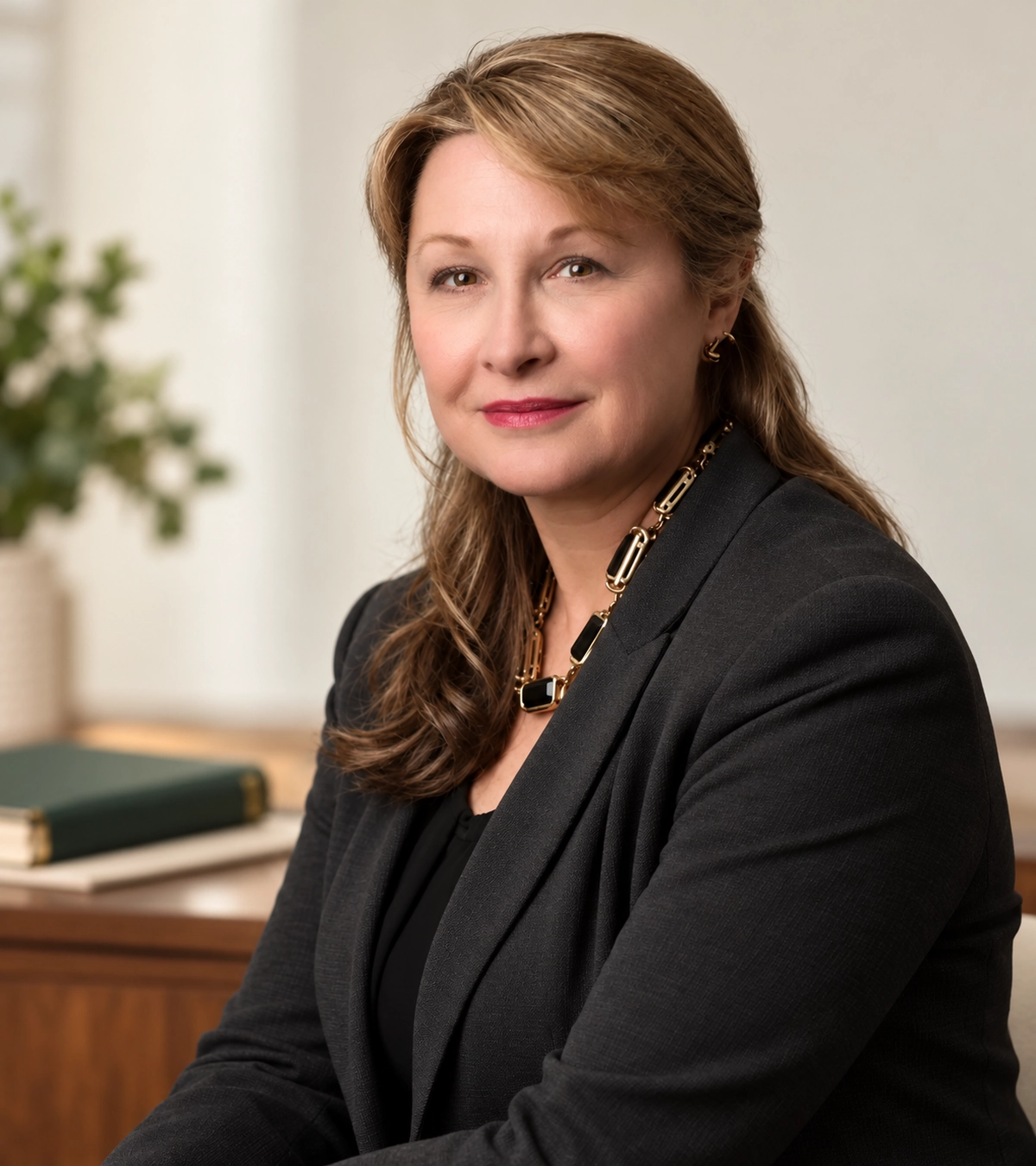 California estate planning counsel
Meet your attorney · The Andrews Law Firm, P.C.
A funded trust should leave the family with evidence and direction, not another unexplained title question.
Elaine Andrews can review California trust and home ownership issues from Truckee. Ask about availability for your matter.
Bring the most recent recorded deed and the complete trust.
Talk with ElainePrepare the decisions that need attention
The Alameda County home may have ownership interests or transactions that an old trust schedule does not explain.
Provide trust versions, deeds, refinancing papers, and any co-owner agreements.
Describe the intended use or sale of the home after the owner’s death.
Review your living trustCall (530) 550-8736 to talk about your California legal needs.
Funding checklist
California rules that apply in Alameda County
The relevant county is Alameda County. Confirm the procedure that fits the documents and assets.
Read the full living trusts guideIdentify the property and applicable venue.
Later amendments and ownership changes may matter.
Read title and trust documents together.
This testimonial or endorsement does not constitute a guarantee, warranty, or prediction regarding the outcome of your legal matter.
Frequently asked questions
Our Truckee office
10270 Donner Pass Road
Truckee, CA 96161
Contact the Truckee office about consultation arrangements and whether the firm can assist with your matter.
Request a consultationBring your questions, your documents and the decisions you want help with. The first consultation is free.
This page provides general information, not legal advice. Contacting us does not create an attorney-client relationship.


