

Confirm trust ownership
Compare the deed with the operative instructions.
San Francisco · CA · Living Trusts
A valuable home can make a missing trust-funding step consequential. Review how a revocable living trust connects to your deed before relying on it to keep the property out of probate.
California legal services · Office in Truckee, California
Probate costs can be important to a homeowner’s planning decision, but a trust should be reviewed for more than an advertised savings figure. The Andrews Law Firm can discuss California trust questions from Truckee, subject to availability for your matter. This page does not claim a San Francisco office or a predetermined probate cost.
California legal guidance tailored to your needs
Compare the deed with the operative instructions.
Use estate-specific facts and verified statutory figures.
Keep proof of completed transfers.
A revocable living trust provides instructions for property properly held in it and a role for a successor trustee. It may help keep funded assets out of probate. It does not automatically control an asset left in an individual name merely because a binder lists it. Obtain the latest deed and compare it with the operative trust. If a purchase or refinance occurred after signing, review those records too. The planning discussion should identify whether trust ownership was completed, not simply whether the homeowner paid for trust documents.
California Probate Code §10810 addresses statutory attorney compensation in probate. At a $1,000,000 statutory probate fee base, ordinary attorney compensation computes to $23,000; the personal representative’s statutory compensation is separate. These figures illustrate the statute, not the firm’s quote or the cost of trust administration. Estate value, ownership, services, and other expenses need individual consideration. Do not assume an online example is a quote for your estate or that it includes every cost of a property transaction. A trust also has administration requirements and potential expenses after death. Compare the supported planning options without describing one as eliminating all legal work or promising a fixed dollar saving.
When comparing a trust proposal with a probate example, identify the assumptions behind both. Ask which assets are included, what ownership is assumed, which statutory figures require confirmation, and what other work or expenses remain. A cost illustration can inform a question without becoming a promise of savings. Trust administration, tax advice, valuations, and property transactions may still require professional assistance. The review should also address funding, successor authority, and beneficiary instructions. A plan chosen solely from an attractive fee comparison may leave those tasks unfinished. Retain a clear explanation of the proposed work and completed ownership steps so the family understands the practical result, not simply the advertised price difference.
Explain whether the property should be sold or retained, who can manage it, and what the recipients are expected to receive. A valuable home may not provide cash for expenses or equalization among beneficiaries. Consider these practical limits alongside successor appointments and the trust’s terms. Review financial powers and an advance health care directive separately for incapacity planning. A trust is part of the coordinated arrangement, not a replacement for every legal document. The structure should reflect the result you want while accounting for the property you actually own.
Review the appropriate deed and recording work for the city property, along with any required supporting documentation. Ask about financing, insurance, and tax questions affected by the proposed transfer rather than assuming none arise. Keep the recorded copy and current trust together. Coordinate accounts and beneficiary designations without casually retitling retirement assets. A pour-over will may provide a backstop for omitted property but may still involve probate. Recheck ownership after later transactions so the plan does not lose its connection to the home over time.
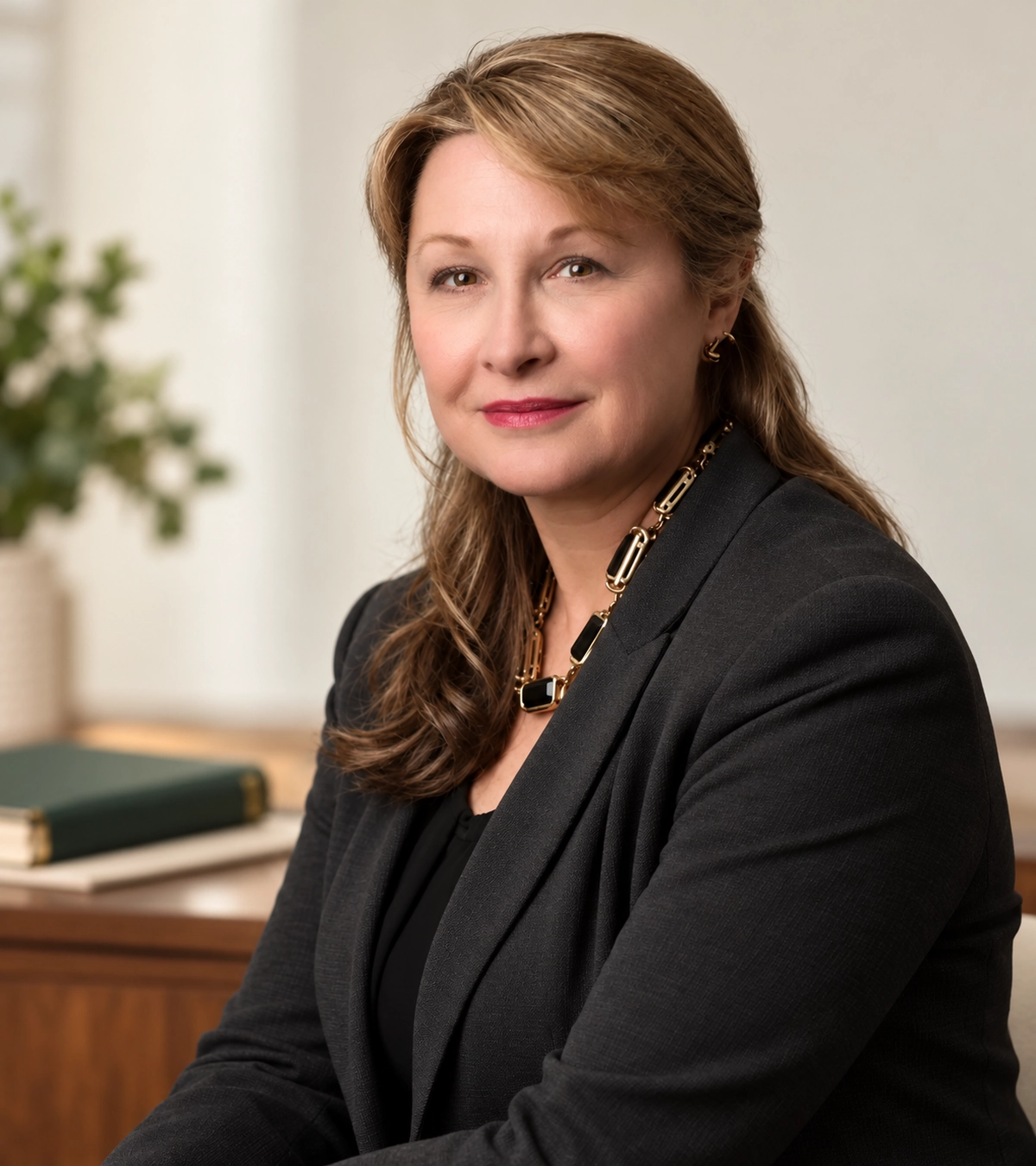 California estate planning counsel
Meet your attorney · The Andrews Law Firm, P.C.
The important result is a usable trust supported by a completed title record.
Elaine Andrews can discuss California trust planning from Truckee. Ask about service availability and meeting arrangements.
Bring the full documents before comparing proposed strategies or cost claims.
Talk with ElainePrepare the decisions that need attention
The city property requires its own ownership and recording review even when the trust also holds a second home elsewhere.
Provide current title, trust versions, recent transaction papers, and the intended beneficiaries.
Request an explanation of drafting, funding, and later administration as separate parts of the plan.
Review your living trustCall (530) 550-8736 to talk about your California legal needs.
Funding checklist
California rules that apply in City and County of San Francisco
The relevant county is San Francisco County. Confirm the procedure that fits the documents and assets.
Read the full living trusts guideIdentify the property and applicable venue.
Later amendments and ownership changes may matter.
Compare the deed with the operative instructions.
This testimonial or endorsement does not constitute a guarantee, warranty, or prediction regarding the outcome of your legal matter.
Frequently asked questions
Our Truckee office
10270 Donner Pass Road
Truckee, CA 96161
Contact the Truckee office about consultation arrangements and whether the firm can assist with your matter.
Request a consultationBring your questions, your documents and the decisions you want help with. The first consultation is free.
This page provides general information, not legal advice. Contacting us does not create an attorney-client relationship.


