

Trust funding
Align the deed with the intended trust ownership.
Soda Springs · CA · Living Trusts
A trust can address who receives the cabin; a cabin agreement can address how people share it. Review both before handing the next generation a set of unresolved decisions.
California legal services · Office in Truckee, California
Putting a multigenerational cabin into a revocable living trust is more than adding its name to a schedule. The deed, trust instructions, and any agreement among siblings should tell a consistent story. Elaine Andrews can help review the California ownership and estate-planning questions so the transfer supports the way you want the property managed.
California legal guidance tailored to your needs
Align the deed with the intended trust ownership.
Address costs, reservations, and decision rules.
Consider how a beneficiary can leave the arrangement.
Find the current deed and identify every owner. A parent’s trust cannot be assumed to control shares owned independently by adult children or other relatives. Review the legal description and any prior transfer before preparing a deed to the trustee. Recording requirements for the Nevada County property need attention as part of that work. Keep the completed ownership evidence with the trust. A general assignment or family understanding may be relevant, but should not replace analysis of the actual real estate title.
A cabin agreement written for today’s siblings may say little about what happens when an interest passes to a spouse, child, or trust. Review how the agreement relates to inheritance provisions and what would be required for a future owner to participate. Ask whether the intended restrictions and obligations are supported by the legal structure instead of assuming the agreement follows every transfer automatically. Keep executed versions with the ownership records and identify who may approve changes. This gives later advisers the evidence needed to understand the arrangement. It also helps distinguish a useful family operating plan from a set of preferences that may no longer fit the people who inherit.
The trust can describe who benefits and what authority a successor has under its terms. Discuss whether the property should remain held, be distributed, or be sold in stated circumstances. If the plan depends on other assets paying cabin expenses, identify those assets and the intended arrangement. A promise that the family will always have a cabin can be difficult to administer without money or decision rules. The instructions should account for practical limits rather than leaving the successor with an expectation they cannot reliably fulfill.
A cabin agreement may address reservations, guests, cleaning, maintenance approvals, contributions, and responses to nonpayment. Review its relationship to the trust and other ownership documents instead of treating it as a substitute for them. Ask who must agree to a change and how a future owner becomes subject to the arrangement. Siblings can have different resources and usage patterns. Discuss those differences explicitly so the proposed rules do not rely on everyone having the same schedule, budget, or willingness to take on repairs.
Generational ownership changes over time. A beneficiary may move away, need money, or prefer not to participate. Consider how an interest could be valued and purchased, who has priority to buy, and what occurs if no one can fund the buyout. Avoid fixing a price casually without considering future circumstances. Review the trust and agreement after family deaths, new purchases, or ownership changes. A pour-over will remains a possible backstop for omitted assets, but does not replace appropriate trust funding.
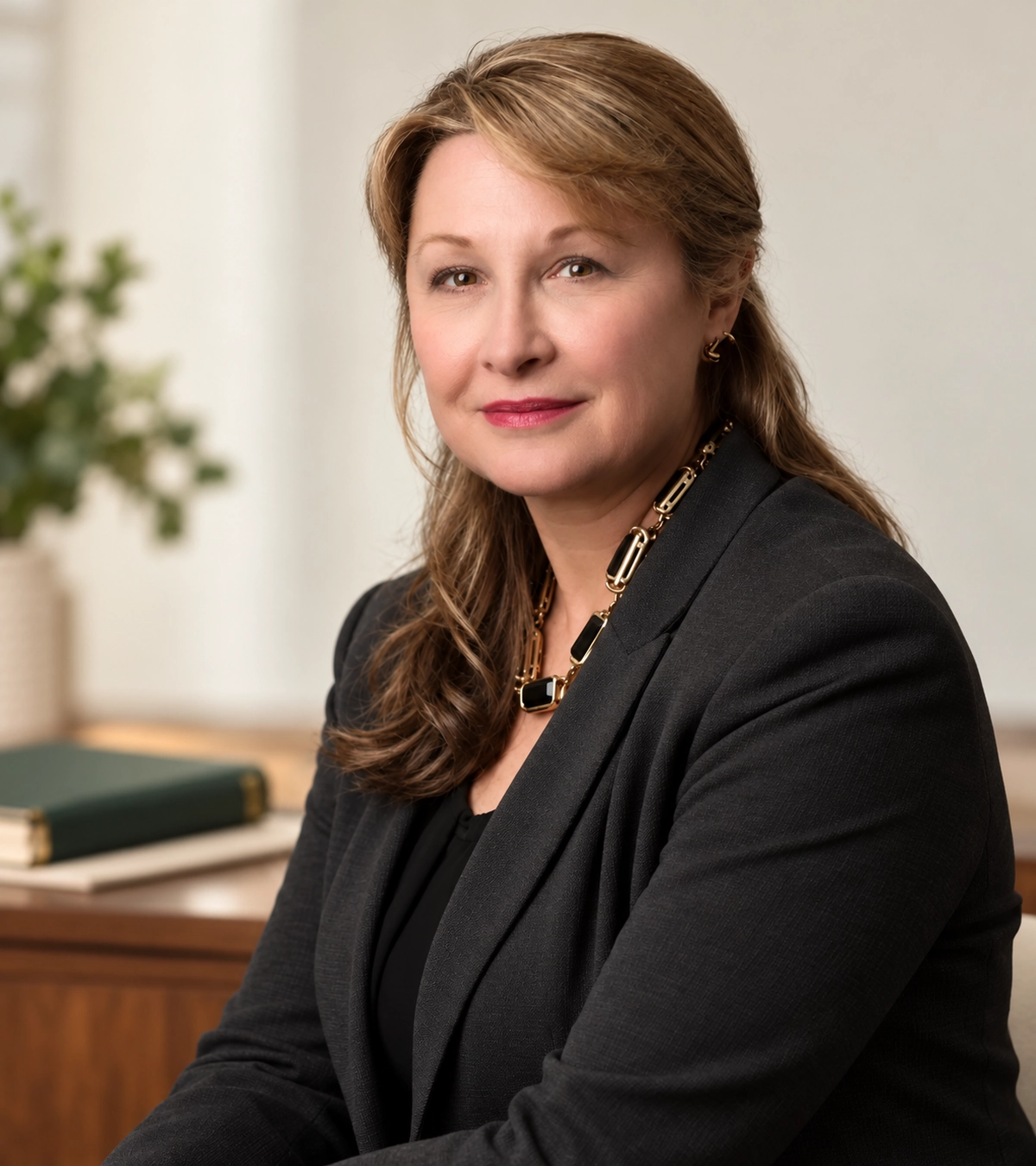 California estate planning counsel
Meet your attorney · The Andrews Law Firm, P.C.
The cabin’s future depends on documents that address ownership and everyday cooperation.
The Andrews Law Firm can examine the California trust, deed, and proposed shared-use terms from Truckee.
Bring the complete agreement, including informal drafts that reveal unresolved issues.
Talk with ElainePrepare the decisions that need attention
A Nevada County cabin may involve several generations of ownership documents; verify the interest before making another transfer.
Provide the current trust, amendments, deed, family agreement, and expense records.
Identify whether the desired result is continued trust ownership or distribution to individual heirs.
Review your living trustCall (530) 550-8736 to talk about your California legal needs.
Funding checklist
California rules that apply in Nevada County
The relevant county is Nevada County. Confirm the procedure that fits the documents and assets.
Read the full living trusts guideIdentify the property and applicable venue.
Later amendments and ownership changes may matter.
Align the deed with the intended trust ownership.
This testimonial or endorsement does not constitute a guarantee, warranty, or prediction regarding the outcome of your legal matter.
Frequently asked questions
Our Truckee office
10270 Donner Pass Road
Truckee, CA 96161
Contact the Truckee office about consultation arrangements and whether the firm can assist with your matter.
Request a consultationBring your questions, your documents and the decisions you want help with. The first consultation is free.
This page provides general information, not legal advice. Contacting us does not create an attorney-client relationship.


