

Identify the gap
Review assets left outside intended arrangements.
Palo Alto · CA · Probate
A high-value estate can still enter probate when ownership and beneficiary records were never completed. Review the present transfer process and the funding gap that caused it.
California legal services · Office in Truckee, California
An estate may have extensive documents and still contain an individually owned home or account that needs court administration. The Andrews Law Firm can discuss California probate from Truckee, subject to availability. The immediate work is to establish the correct procedure and authority; future planning for survivors is a separate conversation.
California legal guidance tailored to your needs
Review assets left outside intended arrangements.
Separate trustee and probate representative authority.
Connect collections with final administration requirements.
Obtain current deeds, account ownership records, beneficiary confirmations, the will, and complete trust documents. A trust’s existence does not prove that every asset was funded, and an estate’s value does not determine every transfer route. Review omissions, later purchases, refinancing, and changes in account title. A possible trust ownership petition or another alternative should be considered only when supported by the facts. The qualifying primary-residence petition ceiling is $750,000 for deaths on or after April 1, 2025. A more valuable home cannot use that procedure merely because the family agrees on the inheritance. The estate needs a documented assessment rather than a conclusion based on the quality of the binder.

For an appropriate local proceeding, the court is the Superior Court of California, County of Santa Clara. Review the proposed representative, any existing filings, notices, and the authority required to collect or transact estate assets. A trustee may have authority over trust property without having the same role over probate assets. A person named executor still needs the required appointment. Identify both roles clearly if one person is expected to serve in each capacity, and keep the records and transactions appropriately organized.
Compare the trust-signing date with the purchase, refinance, and recorded-title history of each significant property. Identify whether a later transaction created the gap now being reviewed. Keep executed instruments separate from unsigned drafts and retain the correspondence that explains their purpose. If another owner or entity participated, obtain those documents too. A chronological record can help counsel distinguish an omitted funding step from a different intended ownership arrangement. It also prevents the estate from relying on a general asset list that predates the property or on a transaction summary that leaves out the deed actually recorded.
A valuable estate may require careful inventory and appraisal work, tax coordination, and management of property expenses. Statutory compensation: the ordinary-services schedule under Probate Code §§10800 and 10810. Court and transaction costs may be separate. If a sale is proposed, establish the representative’s authority and applicable procedure before signing. Cash needs should be reviewed alongside the estate’s obligations rather than solved with informal distributions or personal advances that go undocumented. Obtain appropriate advice on values and taxes without assuming that probate creates a particular tax saving or eliminates exposure.
Notices, valid debts, expenses, tax matters, accounting, and court requirements can remain after a sale or collection. No single completion date fits every estate, particularly when records or ownership are disputed. Maintain the administration record until the required transfers and discharge work are complete. Later, a survivor’s estate review can address funding checklists, current beneficiary records, and future transaction reviews. That planning may reduce a similar gap, but it should not be confused with retroactively fixing every asset in the estate now being administered.
If one person serves as trustee and probate representative, prepare an inventory that distinguishes the property and transactions associated with each role. Shared personnel do not make the legal arrangements identical. Ask how expenses, advances, reimbursements, collections, and distributions should be recorded. Do not move funds between arrangements casually to simplify bookkeeping. Bring proposed transactions and existing records to counsel before they become difficult to reconstruct. Clear separation helps the administration explain who acted, under what authority, and for which asset. It also makes later accounting and coordination with tax professionals more reliable than a single undifferentiated family ledger.
 California estate planning counsel
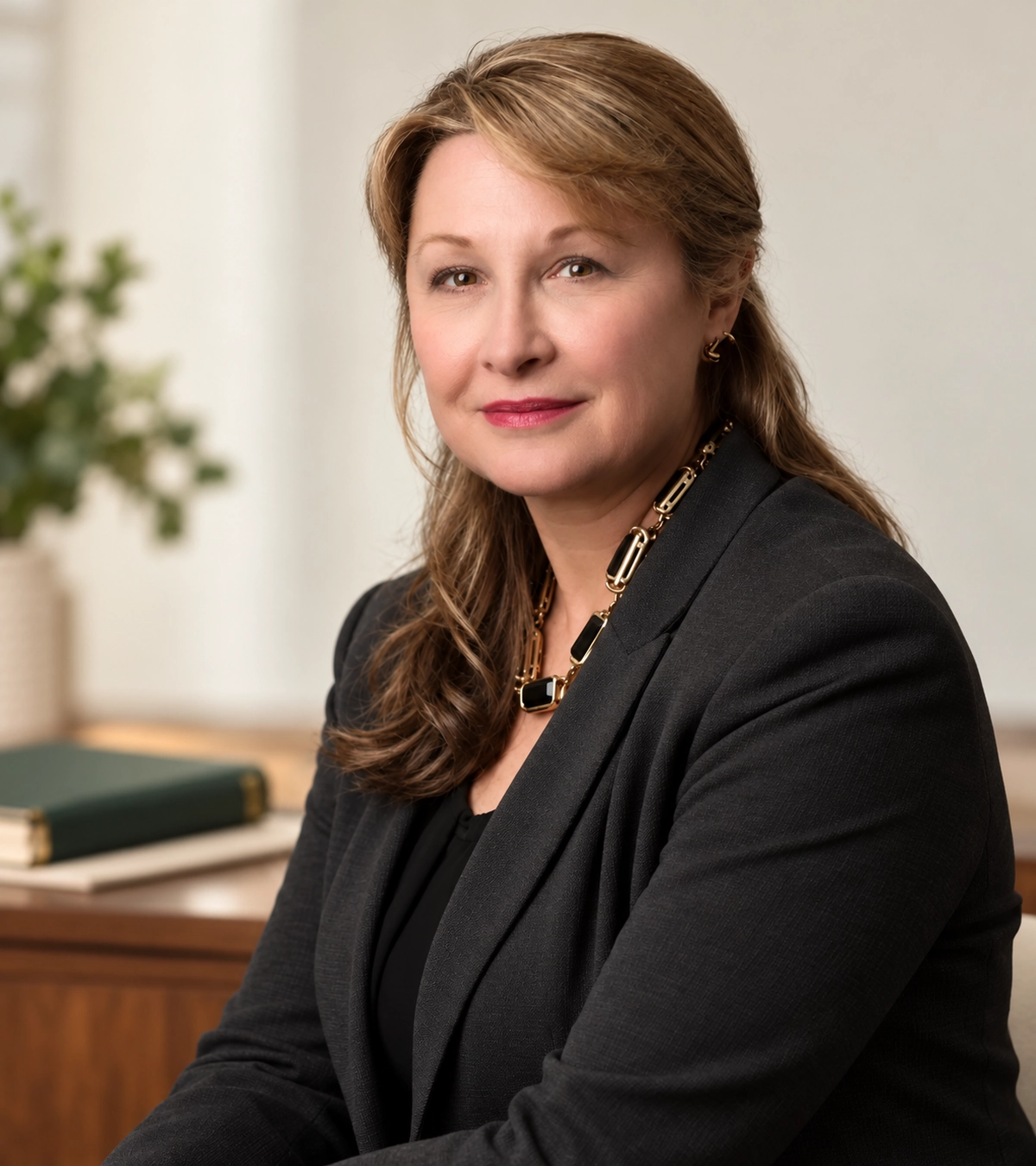
Meet your attorney · The Andrews Law Firm, P.C.
The current estate needs a supported transfer process, even when the original plan was extensive.
Elaine Andrews can discuss California probate questions from the Truckee office. Confirm availability and scope.
Explain which trust or estate work has already begun.
Talk with ElainePrepare the decisions that need attention
Santa Clara County probate can involve property that was intended for a trust but never properly transferred.
Bring title records, trust versions, wills, beneficiary records, valuations, and any court papers.
Identify sales, tax questions, or requests for funds that require prompt review.
Discuss the probate processCall (530) 550-8736 to talk about your California legal needs.
Estate administration
| Statutory fee base | Personal representative | Attorney | Combined |
|---|---|---|---|
| $1,000,000 | $23,000 | $23,000 | $46,000 |
Probate Code §§10800 and 10810 use 4% of the first $100,000, 3% of the next $100,000, and 2% of the next $800,000. The example assumes both full ordinary awards are approved. The statutory base is not reduced by mortgages. Court expenses and any extraordinary compensation are separate; this is not a fee quote.
California rules that apply in Santa Clara County
The relevant county is Santa Clara County. Confirm the procedure that fits the documents and assets.
Read the full probate guideIdentify the property and applicable venue.
Later amendments and ownership changes may matter.
The estate, residence, property location, and requested relief determine the appropriate court procedure.
This testimonial or endorsement does not constitute a guarantee, warranty, or prediction regarding the outcome of your legal matter.
Frequently asked questions
Our Truckee office
10270 Donner Pass Road
Truckee, CA 96161
Contact the Truckee office about consultation arrangements and whether the firm can assist with your matter.
Request a consultationBring your questions, your documents and the decisions you want help with. The first consultation is free.
This page provides general information, not legal advice. Contacting us does not create an attorney-client relationship.


