

Check each account
Verify ownership and effective beneficiary records.
San Jose · CA · Probate
An account without a valid beneficiary or trust title can become an unexpected probate issue. Review the actual ownership and California transfer options before treating the balance as immediately available to heirs.
California legal services · Office in Truckee, California
A family may discover bank, brokerage, or compensation-related records after a death without knowing which assets require court administration. The Andrews Law Firm can discuss California probate from Truckee, subject to availability. Start with current records, not the assumption that every account follows the will or every employer benefit follows the same process.
California legal guidance tailored to your needs
Verify ownership and effective beneficiary records.
Consider the complete eligibility picture.
Keep collections within the estate administration.
Obtain statements, title information, beneficiary confirmations, and any institution correspondence. Distinguish an account held by the trust from an individually owned account, a joint arrangement, or a benefit governed by separate plan terms. A beneficiary field that is missing, outdated, or ineffective can raise different questions. Do not infer the legal recipient from who has access to the account or receives email notices. The review should establish which assets need a probate transfer and which may follow another supported route.

An old planning note may name a beneficiary while the institution has no effective designation on file. Obtain the current record and any relevant correspondence rather than treating either source as conclusive without review. Identify what was signed, submitted, accepted, or changed and preserve the documents. A disputed or uncertain designation can affect the transfer analysis and may require additional legal work. Do not distribute the account based on a remembered intention. The estate review should establish the supported route and authority while any employer-plan or institution-specific questions are addressed by the appropriate professionals.
An institution may supply a current balance without explaining how the account was titled when the owner died. Ask for the relevant ownership and designation records, along with correspondence explaining any rejection or missing form. Distinguish later deposits, account closures, and transfers from the asset held at death. Keep the source and date of each statement identifiable. A relative’s screenshot may help locate an account but should not become the sole basis for deciding its recipient. This evidence allows the representative and advisers to investigate the actual transfer issue instead of treating a changing dashboard balance as the legal estate inventory.
Consider relevant assets together under the rules of the proposed procedure rather than using the balance of one account in isolation. Date of death, ownership, asset type, and value can affect eligibility. For deaths on or after April 1, 2025, the §13100 personal-property affidavit ceiling is $208,850 using the required statutory calculation and exclusions. An account balance alone does not establish eligibility. An institution’s request for letters should be reviewed in context, not treated as proof that full probate is the only possible route. Gather any will and trust documents so counsel can evaluate the available procedures and the person entitled to pursue them.
For an appropriate local probate, the court is the Superior Court of California, County of Santa Clara. Review appointment, notices, and the authority required to collect or manage estate assets. A person nominated in a will should not assume unrestricted access before completing the required steps. Identify any compensation plan, option, or restricted award needing prompt separate review. California probate authority and an employer plan’s contractual requirements may address different issues, so the representative should coordinate rather than substitute one for the other.
Once assets are collected, they remain subject to the estate’s administration requirements. Review inventory and valuation work, valid debts, expenses, tax coordination, accounting, and distribution procedure. Statutory compensation: the ordinary-services schedule under Probate Code §§10800 and 10810. A beneficiary’s need for money does not automatically justify an immediate payment. Maintain estate records separately from personal funds and retain institutional communications. Ask for a sequence based on this estate’s facts, because missing documents, disputed designations, court scheduling, and other obligations can affect the work and timing.
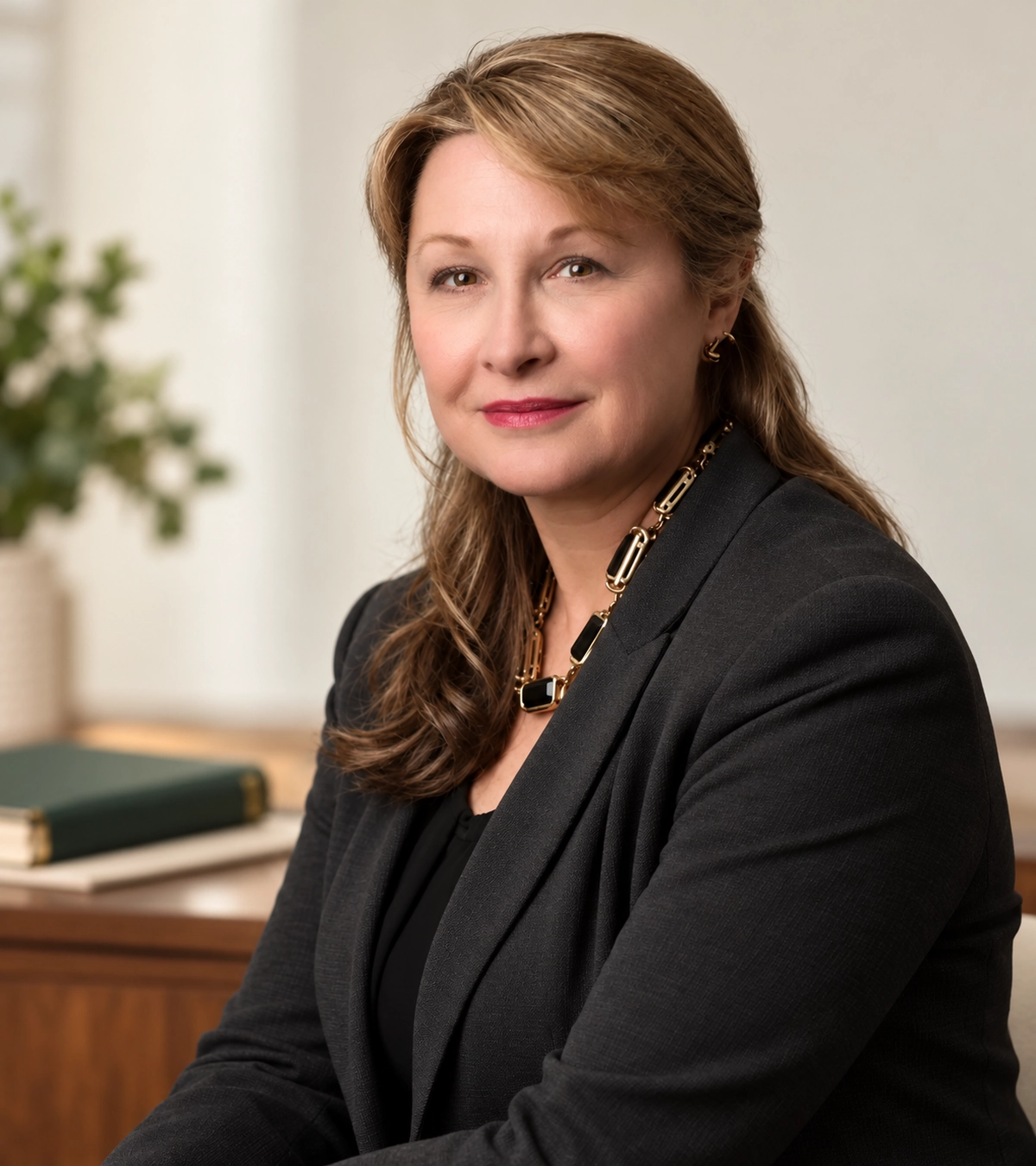 California estate planning counsel
Meet your attorney · The Andrews Law Firm, P.C.
A careful account review can reveal the real transfer issue before the family commits to a procedure.
Elaine Andrews can discuss California probate questions from Truckee. Confirm availability for the proposed engagement.
Bring any request from a bank, brokerage, or employer administrator.
Talk with ElainePrepare the decisions that need attention
Santa Clara County court procedure does not replace the need to read the account and compensation records.
Gather statements, designations, plan documents, estate documents, and death information.
Identify any transfer already made or distribution already promised.
Discuss the probate processCall (530) 550-8736 to talk about your California legal needs.
Estate administration
| Statutory fee base | Personal representative | Attorney | Combined |
|---|---|---|---|
| $1,000,000 | $23,000 | $23,000 | $46,000 |
Probate Code §§10800 and 10810 use 4% of the first $100,000, 3% of the next $100,000, and 2% of the next $800,000. The example assumes both full ordinary awards are approved. The statutory base is not reduced by mortgages. Court expenses and any extraordinary compensation are separate; this is not a fee quote.
California rules that apply in Santa Clara County
The relevant county is Santa Clara County. Confirm the procedure that fits the documents and assets.
Read the full probate guideIdentify the property and applicable venue.
Later amendments and ownership changes may matter.
The estate, residence, property location, and requested relief determine the appropriate court procedure.
This testimonial or endorsement does not constitute a guarantee, warranty, or prediction regarding the outcome of your legal matter.
Frequently asked questions
Our Truckee office
10270 Donner Pass Road
Truckee, CA 96161
Contact the Truckee office about consultation arrangements and whether the firm can assist with your matter.
Request a consultationBring your questions, your documents and the decisions you want help with. The first consultation is free.
This page provides general information, not legal advice. Contacting us does not create an attorney-client relationship.


