California Estate Law
What Happens If Your Living Trust Is Never Funded?
Living trust not funded? Find out what it means, what gets missed, and how to fix it fast.
A living trust not funded is one of the most common estate planning mistakes, because signing the trust feels like finishing the job when it usually is not. If your assets never make it into the trust, the trust may sit there like an empty moving truck in the driveway, perfectly built, but carrying nothing that matters.
What it means when a living trust is “not funded”
A living trust only controls assets that have actually been transferred into it. The trust document sets the rules, names the trustee, and explains who should receive property later. But until ownership changes in the real world, the trust often has no practical power over those assets.
Funding a trust means moving assets into the trust’s name or lining up beneficiary designations and supporting documents so your overall plan works the way you intended. For some assets, that means changing title. For others, it means checking forms and making sure nothing points in the wrong direction.
Signing the trust is not the same as funding it
Here’s the core misunderstanding: creating a trust and funding a trust are two different steps.
Signing the document creates the legal container. Funding it puts something inside that container. If you stop after signing, your plan may look complete in a binder on a shelf, but legally, your house, account, or business interest may still belong to you as an individual.
That is why an unfunded trust can fail at the very thing you created it to do.
What “funding” usually looks like in real life
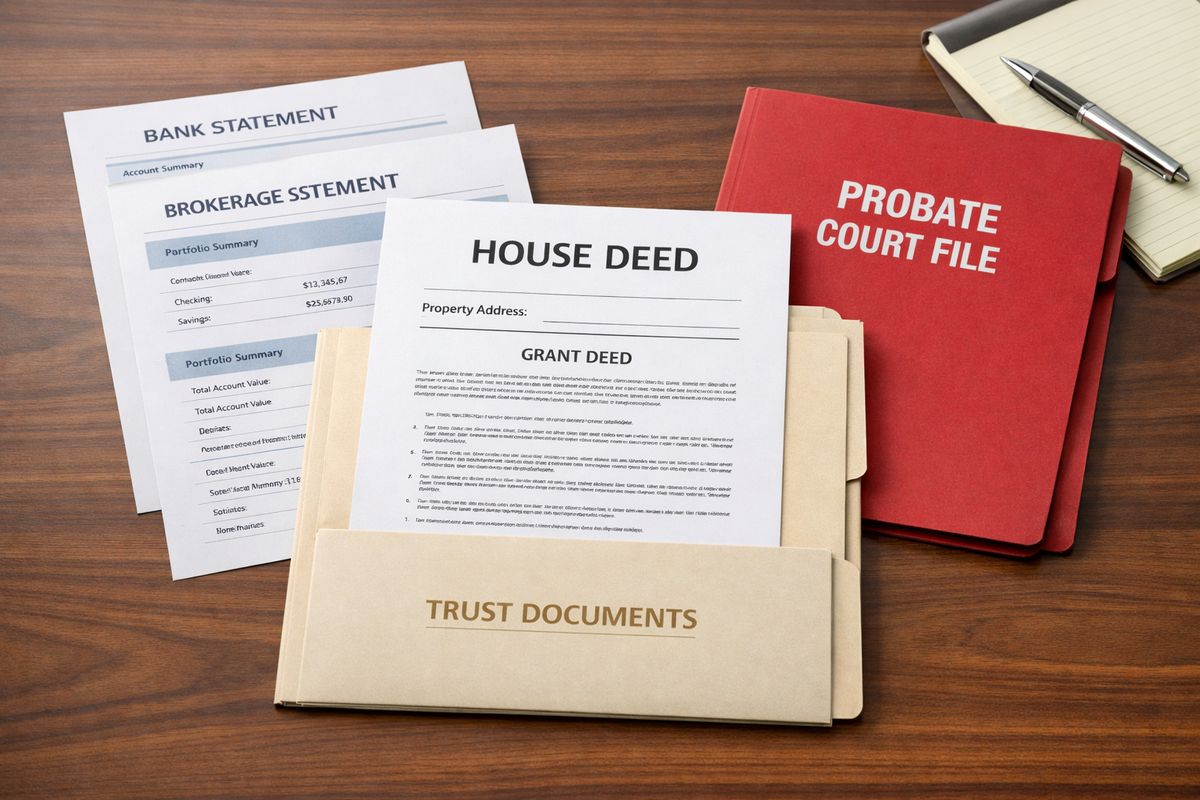
In practice, funding usually means recording a new deed for real estate, retitling certain bank or brokerage accounts, assigning business interests, and signing related transfer documents for personal property. If you own a home in Truckee, a condo near Lake Tahoe, or a house in the Bay Area, the deed matters more than the trust language alone.
If you want a closer look at the actual process, moving assets into the trust the right way usually starts with a title-by-title review, not just a document signing.

What happens if your living trust is never funded
If your trust is never funded, it often does not avoid probate for the assets left outside it. That is the plain answer, and it catches a lot of families off guard.
The trust may still exist as a valid legal document. But an empty or partly empty trust cannot control property it never received.
Assets outside the trust usually stay in your individual name
An asset that was never transferred usually remains legally owned by you personally. That stays true even if your trust mentions the asset or you assumed everything would automatically pour into the trust later.
For example, if your house deed still shows your individual name, the trust does not own the house. If a brokerage account stays titled to you alone, the trust does not control that account during life or at death unless another rule, such as a beneficiary designation, takes over.
This is where people often realize the real issue is not the trust document but property left outside the plan.
Probate may still be required after death
One of the biggest reasons to create a living trust is to avoid probate. But that benefit can fall apart if major assets were never moved into the trust.
In California, probate can be slow, public, and expensive. If your home, non-retirement accounts, or other major assets remain in your name alone at death, your family may still end up in court to transfer them. If you want a better sense of the delay, how long California probate can drag on is often longer than families expect.
Incapacity planning can also break down
A trust is not just about what happens after death. It can also make life easier if you become unable to manage your own affairs.
But the catch is simple: your successor trustee usually has authority only over trust assets. If important property never made it into the trust, that person may not be able to step in smoothly. That can force extra paperwork, reliance on a power of attorney, or even a court proceeding if no one has clear authority over the asset.
Which assets people most often forget to transfer
Most unfunded trusts are not completely empty. More often, some things were transferred and some were missed. The missed items are usually the ones that create the biggest problems.
Real estate, including your home or vacation property
Real estate is the big one. If you own a primary residence, rental property, or vacation place in Truckee or Lake Tahoe, missing the deed transfer can undo a huge part of your planning.
A lot of homeowners assume the trust automatically covers the property because the home is listed on a schedule or was discussed during the estate planning meeting. Usually, it does not. The deed has to be prepared, signed, and recorded correctly. If that step never happened, putting a home into a California trust is often the first fix to make.
Bank, brokerage, and non-retirement investment accounts
Bank and investment accounts are another common miss. Some institutions make the process easy. Some make it annoyingly slow. Either way, the account title matters.
If an account should be owned by the trust, the institution usually needs its own forms, a certification of trust, and sometimes updated signature cards. It is not glamorous work, but skipping it can leave a large account outside your plan.
Business interests and LLC ownership
If you own an LLC, corporation shares, or a partnership interest, those interests may need an assignment or updated company records. Without that step, you may still own the interest individually even though your trust says what should happen to it later.
For business owners, this can create an ugly gap. The trust may lay out the plan, but the ownership paperwork may say something else.
Personal property that needs a separate assignment
Household goods, furniture, jewelry, art, and collectibles often get transferred through a personal property assignment rather than a formal title document. That assignment can help sweep everyday items into the trust.
But some high-value items may need extra attention, especially if title or registration is involved.
Assets you usually do not transfer directly into the trust
Not everything belongs in the trust during your lifetime. This is where people get tripped up, because “fund everything” sounds tidy but is not always accurate.
Retirement accounts usually stay in your name
IRAs and 401(k)s are usually not retitled into your living trust while you are alive. Those accounts normally stay in your individual name, and the beneficiary designation does the heavy lifting.
Trying to retitle a retirement account can trigger problems you do not want. For most people, the better move is making sure the beneficiary form fits the rest of the estate plan.
Life insurance and payable-on-death accounts follow beneficiary rules
Life insurance, transfer-on-death accounts, and payable-on-death accounts pass according to beneficiary designations. That means the form on file can override what your trust or will says.
If those designations are outdated, your plan can split in two directions. That is why reviewing these forms matters just as much as trust funding.
Why coordination matters more than blanket transfers
The trick is not dumping every asset into one bucket. The trick is getting your trust, your will, your deeds, and your beneficiary forms to point the same way.
That broader coordination is why many families compare how a trust and will actually work together before making changes. A clean estate plan is less about volume and more about alignment.
Can an unfunded trust be fixed?
Usually, yes. If you are alive and have capacity, an unfunded or partly funded trust is often fixable. Finding the gap now is far better than discovering it after a death or medical crisis.
How to check whether your trust is actually funded
Do not just look for a thick binder with signed papers. Look for proof that ownership changed.
Check your deed. Check one bank statement and one brokerage statement. Check business records. Check any assignment of personal property. Look for the trust name in the title, not just the existence of trust paperwork. If you are unsure what belongs inside, sorting out which assets usually go into a California trust helps you spot missing pieces fast.
What a pour-over will can and cannot do
A pour-over will is a backup document. It says that assets left outside the trust should go into the trust after death.
That sounds comforting, and it is useful, but here’s the catch: a pour-over will usually does not avoid probate first. If an asset must pass through probate before it can pour into the trust, your family still has to deal with court. That is why a trust set up to avoid probate only works when funding is done properly.
When it makes sense to update your plan
Certain life events should trigger a review: buying or selling a home, opening new accounts, refinancing, starting a business, divorce, remarriage, or moving within California.
Honestly, refinancing is a common trouble spot. Sometimes property gets taken out of trust for loan paperwork and never transferred back. One missed deed after a refinance can create years of trouble later.
Common questions about a living trust that was never funded
Is a trust still valid if it was never funded?
Yes, the trust document itself may still be legally valid. But if no assets were transferred, it may have little or nothing to control. A valid empty container is still empty.
Does a will cover assets left out of the trust?
A will can direct where those assets should go, including through a pour-over will. But a will does not automatically avoid probate, which is the main point many people care about.
What if only some assets were transferred?
Then the trust may work for the assets inside it and fail for the assets outside it. Partial funding is better than none, but it can still leave your family with a split administration and possible probate.
What should you do first?
Pull out your deed, one recent bank statement, and the exact name of your trust. Compare the ownership language. If the title does not show the trust where it should, start fixing that gap now, not later.
Frequently asked questions
Can a house stay out of probate if the trust was never funded?
Usually not if the house remained in your individual name. In California, the deed is what counts. If the deed was never transferred to the trust, the home may still require probate or another court process.
Does a successor trustee have power over accounts not in the trust?
Usually no. A successor trustee manages trust assets, not everything you own personally. If an account stayed outside the trust, authority may depend on a power of attorney, beneficiary setup, or a court order.
Is a partially funded trust better than no trust at all?
Yes, because assets properly transferred into the trust may still avoid probate and follow the trust terms. But partial funding can still leave expensive loose ends, especially if real estate or large accounts were missed.
Can a refinance remove property from a trust?
Yes, that happens more often than people realize. Some lenders require title changes during refinancing, and the property is not always transferred back afterward. That is worth checking any time you refinanced.
How often should you review trust funding?
A quick review every few years is smart, and any major life or asset change should trigger one sooner. New property, new accounts, business changes, marriage changes, and moves are all good reasons to check titles again.
Understanding this changes the way you look at your estate plan. The trust is not the finish line. The funding is what makes it work.
Ready to take the next step? Get in touch with Elaine Andrews at The Andrews Law Firm to discuss your needs, request a personalized quote, and explore the best options for your situation. Whether you need an estate plan, a living trust, or guidance through probate, Elaine can help you move forward with confidence.
Contact us today to schedule your consultation.