California Estate Law
How Long the Probate Process Really Takes
Probate process length in California: what you can expect, why delays happen, and how to plan ahead.
Probate process length catches a lot of families off guard. You expect to wrap things up, sign a few papers, and move on, but probate often moves more like a long DMV line than a quick bank transfer. In plain English, probate is the court process for settling a person’s estate after death, and in California it often takes several months to more than a year.
How long probate usually takes
If you want the short version, probate is rarely fast. A simple estate can move through the system in under a year, but that is not the norm for many California families.
The short answer for california estates
For Northern California estates, a realistic probate process length is often about 9 to 18 months. Some cases finish sooner, but more complicated estates can take much longer. If real estate, business interests, or disputes are involved, the timeline can stretch well past that. For a closer look at timing, it helps to review real California probate timelines.
What actually happens during probate
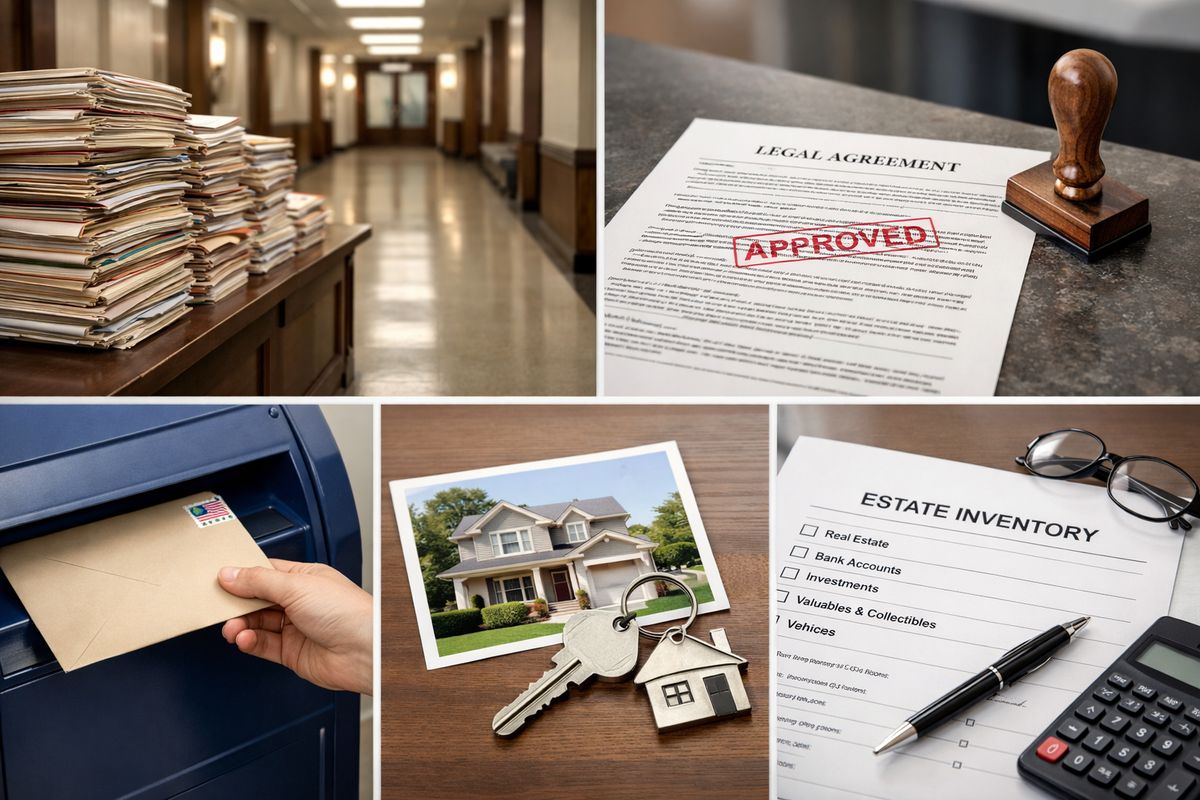
Probate takes time because it is not one step. It is a sequence of court filings, notice periods, valuations, payments, and approvals.
Filing the case and opening probate
Probate starts when paperwork is filed with the court and a personal representative, often called an executor, is officially appointed. Until that appointment happens, nobody has full authority to act for the estate. In busy Bay Area counties, even getting the first hearing date can take a while.
Notifying heirs, beneficiaries, and creditors
Certain people must be formally notified, including heirs, named beneficiaries, and creditors. That waiting period is built into the process, so it cannot simply be skipped to save time.
Gathering assets and valuing the estate
Next comes the work of identifying what the estate actually owns. That can include bank accounts, investment accounts, personal items, and real estate. If the estate includes a Truckee cabin or a Lake Tahoe property, appraisals, title questions, or sale prep can slow things down. If you want to understand which property may still be pulled into court, start with what can still end up in probate.
Paying debts, taxes, and expenses
Before anyone inherits, valid debts and estate bills need to be paid. Final income tax returns may also need attention, along with appraisal fees, court costs, and other administration expenses.
Distributing property and closing the estate
Here’s the thing: beneficiaries usually do not receive assets right away. The estate is closed only after the court approves the final accounting and distribution.
What can make probate take longer
Some delays are routine. Others can turn a slow process into a very long one.
Court backlogs and scheduling delays
Court scheduling alone can add months. If the probate court calendar is crowded, your case moves at the court’s pace, not yours.
Real estate, business interests, or hard-to-find assets
A house sale, partial business ownership, or scattered financial accounts all create extra work. If planning ahead is the goal, it helps to know what belongs in a trust so fewer assets are left for probate.
Family disputes or unclear estate documents
Conflict is one of the fastest ways to extend probate. Arguments over a will, confusion about beneficiaries, or missing documents can drag a case out significantly. If no valid will exists, California inheritance rules may control who receives what.
Can probate be faster or avoided?
Sometimes, yes.
When probate may be simplified
Some smaller estates may qualify for simplified procedures under California law, depending on the type and value of the assets involved.
How a living trust can help
Assets properly titled in a living trust usually avoid probate. Think of a trust as a bypass lane, but only for assets actually placed into it. That last part matters, because an unfunded trust does not do much. It helps to understand why funding the trust matters.
What you can do next
A good place to start is simple: gather the will, trust documents, deeds, account statements, and a list of debts. Then make one plain asset list today. That small step helps you spot what may need probate and what may pass outside of it.
Ready to take the next step? Get in touch with Elaine Andrews at The Andrews Law Firm to discuss your needs, request a personalized quote, and explore the best options for your situation. Whether you need an estate plan, a living trust, or guidance through probate, Elaine can help you move forward with confidence.
Contact us today to schedule your consultation.
Frequently asked questions
Can probate finish in a few months in california?
Sometimes, but that is uncommon. Most full probate cases take much longer because of court scheduling, notice rules, and the work required to gather and value assets.
Why does probate take so long even when the estate seems simple?
Even simple estates must follow court procedures. Waiting periods, required notices, and court approval all add time.
Does having a will avoid probate?
No. A will guides who should receive property, but property may still need to pass through probate before distribution. If you are comparing tools, it helps to see how a will and trust work differently.
Does real estate make probate slower?
Often, yes. Homes and other property can require appraisals, title review, and sometimes a sale before the estate can close.
Can a living trust help avoid probate delays?
Yes, if assets are properly transferred into the trust before death. For many homeowners, that is the main reason trusts are used in California.