
California Estate Law
California Estate Planning Documents: What You Really Need
Estate planning documents California: protect your home, family, and future with the right plan.
Estate planning documents California families need are usually simpler than people expect. You are not building a giant legal fortress. You are putting the right instructions in place so the right person can act if something goes wrong, whether that means a medical emergency on I-80 near Truckee or handling property after a death in the Bay Area.
What “estate planning documents” actually means in california
Estate planning documents are the legal papers that say who gets your assets, who can make decisions for you, and what happens if you become incapacitated or die. Think of them like a toolbox. Each document has one job, and problems start when you expect one tool to do everything.
In California, that usually means planning for two separate situations: incapacity during life and transfer after death. Those are different problems, so they need different documents.
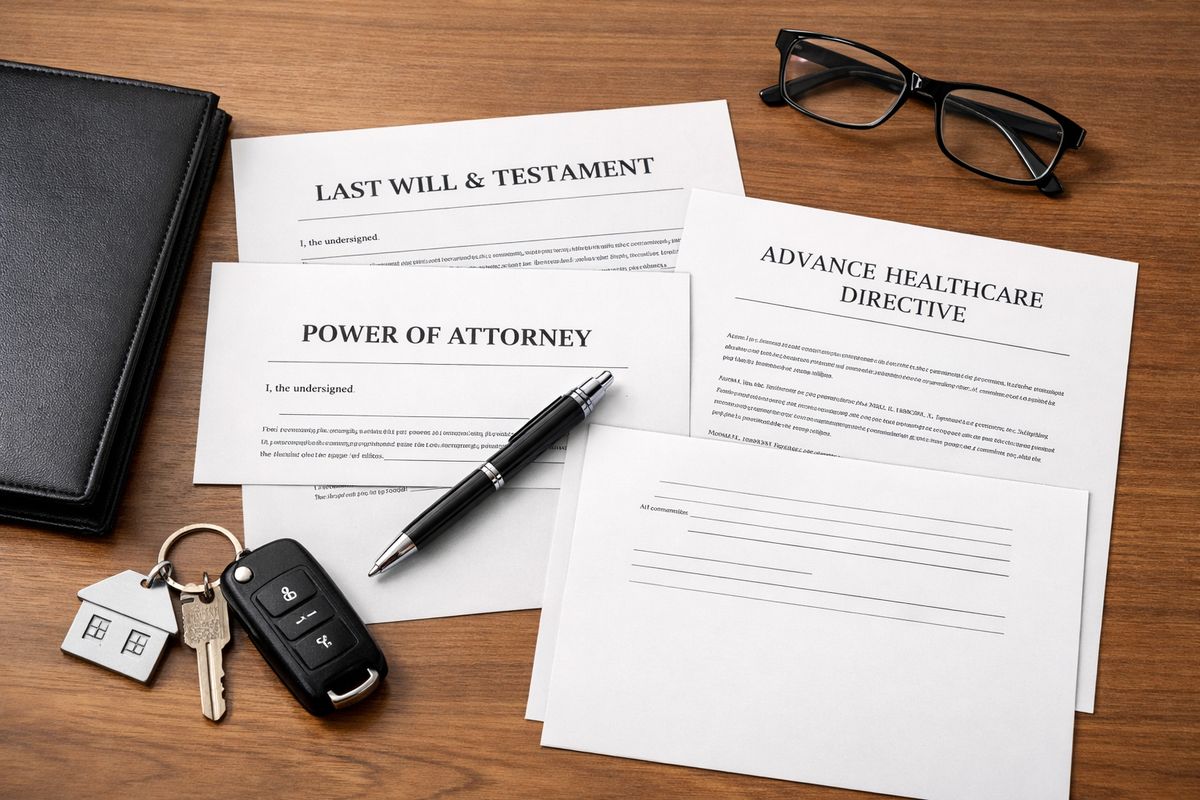
The core documents most california families actually need
Most solid plans rely on a small set of documents, not a shelf full of binders. And here’s the thing: a will alone is often not enough in California.
Last will and testament
A will says who should receive your property, who should serve as executor, and who should care for minor children. If you have kids, naming a guardian here matters a lot.
The catch is that a will usually does not avoid probate. If assets stay in your individual name, your family may still end up in court. If you want a clearer picture of that tradeoff, it helps to see how a will and trust differ in real life.
Revocable living trust
A revocable living trust is a legal container that holds assets during your life and passes them after death under the terms you set. You stay in control while you are alive, and you can usually change it.
This is popular in California because it can help your family avoid probate and keep things more private. If you are sorting out whether a trust makes sense for your situation, this is often where the answer starts.
Durable power of attorney
A durable power of attorney lets somebody handle financial and legal matters if you cannot. That can include paying bills, managing your house, dealing with taxes, or keeping a business running.
Without it, your family may need court involvement just to manage basic tasks. That is a heavy burden during an already stressful time.
Advance health care directive
An advance health care directive names the person who can make medical decisions for you if you cannot speak for yourself. It can also spell out your wishes about treatment and care.
This document is about clarity. In a crisis, clarity is a gift.
What each document does and does not do
These documents work together, but they are not interchangeable. A hammer is great, but not for tightening a screw.
A will does not replace a trust
A will directs assets after death, but it does not keep assets out of probate if those assets pass through your name alone. That is why many California homeowners use both.
A trust does not work unless you fund it
Funding means moving assets into the trust or matching titles and beneficiary designations correctly. That can include your house, bank accounts, or a rental cabin near Lake Tahoe.
A signed trust with nothing in it is like labeling an empty box and calling it packed. If you want a plain-English breakdown of what actually needs to go into the trust, funding is the step that makes the plan real.
Powers of attorney stop at death
A financial agent or health care agent can help during incapacity, but that authority ends at death. After that, the executor under your will or the trustee of your trust takes over.
Which documents you may need based on your situation
Your plan should match your life, not a generic checklist.
If you own a home
California real estate often pushes families toward a trust because property can trigger probate delays and expense. If your home is one of your biggest assets, this matters more than most people realize.
If you have minor children
You need a will to name guardians. You also need a plan for money management so assets are handled responsibly instead of creating confusion and court involvement.
If you are retired or planning for incapacity
Incapacity planning deserves equal attention. A durable power of attorney and health care directive often matter before a will ever does.
If you own a business
Business interests need to coordinate with your estate plan. Ownership documents, succession instructions, and trust terms should point in the same direction, not compete with each other. For many families, seeing how these documents work together clears up the confusion fast.
Common mistakes that cause trouble later
Most estate plan problems come from gaps, not bad intentions.
Only creating a will
Many California families stop after signing a will and assume the job is done. It often is not. That can leave loved ones facing probate anyway.
Forgetting to update beneficiary designations
Retirement accounts and life insurance usually pass by beneficiary form, not by will or trust. An old name on a form can override the rest of your plan.
Signing documents but never reviewing them again
Marriage, divorce, births, deaths, a move, buying property, or major financial changes should trigger a review. Even a strong plan needs updates. If your life has changed, it helps to know how to revise a trust that no longer fits.
A simple way to get started
Start by listing what you own, who should step in if you cannot, and whether your current documents still fit your life. Then pull out any old will or trust and read the names, dates, and asset details. That one small step catches more problems than you would think.
Ready to take the next step? Get in touch with Elaine Andrews at The Andrews Law Firm to discuss your needs, request a personalized quote, and explore the best options for your situation. Whether you need an estate plan, a living trust, or guidance through probate, Elaine can help you move forward with confidence.
Contact us today to schedule your consultation.
Frequently asked questions
Do you need both a will and a living trust in california?
Often, yes. A trust can help avoid probate for assets titled into it, while a will can name guardians for minor children and catch anything left outside the trust.
What happens if you die without estate planning documents in california?
California intestacy laws decide who inherits, and the court process can become more complicated. You also lose the chance to choose decision-makers yourself.
Does a living trust cover incapacity?
Not by itself. A trust helps with assets in the trust, but you still usually need a durable power of attorney and an advance health care directive for full incapacity planning.
How often should you review your estate plan?
Review it after major life changes and every few years even if nothing obvious has changed. Outdated names, addresses, and beneficiary choices cause a lot of avoidable trouble.
What if your trust was signed but never funded?
Then many assets may still pass through probate. That is why funding matters so much. A trust only controls the assets that are actually connected to it.