
California Estate Law
Will vs. Trust in California: Which One Fits Your Plan?
Will vs trust California: protect your home, loved ones, and future with the right plan.
Will vs trust California is really a question about how much mess you want to leave behind. If you want your home, money, and personal wishes handled clearly, the difference matters a lot, especially in places like Truckee, Lake Tahoe, and the Bay Area where property values can change the whole planning picture.
Will vs. trust in california: What’s the difference?
A will is a legal document that says who gets your property after death, who handles your estate, and who cares for minor children. A living trust is a legal arrangement that holds assets during your lifetime and passes them on after death, usually without probate.
Here’s the big takeaway: in California, a trust often does more than a will. But that does not make a will useless. In many plans, the will and trust work together, with each doing a different job.
How a will works in california
A will only takes effect after your death. Until then, it does not help manage your assets or step in if you become incapacitated. After death, a will usually goes through probate, which means the court supervises the process of gathering assets, paying debts, and distributing what is left.
What a will can do
A will can name beneficiaries, choose an executor, name guardians for minor children, and leave instructions for personal items. If your plan is simple, a will can be a reasonable starting point. It gives your family a written roadmap instead of forcing everything through California’s default inheritance rules.
That matters more than people think. If you die without one, state law decides who inherits, and the result may not match what you wanted. If you want a closer look at when a simple plan may work, a straightforward will can sometimes be enough.
The catch: probate in california
Probate is where wills get expensive, slow, and public. The court process can take many months, sometimes longer, and filings become part of the public record. If your estate includes a home, that alone can push the value high enough to make probate a real issue.
In California, this catches a lot of families off guard. A modest house bought years ago in Walnut Creek or a cabin near Donner Lake may now be worth far more than expected. If you want a sense of timing, the real-world probate timeline can be longer than most families expect.
How a living trust works in california
A revocable living trust is a legal container for your assets. You create it during your lifetime, transfer property into it, and keep control of it while you are alive and capable. After death, the person you named to step in can manage and distribute those assets without the full probate process, as long as the trust actually owns them.
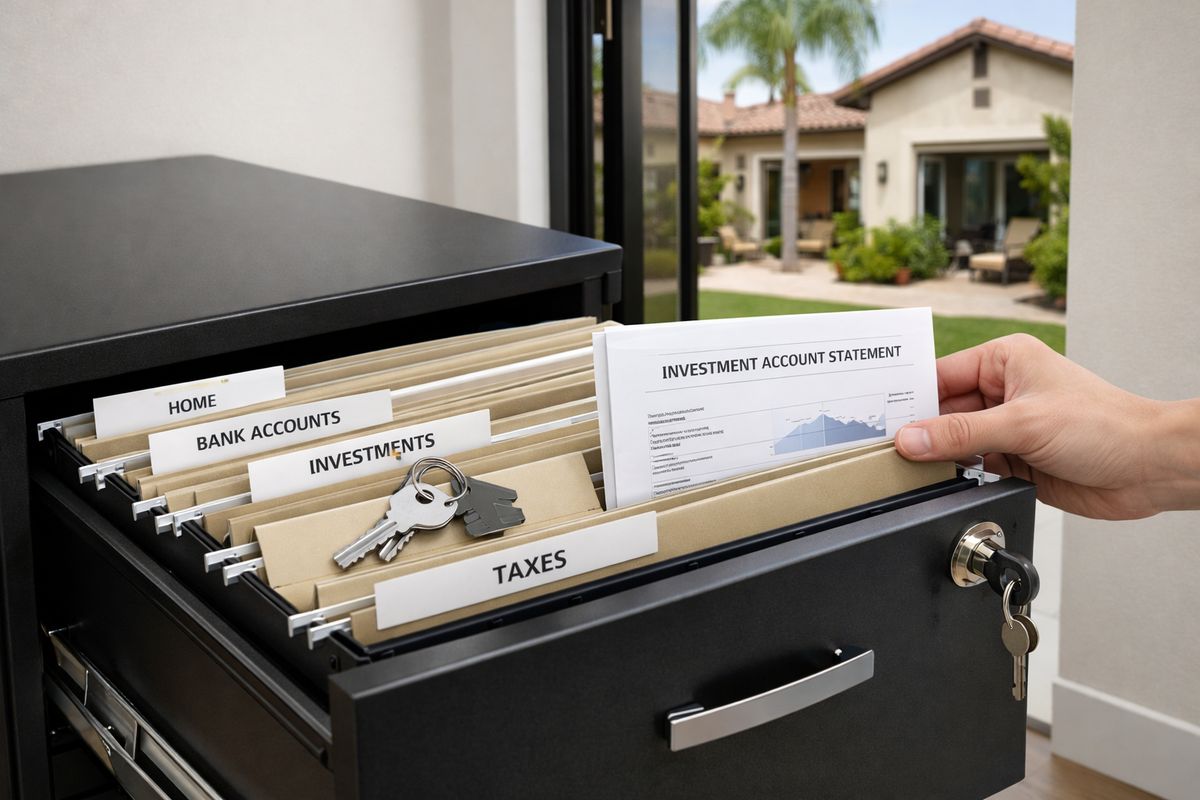
Think of it like putting valuables into a labeled, locked cabinet instead of leaving everything in separate drawers. The cabinet is not magic. It just keeps things organized and easier to hand over.
What a trust can do
A trust can help your estate avoid probate, keep your affairs private, and make it easier to manage property during incapacity and after death. It can hold a house, bank accounts, investment accounts, and business interests. It can also set rules, such as delaying a child’s inheritance until a certain age instead of handing over everything at 18.
For many California homeowners, that is the real advantage. If avoiding probate is high on your list, this explains how a living trust can keep property out of court.
Why funding the trust matters
Funding means transferring assets into the trust’s name. That may include retitling a house, updating certain accounts, or changing ownership records so the trust actually holds what it is supposed to control.
An unfunded trust is like a safe with the door open. It looks good on paper but may fail when your family needs it. A Tahoe cabin or Bay Area rental property does not avoid probate just because a trust exists. It has to be properly transferred. If that step feels fuzzy, this guide on moving assets into the trust the right way clears it up.
Will vs. trust in california: the biggest differences
Most people comparing the two want the practical version, not legal theory. Fair enough.
Probate, privacy, and speed
A will usually leads to probate. A trust usually avoids it for assets titled in the trust. That means a trust often keeps administration faster, more private, and less tied up in court filings.
A will becomes part of the public record. A trust generally does not. If privacy matters to you, or if you want your family to deal with fewer court steps, that difference is hard to ignore.
Incapacity planning
A will does nothing while you are alive. If you become unable to handle finances, your will just sits there. A trust, by contrast, can let a successor trustee step in and manage bills, property, or investments without waiting for a court process.
That can be a huge relief. Incapacity planning is not dramatic until it suddenly is.
Cost and upkeep
A will usually costs less upfront. A trust usually costs more to create because it involves more documents and more follow-through. But in California, the upfront savings from a will can disappear quickly if your estate later goes through probate.
The catch is maintenance. A trust only works well if you keep it funded and update it after major life changes. If you are weighing price against long-term value, a breakdown of what estate planning actually costs in California helps frame the decision.
Which one fits your plan?
This is where your actual life matters more than abstract rules.
A will may fit if your plan is simple
A will may be enough if you have limited assets, no real estate, simple wishes about who gets what, or if you need a temporary first step while building a fuller plan. It is still far better than having no plan at all.
But California real estate changes the math fast. Even one home can make probate a much bigger issue than expected.
A trust often fits if you own real estate or want more control
A trust is often the better fit if you own a home, want to avoid probate, care about privacy, have children, own property in more than one state, or want to control when beneficiaries receive money. If you own a family home in Walnut Creek or a cabin near Donner Lake, a trust usually deserves serious attention.
Why many california plans use both
This is not always an either-or choice. Many California estate plans use a living trust plus a pour-over will, which is a backup will that directs stray assets into the trust after death. That setup is often paired with powers of attorney and health care documents, because each document handles a different job. If you want the bigger picture, this explains why many plans include both documents.
Common misunderstandings about wills and trusts
“A trust replaces every other estate planning document”
It does not. A trust does not replace a will, a financial power of attorney, or an advance health care directive. You need different tools for different problems.
“Only wealthy people need a trust”
Not in California. Ordinary homeowners often benefit from a trust because real estate values alone can make probate worth avoiding.
“Once you sign it, You’re done”
Estate planning is never fully set-and-forget. Marriage, divorce, a new child, retirement, or buying and selling property can all change what your plan needs to do.
The best next step if You’re deciding between a will and a trust
The right choice comes down to what you own, who you need to protect, and how much simplicity you want later. Try one useful step now: make a quick list of your assets, your key people, and what you want to happen if you become incapacitated or die.
Ready to take the next step? Get in touch with Elaine Andrews at The Andrews Law Firm to discuss your needs, request a personalized quote, and explore the best options for your situation. Whether you need an estate plan, a living trust, or guidance through probate, Elaine can help you move forward with confidence.
Contact us today to schedule your consultation.
Frequently asked questions
Is a trust better than a will in california?
Often, yes, especially if you own real estate and want to avoid probate. But “better” depends on your assets, your family situation, and whether you want incapacity planning built in.
Do you still need a will if you have a living trust?
Usually yes. A pour-over will acts as a backup for assets left outside the trust and can also handle guardian nominations for minor children.
Does a will avoid probate in california?
No. A will usually goes through probate. It gives instructions to the court, but it does not avoid the court process by itself.
Can a living trust protect you during incapacity?
Yes. If you become unable to manage your affairs, a successor trustee can step in and manage trust assets without waiting for probate after death or a separate court process during life.
What happens if your trust is never funded?
Assets left outside the trust may still go through probate. That is why transferring property into the trust is just as important as signing the document itself.