

Clarify housing goals
Separate occupancy, control, and eventual ownership.
Tahoe Vista · CA · Estate Planning
A North Shore home can sit at the center of a blended family’s plans. Make the inheritance and decision-making instructions clear before relatives have to interpret them after a crisis.
California legal services · Office in Truckee, California
A spouse may need a place to live while children from an earlier relationship expect an inheritance. Those goals deserve careful coordination, not a vague statement that everyone will be taken care of. The Andrews Law Firm can help review California estate documents, ownership, and the decisions a blended family needs to make explicitly.
California legal guidance tailored to your needs
Separate occupancy, control, and eventual ownership.
Review assets that pass outside the trust.
Consider the relationships each fiduciary must navigate.
Obtain the deed and identify how the home is held. Marriage, prior ownership, trusts, and later transactions can raise different questions about the interest available to direct through a plan. Do not assume that every family member has the same understanding of who owns what. Bring prior agreements and estate documents for review. A title summary is not a substitute for examining the records that created the current ownership. Once the interest is understood, the planning discussion can address how it should be managed and who should eventually receive it.

If the plan contemplates continued housing for a spouse, ask what happens if that person later moves, needs care elsewhere, or wants the property sold. Consider expenses, management authority, and the effect on eventual beneficiaries. A broad promise of lifetime comfort may not explain how those events should be handled. Discuss the intended flexibility and limits while the trust makers can clarify their wishes. The review should use the family’s actual resources rather than assume another asset will provide cash. These decisions can help the documents support both present housing goals and the inheritance expected by children without asking a successor to invent missing instructions.
A plan may need to consider a surviving spouse’s housing needs alongside the intended inheritance for children. Explain what outcome you want and what flexibility the survivor should have. Questions about expenses, repairs, a move, or a proposed sale can matter as much as naming recipients. A trust arrangement should be reviewed for its terms and practical consequences. Avoid relying on a verbal promise that one family member will later pass the property to another; the legal documents and ownership structure need to support the intended result.
The person responsible for assets may need to communicate with a spouse, adult children, and other relatives who see the home differently. Consider judgment, availability, and the ability to administer the instructions impartially. A successor trustee and an agent under a durable power of attorney may have different responsibilities. Include backups and coordinate an advance health care directive for medical decisions. Being closest to the homeowner or most vocal in the family does not automatically make someone the practical choice for every role.
If the surviving spouse can remain in the home, identify how ongoing costs would be met. If children are to receive other assets, confirm that ownership and beneficiary designations match that intention. A retirement account designation or jointly held asset may follow a different transfer route from the trust. Review the entire picture rather than treating the home clause as a complete estate plan. Trust funding, a pour-over will, and later reviews after marriage, divorce, a purchase, or a death help keep the documents aligned with actual circumstances.
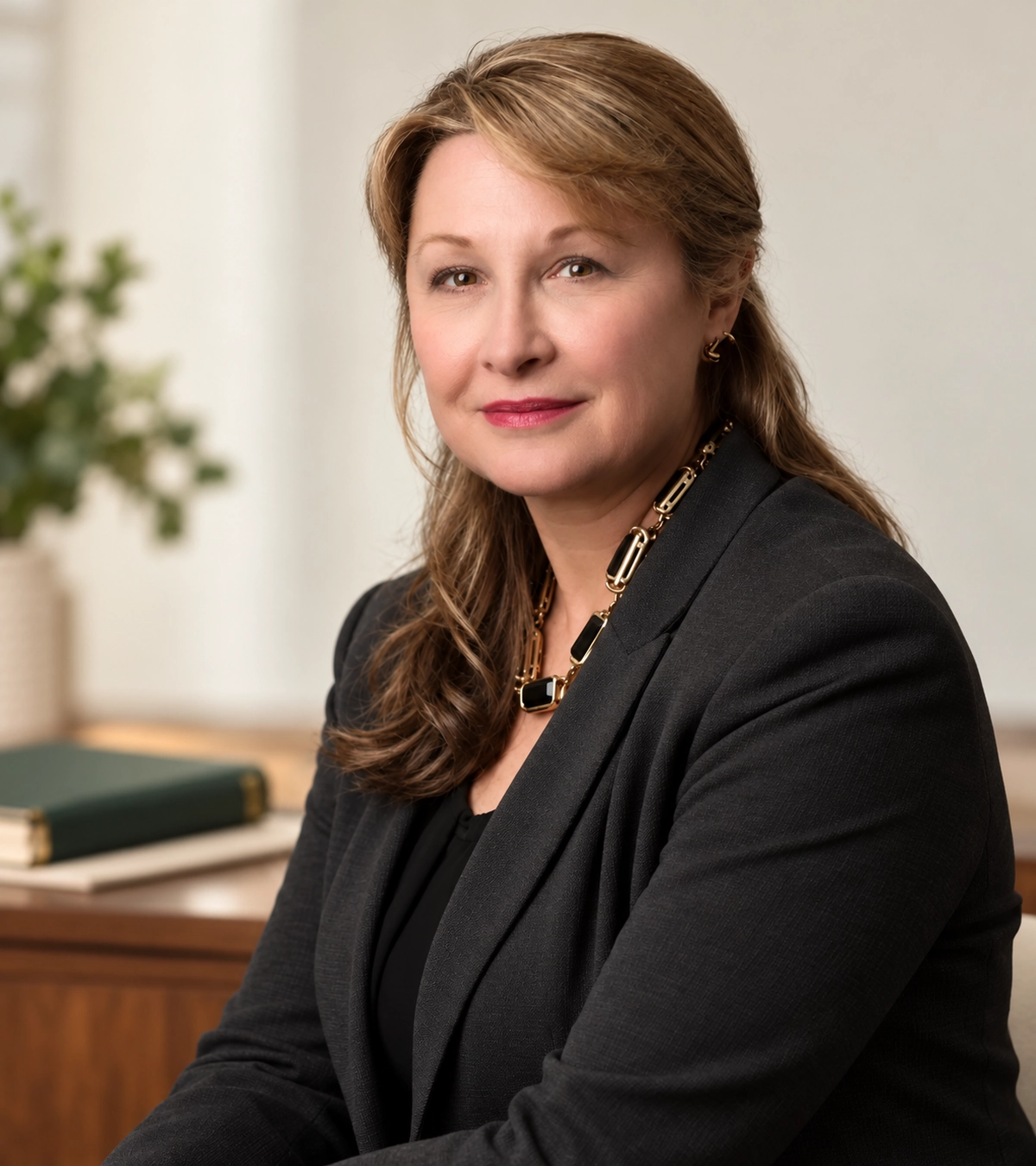 California estate planning counsel
Meet your attorney · The Andrews Law Firm, P.C.
Clear instructions can help relatives understand the different interests the plan is intended to address.
Elaine Andrews reviews California estate-planning matters from the Truckee office. Explain the family relationships without assuming the documents already account for them.
Bring prior marriage-related agreements and earlier plans for review.
Talk with ElainePrepare the decisions that need attention
The North Shore home is in Placer County; ownership and family structure should guide the planning discussion.
Gather the deed, trusts, wills, beneficiary records, and a list of proposed decision makers.
Identify the decisions about housing, expenses, and future ownership that remain unresolved.
Discuss your estate planCall (530) 550-8736 to talk about your California legal needs.
Planning documents
Instructions for assets properly held by the trustee.
Addresses omitted assets; probate may still be required.
Authority for financial matters within its scope.
Medical wishes and a chosen health care decision maker.
California rules that apply in Placer County
The relevant county is Placer County. Confirm the procedure that fits the documents and assets.
Read the full estate planning guideIdentify the property and applicable venue.
Later amendments and ownership changes may matter.
Separate occupancy, control, and eventual ownership.
This testimonial or endorsement does not constitute a guarantee, warranty, or prediction regarding the outcome of your legal matter.
Frequently asked questions
Our Truckee office
10270 Donner Pass Road
Truckee, CA 96161
Contact the Truckee office about consultation arrangements and whether the firm can assist with your matter.
Request a consultationBring your questions, your documents and the decisions you want help with. The first consultation is free.
This page provides general information, not legal advice. Contacting us does not create an attorney-client relationship.


