California Estate Law
Is a Living Trust Worth It for California Homeowners?
Is a living trust worth it in California? Save probate time and protect your home.
If you own a home in California, the question is not really whether a living trust sounds smart. The real question is whether a living trust worth it for your house, your family, and the hassle you want to save later. For a lot of homeowners, especially in places like Truckee, Lake Tahoe, and the Bay Area where home values can get high fast, the answer is yes, but only if you understand what a trust actually does and follow through on the setup.
What a living trust actually does for a california homeowner
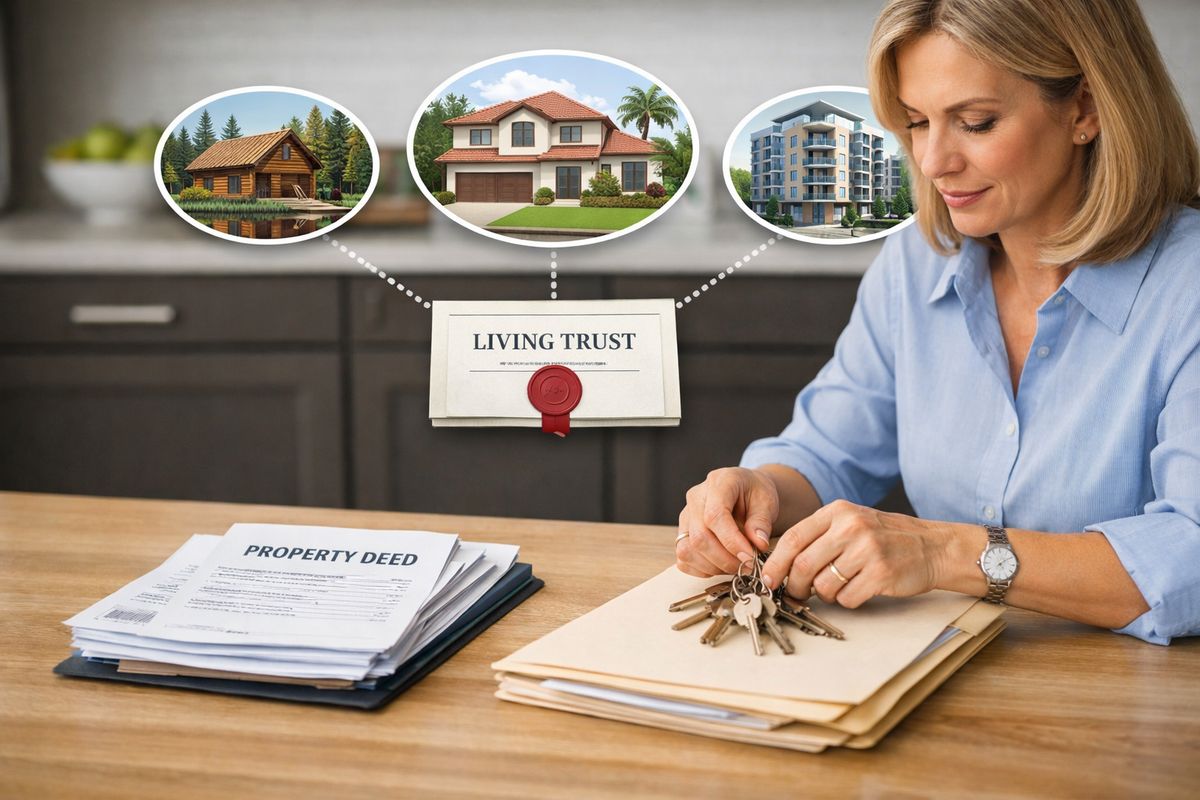
A living trust is a legal document that holds property during your lifetime and gives instructions for what happens if you become unable to manage things or after you die. In plain English, it is a container for your assets, especially real estate, with rules attached.
That matters more than it sounds. If your house in Truckee, your condo in San Francisco, or your family cabin near Lake Tahoe sits in your trust, the person you name to step in can usually handle that property without sending your family through a full probate case. That is the practical payoff people care about.
Here’s the thing: a trust is not automatically “better” than a will in every situation. A living trust is worth it when the benefits, avoiding probate, adding privacy, making incapacity planning smoother, and giving clearer instructions, outweigh the extra cost and paperwork.
Revocable vs. irrevocable trusts in real-life terms
Most homeowners asking this question mean a revocable living trust. That is the flexible version. You can usually change it, amend it, add or remove property, or revoke it altogether while you are alive and competent.
An irrevocable trust is different. Once it is set up and funded, changing it is much harder. That kind of trust is usually used for narrower goals like tax planning, asset protection, or special gifting strategies. Useful in the right situation, yes, but not the standard fit for someone trying to decide what to do with a primary home and a basic estate plan.
So for this guide, “living trust” means the revocable kind that most California homeowners use.
Why so many california homeowners even ask this question
A trust costs more than a simple will. It also asks more of you. Documents have to be signed properly, assets have to be retitled, and updates have to happen when life changes. So it makes sense to ask what you get for the extra effort.
California gives that question more weight than a lot of other states. Home values are high, even for people who bought decades ago. A modest home that seemed ordinary when you bought it can now be one of the biggest assets in your estate. Add a second home, a rental, a blended family, or adult kids living in different places, and a basic will can start to look thin.
That is why so many people end up comparing a trust not against “doing nothing,” but against the stress, delay, and court involvement their family could face later.
California probate is often the tipping point
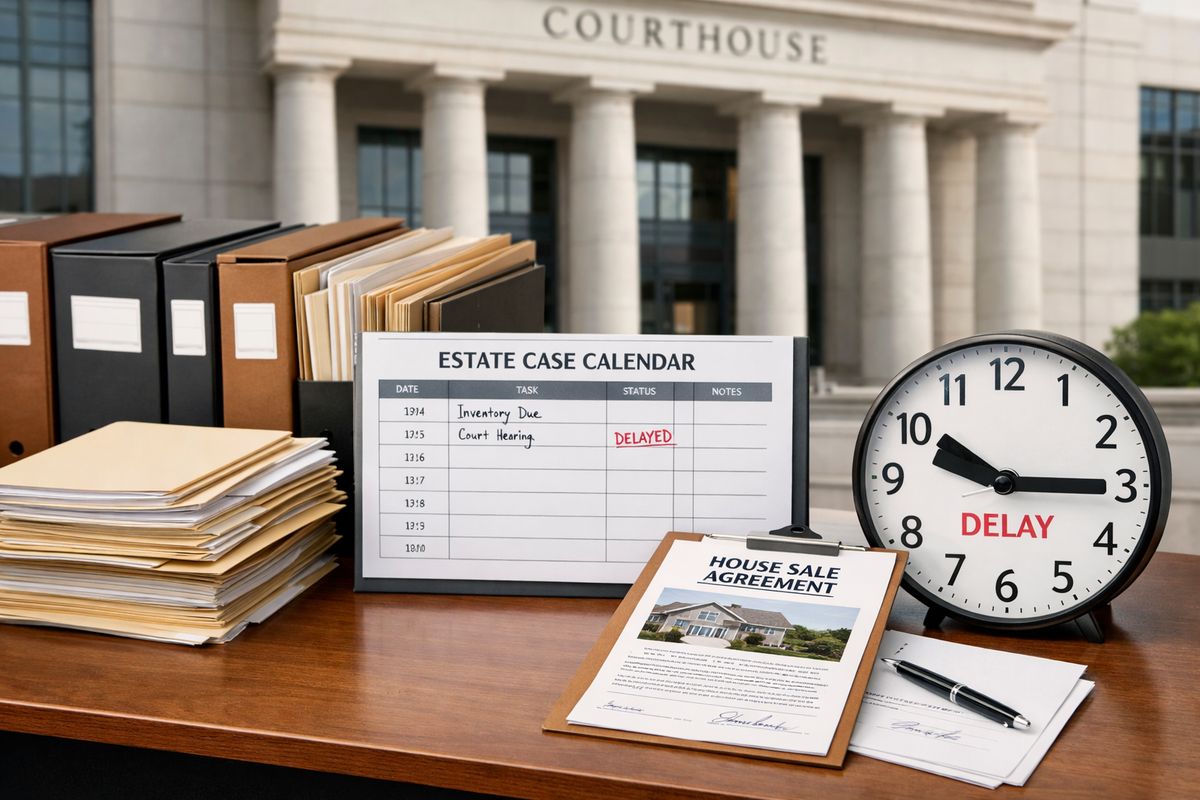
Probate is the court process used to transfer assets after death when those assets do not pass another way. In California, probate has a reputation for a reason. It can take a long time, it becomes part of the public record, and the cost can be painful enough that many families decide the planning is worth doing upfront.
If you want a clearer picture of timing, it helps to understand the real timeline families often face in probate. For many homeowners, that alone answers the “worth it” question. If one document package now can help loved ones avoid months of court process later, that is a pretty strong trade.
The biggest benefits of a living trust
The best reasons to create a living trust are practical, not flashy. You are buying simplicity for later, privacy where it matters, and a backup plan if life goes sideways.
A trust can help keep your home out of probate, keep family finances less exposed, give someone authority to step in if you cannot manage things yourself, and spell out how inheritances should work if a simple outright handoff is not the right fit.
Avoiding probate on your home
For many California homeowners, this is the main event. If your house is properly transferred into your trust, your successor trustee can usually manage, sell, or distribute the property without opening a full probate estate for that asset.
That can mean less delay, less court involvement, and less administrative drag at exactly the moment your family has enough on its plate already. If you want more detail on how this works, a closer look at how a trust can keep property out of probate makes the benefit easier to picture.
The catch is simple: this only works if the trust is funded correctly. More on that in a minute.
Keeping family matters more private
Probate is public. Trust administration is generally much more private.
That does not mean secrecy for the sake of drama. It usually means something much more ordinary. You may not want property values, account details, or who gets what sitting in easily accessible court records. A trust helps keep that information more contained.
For families with rental property, business interests, or sensitive relationships, that privacy can be a real advantage. Quiet administration is often easier administration.
Planning for incapacity before there is a crisis
A trust is not just a death document. It can also help if you are alive but unable to handle your own financial affairs because of illness, injury, or cognitive decline.
If your trust names a successor trustee, that person can step in and manage trust assets according to the rules you set. That can be much smoother than forcing loved ones into court to seek authority during a crisis. Nobody wants their family trying to sort out bills, property taxes, and insurance while also dealing with a medical emergency.
Think of it like keeping a spare key where the right person can reach it. You hope it never matters. But if it does, it matters immediately.
More control over when and how loved ones inherit
A trust can do more than hand assets over in one lump. It can let you set guardrails.
That matters if you have minor children, young adults who are still finding their footing, a blended family, a loved one with special needs, or concerns that an inheritance could be spent too fast. You can leave property in trust until a certain age, stagger distributions over time, or let someone live in a home for life before it passes to someone else later.
A will can do some of this. A trust often handles it with more continuity and less court oversight.
The downsides: when a living trust may not feel worth it
A trust is useful, but it is not magic. It does not solve every legal or tax issue, and it does not help much if it never gets finished properly.
The main downsides are the upfront cost, the extra paperwork, and the need to keep the plan current over time.
Upfront cost compared with a basic will
A living trust usually costs more than a simple will because you are getting a broader planning package. The documents are more involved, and the strategy usually covers more situations.
That higher price can still be a bargain if it saves your family from a costly probate later. But you should think about value honestly. If you are comparing options, it helps to see what trust planning often costs in California so you are looking at the real trade instead of guessing.
The point is not to buy the fanciest documents. The point is to pay for the right amount of planning.
The trust only works if you fund it
Funding a trust means moving assets into it, or coordinating them with it the right way. For real estate, that usually means recording a new deed into the name of the trust. For some accounts, it may mean retitling ownership. For others, it may mean updating beneficiary designations instead.
Here is the direct truth: an unfunded trust is like buying a safe and leaving the door open. You paid for the tool, but the thing you wanted protected never made it inside.
That is why homeowners should pay close attention to what goes wrong when assets never make it into the plan. The paperwork after signing matters just as much as the signing itself.
Ongoing updates and extra paperwork
A trust is not a one-time life event. It should be updated after major changes like marriage, divorce, births, deaths, buying or selling property, refinancing, or meaningful shifts in finances.
That sounds annoying, but honestly, it is manageable. Think of it like updating insurance after buying a new car or fixing beneficiaries after opening a new account. Not fun, but normal. The bigger mistake is pretending the original documents will stay perfect forever.
When a living trust is usually worth it
This is where the buyer’s guide part becomes useful. Certain situations make the value of a trust much easier to see.
You own a home in california
Owning California real estate often puts a trust on the table by itself. Property values are simply too high in many parts of the state to ignore probate exposure.
Even if your home did not seem expensive when you bought it, the value today may tell a different story. That is especially true in Northern California, where a long-held family home can quietly become the biggest piece of your estate.
You want to make things easier for kids or other loved ones
A trust can reduce court steps, delays, and confusion. It can also leave clearer instructions about who is in charge and what should happen next.
That matters because the practical burden after a death is not small. There are bills to pay, houses to secure, paperwork to gather, and decisions to make. Giving loved ones a cleaner path is one of the strongest reasons to set up a trust.
You have a blended family, second home, or business interest
More complexity usually means more value from a trust. If your plan needs nuance, a trust gives you better tools.
Maybe you want a spouse to stay in a Tahoe property for life, with the home passing to children later. Maybe you own a rental in Sacramento and want someone to keep it running without interruption. Maybe you have an ownership interest in a closely held business and want that transfer coordinated carefully. These are not edge cases. They are exactly the situations where simple planning starts to strain.
You want a plan for incapacity, not just death
A lot of people think estate planning is about what happens after death. But for many retirees and aging homeowners, the stronger motivation is what happens if you are alive and unable to manage things.
A trust can give continuity during that period. Instead of freezing up because nobody has authority over trust assets, your named successor trustee can step in under the terms you already approved. That can save time, conflict, and hard courtroom decisions later.
When a living trust may not be worth it
Not every estate needs a trust right away. Sometimes the answer is no, or at least not yet.
That does not make a trust bad. It just means the cost-benefit math is different.
Your estate is simple and your assets already transfer easily
If most of your assets already pass by beneficiary designation or joint ownership, and you do not own real estate with meaningful probate exposure, a trust may not be the first thing to fix.
That is where a closer look at when a will may be enough in California can help. A simple estate with easy transfers may still need planning, but not always the full trust package.
You are not likely to follow through on funding and updates
This is blunt, but useful: if signed documents will sit in a drawer and no deed will ever get recorded, the trust may not deliver the value you paid for.
A trust rewards follow-through. Without that, the plan can fail at the exact point it was supposed to help. If you are not ready to maintain it, a simpler plan that actually gets implemented may serve you better for now.
Living trust vs. will: which one solves the problem you actually have?
A will and a living trust are not enemies. In a good estate plan, they often work together. The difference is that they solve different problems.
A will says who should receive property and can nominate guardians for minor children. A trust is more about how property is held, managed, and transferred with less court involvement. If you want a broader side-by-side explanation, it helps to look at which tool fits which problem.
What a will can do that a trust cannot
A will can name guardians for minor children. That is a big one. If you have young kids, you still need a will for that purpose even if you also have a trust.
A will also works as a backup through a pour-over provision, which means assets left outside your trust can be directed into it after death. That does not necessarily avoid probate for those assets, but it helps coordinate the overall plan.
What a trust can do that a will cannot do as well
A trust can avoid probate for properly funded assets. A will generally does not. A trust also offers more privacy because it does not usually require the same public court filing process as probate.
And during incapacity, a trust can provide ongoing management of trust assets in a way a will simply cannot, because a will only takes effect after death. For a homeowner, that difference is not technical. It is practical.
What property should go into a living trust
A common mistake is assuming every asset should go into a trust, or the opposite, assuming only the house matters. The truth sits in the middle.
Some property belongs in the trust right away. Some should be coordinated more carefully. Some usually stay outside the trust but still need to match the overall plan.
Your home, rental property, and vacation property
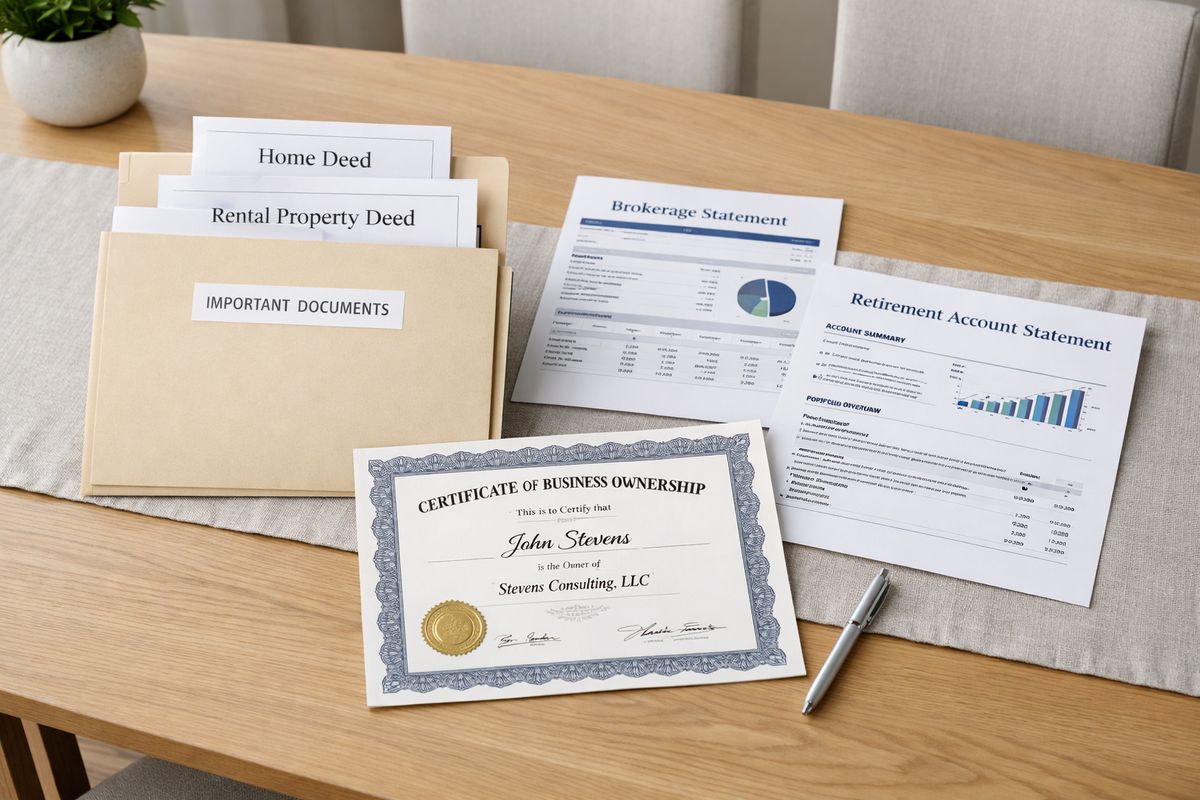
Real estate is usually the highest priority. If your goal is to avoid probate, your home and other real property are often the first assets to fund into the trust.
That usually means preparing and recording a deed transferring ownership to the trust. If you want a more detailed walkthrough, the process of moving a house into a California trust is worth understanding before anything gets signed.
Bank accounts, investments, and business interests
Many non-retirement bank and brokerage accounts can often be retitled into the trust. Business interests can sometimes go in too, but that depends on the type of entity and any governing agreements already in place.
This is one reason cookie-cutter planning falls short. A rental property, an LLC interest, and a personal checking account do not all move the same way.
Assets that may not belong in the trust
Retirement accounts often require more caution. The same goes for certain life insurance arrangements, HSAs, and other assets with tax-sensitive rules or beneficiary structures.
That does not mean you ignore them. It means you coordinate beneficiary designations instead of blindly retitling everything. A trust is part of the plan, not the whole plan by itself.
Common mistakes that make a living trust less useful
Most trust problems are not about bad intentions. They are about unfinished details.
Creating the trust but never transferring the house
This is the classic failure point. If your home never gets deeded into the trust, the biggest probate-avoidance benefit may disappear for that property.
People are often surprised by how often this happens. The documents get signed, everyone feels relieved, and the deed never gets recorded. That is why this step deserves real attention.
Forgetting to update the plan after life changes
Marriage, divorce, a new grandchild, the death of a trustee, a home purchase, or a move across counties can all affect how well your plan works.
Your estate plan should keep up with your life the same way your insurance and mortgage records do. If ten years have passed and several big things have changed, your trust probably needs a review too.
Assuming the trust covers every estate planning need
A trust is strongest when paired with the right supporting documents. That usually includes a pour-over will, which catches assets left outside the trust, a durable power of attorney, which lets someone handle financial matters outside the trust if needed, and an advance healthcare directive, which gives instructions and decision-making authority for medical care.
Without those pieces, the plan can have gaps. A trust is powerful, but it is not a complete substitute for the rest of your estate planning file.
Cost, value, and the real “worth it” calculation
People often fixate on the upfront price because it is the easiest number to see. But that is not the full calculation.
The better question is what kind of cost, delay, loss of privacy, and family stress you are trying to avoid.
What you are really paying for
You are not just paying for a stack of documents. You are paying for customized instructions, cleaner property transfer, a built-in incapacity structure, and less court involvement later.
For a California homeowner, especially one with real estate in a higher-value market, that can be a very sensible trade. In many cases, the value is not theoretical. It shows up when loved ones can handle a house, pay bills, or carry out your wishes without waiting on probate paperwork.
How to decide if the payoff is worth it for you
Use a simple filter. Look at what you own. Look at who depends on you. Look at how much complexity exists in your family or finances. Then ask how strongly you want to avoid probate, delays, and public filings.
Here is the confident answer: for many California homeowners with real estate, a properly funded living trust is worth it. Not because trusts are trendy, but because California real estate makes probate risk hard to ignore, and because incapacity planning matters more than most people expect.
A simple checklist to help you decide
Sometimes the fastest way to make this decision is to stop thinking in legal terms and start looking for fit.
A living trust is probably worth it if…
A living trust is usually a strong fit if several of these sound like you:
- You own California real estate
- You want to avoid probate
- You want more privacy
- You want a plan for incapacity
- You have minor children
- You have a blended family
- You own multiple properties
- You want clearer control over inheritances
If that sounds familiar, a trust is probably not overkill. It is probably the right tool.
A living trust may not be the first thing to fix if…
If you have a very simple estate, little probate exposure, no real estate, or no realistic plan to fund and maintain the trust, the answer may be no for now.
But do one thing before you put the topic off. Gather your deed, a basic asset list, and any existing will or trust documents. That small step makes the next decision much easier, and it often shows pretty quickly whether you are dealing with a simple plan or one that deserves more structure.
Frequently asked questions
Is a living trust worth it if you only own one house?
Often, yes. In California, one house can be enough to make a trust worthwhile because real estate values alone can create probate exposure. If that home is a major part of your estate, a trust may save your family time, cost, and stress later.
Does a living trust completely replace a will?
No. A trust and a will usually work together. You still want a will to name guardians for minor children and to act as a backup for assets that were never moved into the trust.
Can you put your house into a living trust after you already bought it?
Yes. That is very common. The usual method is preparing and recording a new deed that transfers the property into the trust.
Does a living trust protect your assets from lawsuits or nursing home costs?
Usually not, at least not a standard revocable living trust. A revocable trust is mainly about probate avoidance, management during incapacity, privacy, and distribution control. It is not a catch-all asset protection tool.
What happens if you sign a trust but never fund it?
The trust may fail to deliver the main benefits you expected, especially probate avoidance for assets left outside it. That is why funding is not a side task. It is part of the actual plan.
Is a living trust only for wealthy families?
No. In California, you do not need to be ultra-wealthy for a trust to make sense. Homeownership alone can be enough, especially when property values are high and you want to make things easier for loved ones.
Ready to take the next step? Get in touch with Elaine Andrews at The Andrews Law Firm to discuss your needs, request a personalized quote, and explore the best options for your situation. Whether you need an estate plan, a living trust, or guidance through probate, Elaine can help you move forward with confidence.
Contact us today to schedule your consultation.